 Global layout
 +86 769 2366 8529





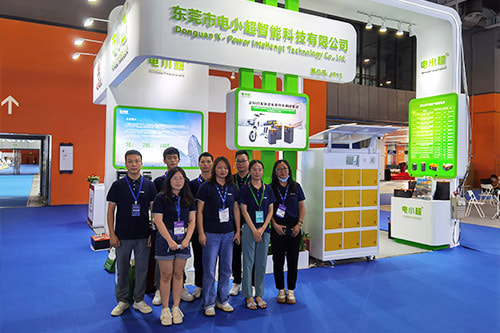
We are thrilled to announce that X-Power will be exhibiting at Autoexpo Kenya in Nairobi! As a dedicated manufacturer of high-performance Lithium Batteries, we are bringing our latest power solutions specifically tailored for Electric 2-Wheelers (E2W) and 3-Wheelers (E3W). Whether you are an OEM, a distributor, or an EV fleet operator looking for safe, durable, and cost-effective battery packs, we’d love to meet you. Let's discuss how we can drive the future of green transport in East Africa together! ?? ? Date: June 3-5, 2026 ? Venue: Carnivore Exhibition Grounds, Nairobi, Kenya. Will you be attending? Drop a comment below or send me a DM to schedule a meeting! ? #AutoexpoKenya #EMobility #LithiumBattery #EVBattery #ElectricVehicles #BodaBoda #TukTuk #GreenEnergy #KenyaBusiness
Be the first to receive our latest news, how-to user guides,
and exclusive deals! Subscribe now.

 Headquarter Address:10F, Building 25, N0. 179 Fengguan, Dongshen Road, Dongguan, Guangdong
 Factory Address:Building 3, Area D, Shengyang Science and Technology Industrial Park, East District of Suichuan County Industrial Park, Ji'an, Jiangxi
 Headquarter Telephone No.:+86 769 2366 8529
Factory Telephone No.:+86 796 6111618
 Contact Person:Kevin Chen
 Email Address:chen@xpower-world.com













 Company News
 Exhibition
  Industry New


