Global layout
 +86 769 2366 8529



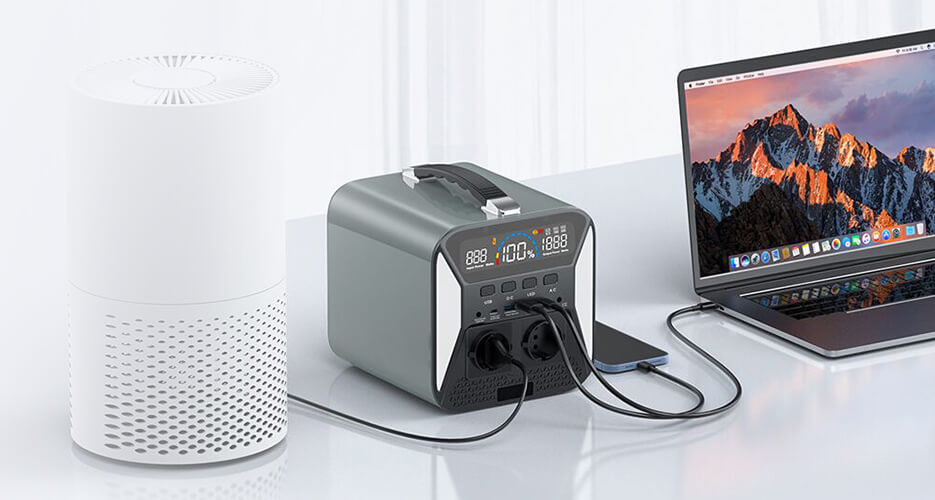
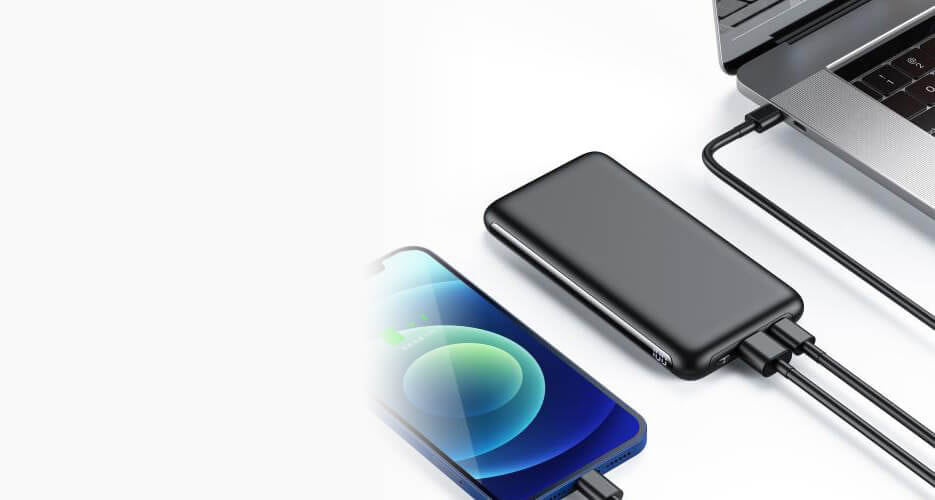
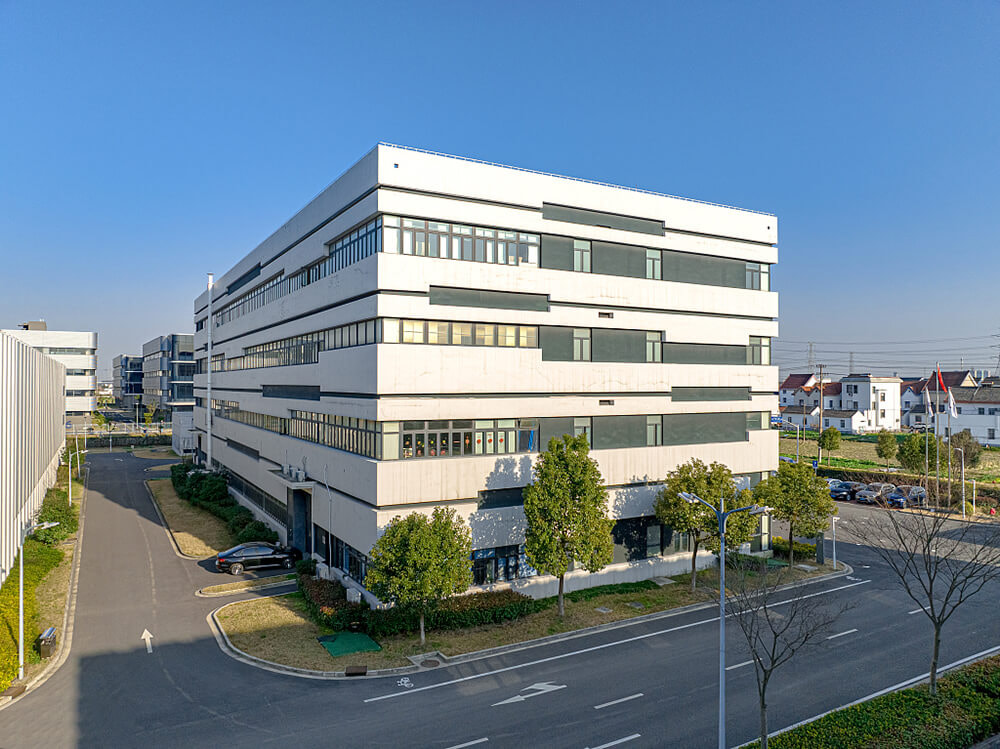
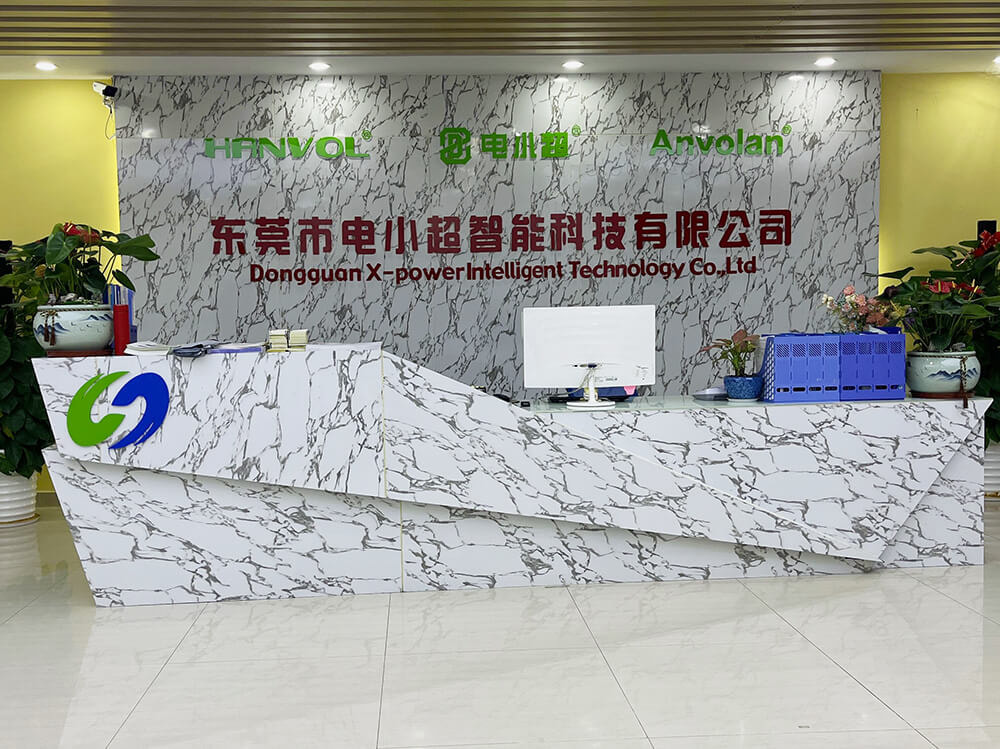
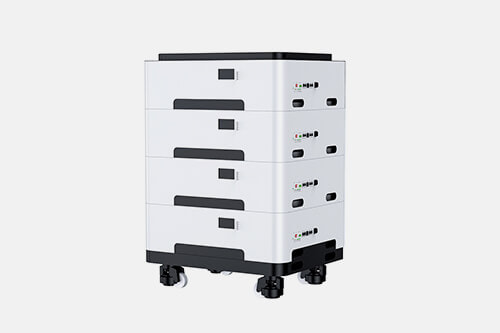
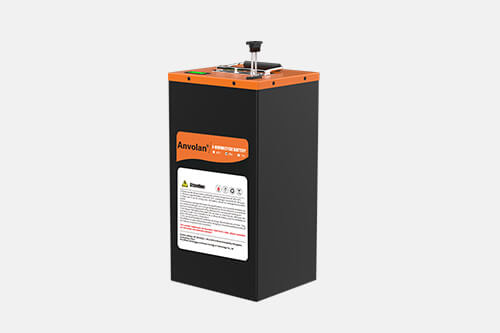
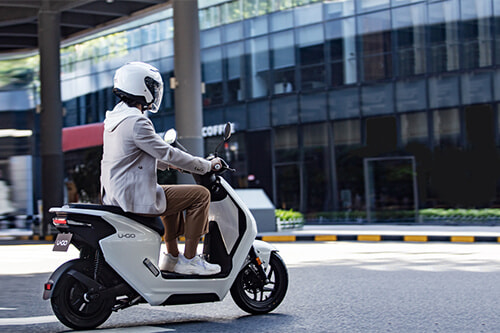
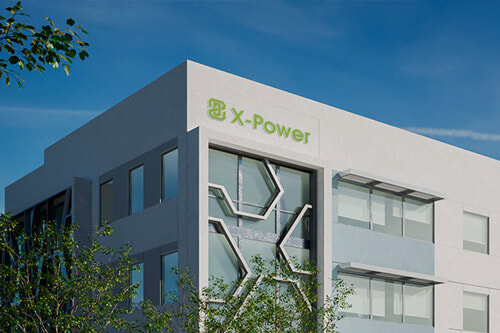
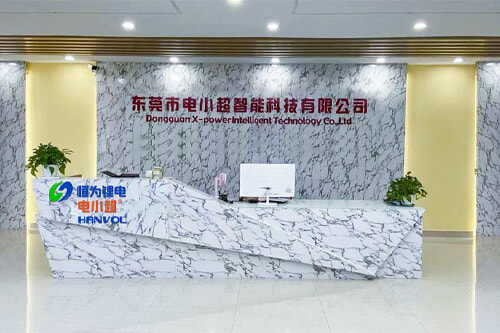
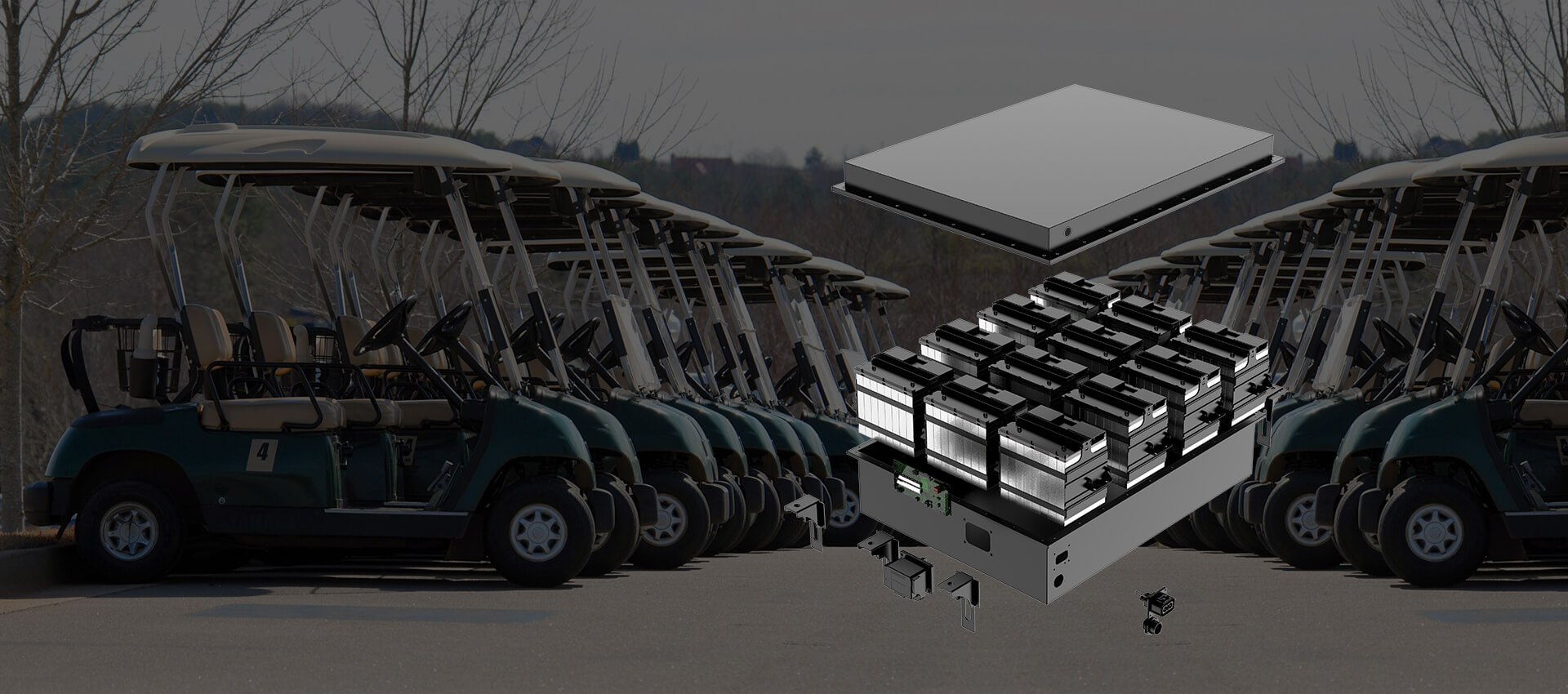
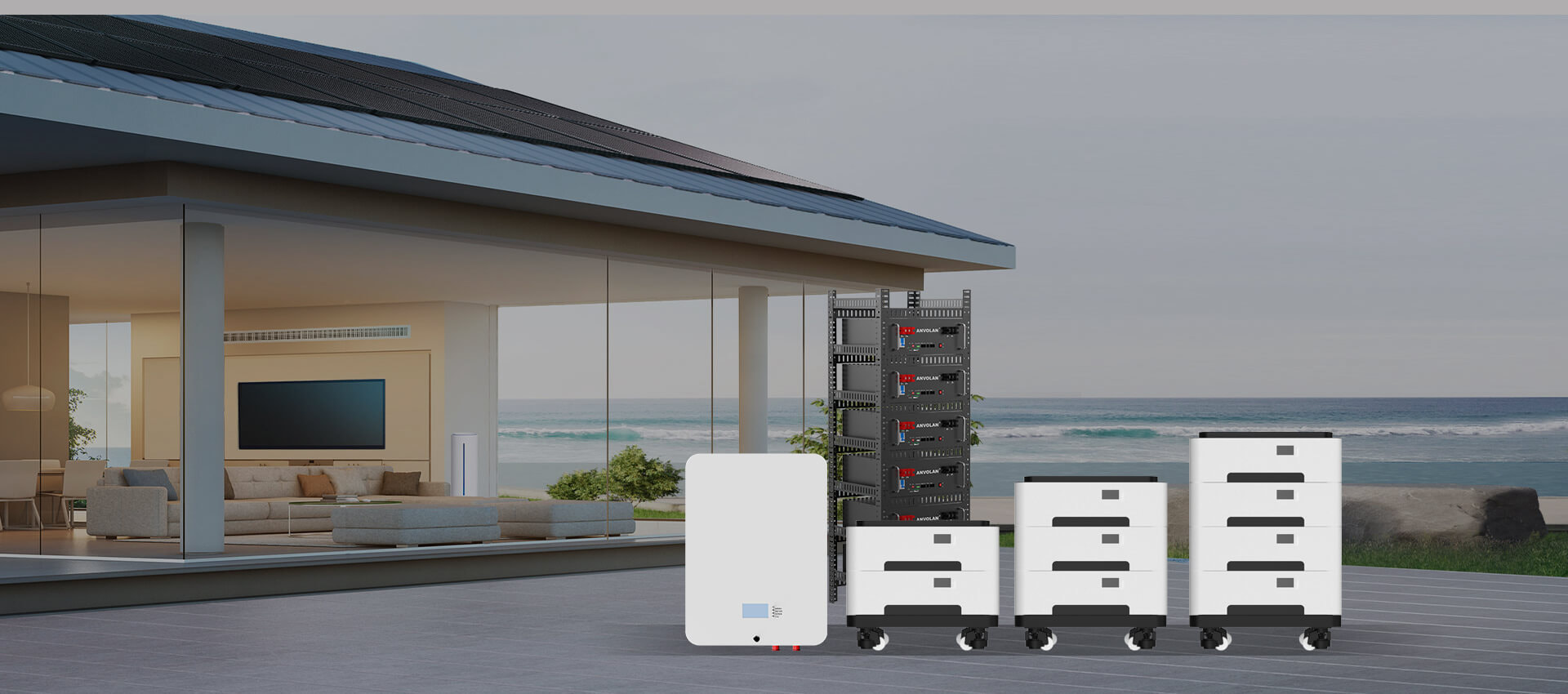
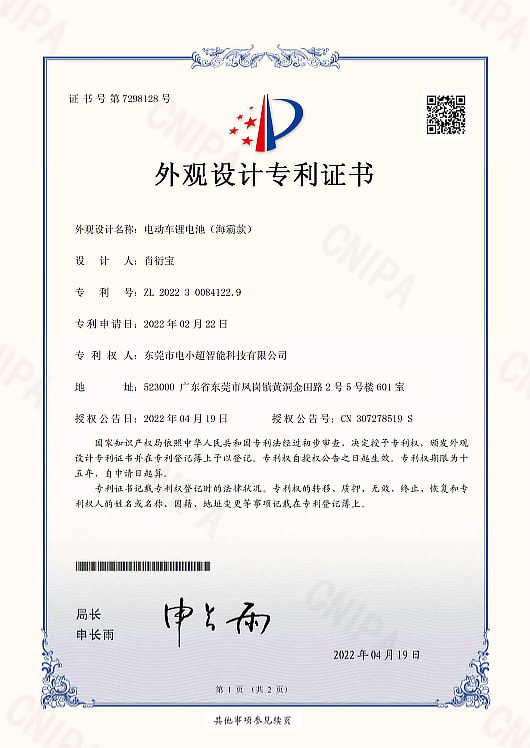
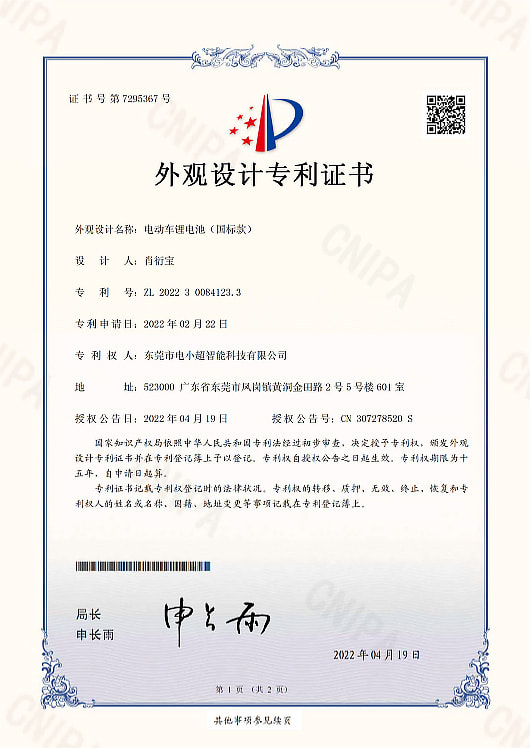
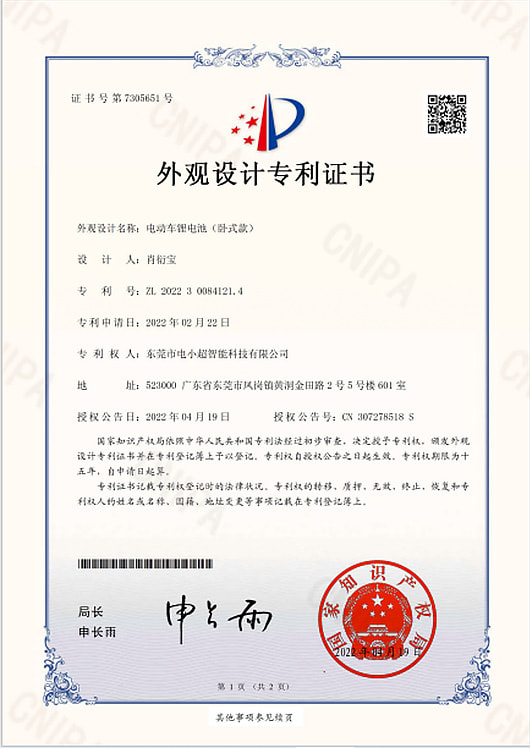
Dongguan X-Power Intelligent Technology Co.,Ltd is a professional smart battery manufacturer operates in 2 key business areas including e-mobility and energy storage. With over 10 years of experience in designing, engineering and manufacturing smart battery for needs of today and future.
Our ambition is committed to a sustainable future by offering green, smart, high efficiency energy solution for both new and existing applications.It makes X-Power continuously optimizing its R&D, management and production equipments in passing years to meet standard of ISO9 0 0 1 , SQP, and BSCI.
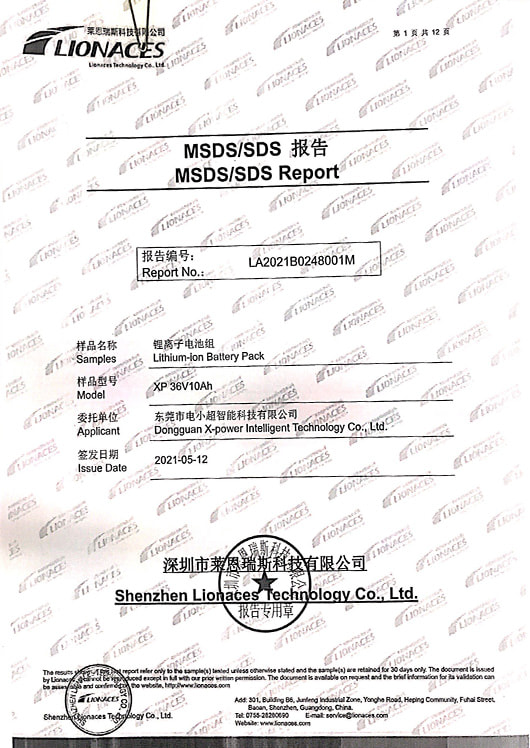
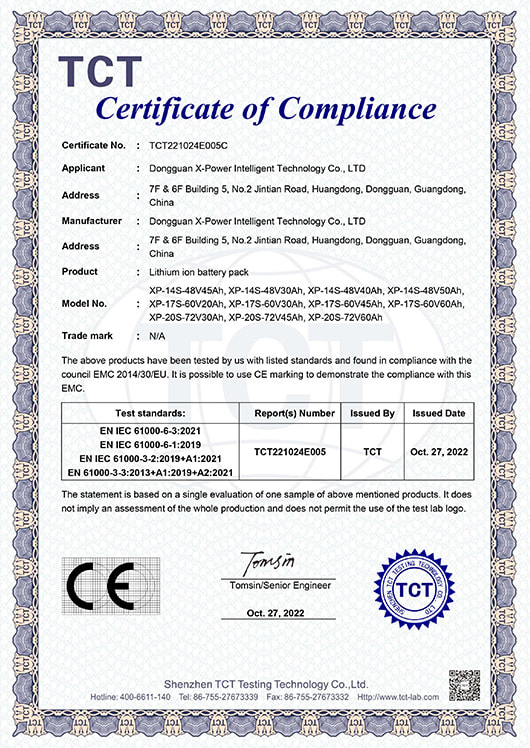
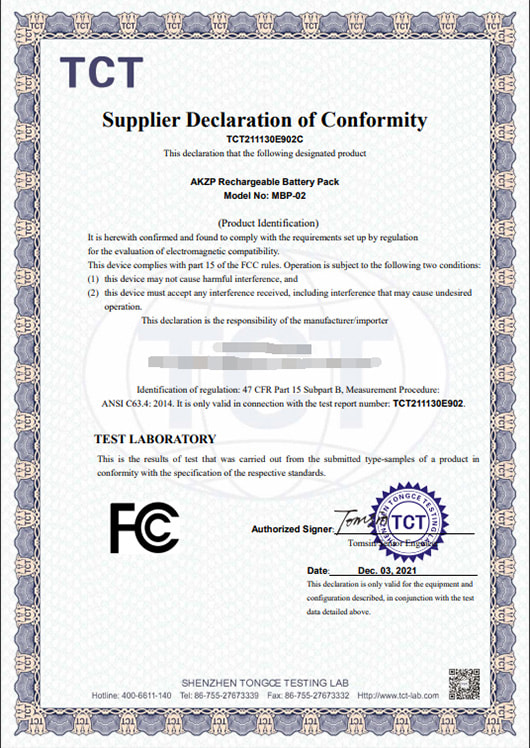
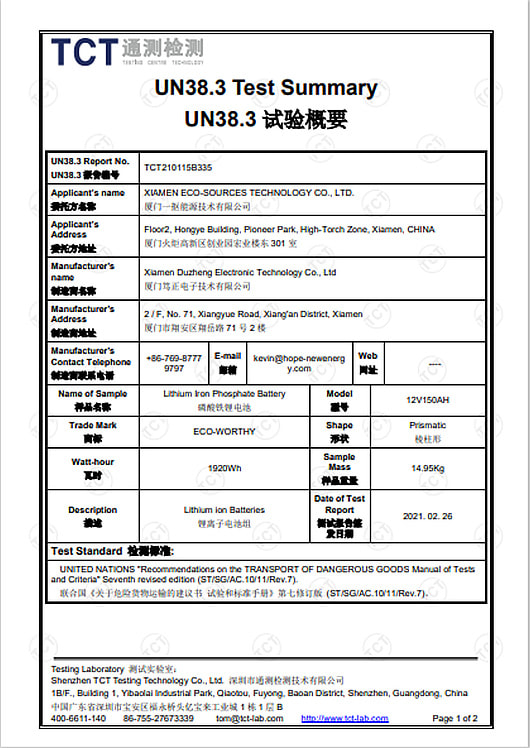
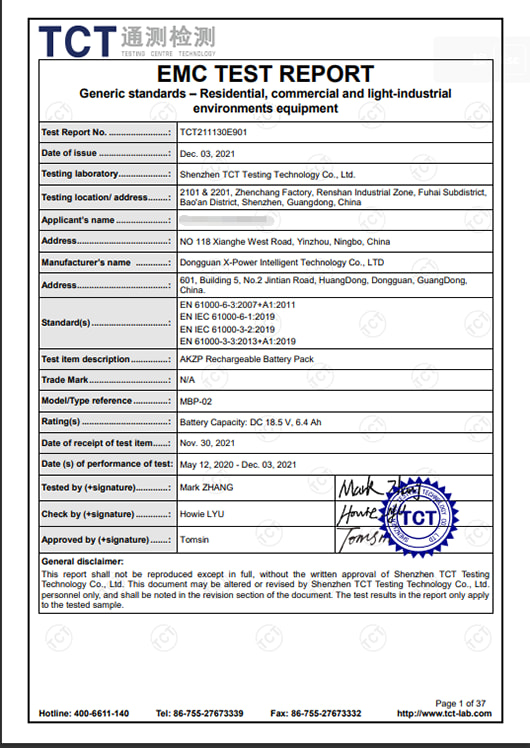
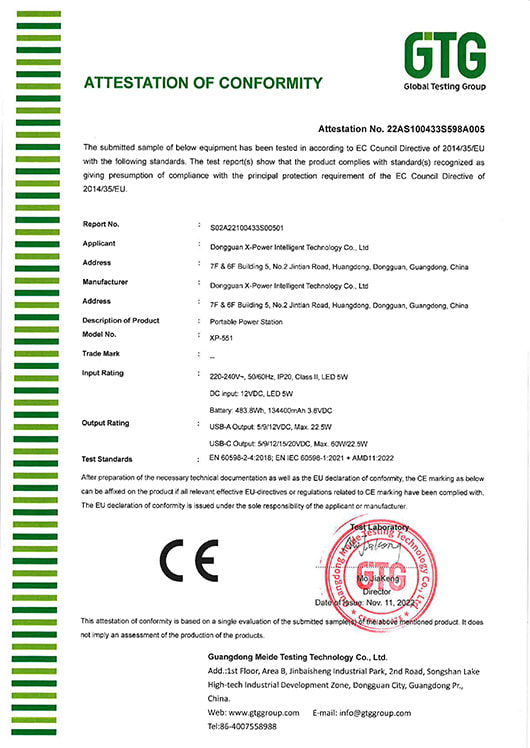
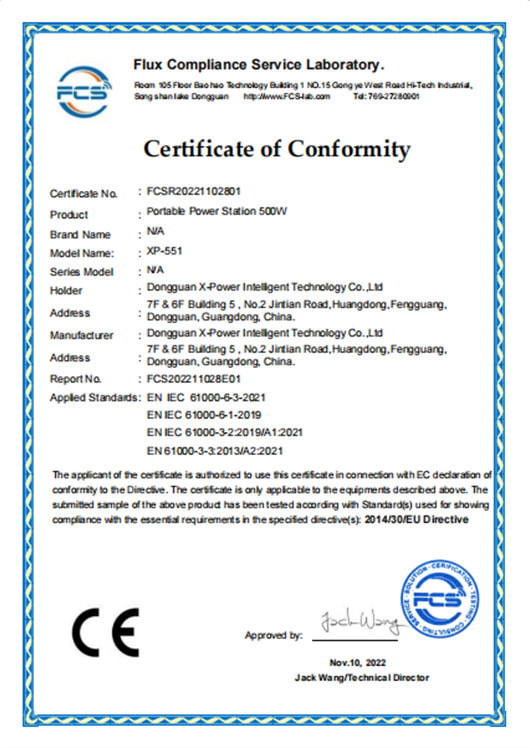
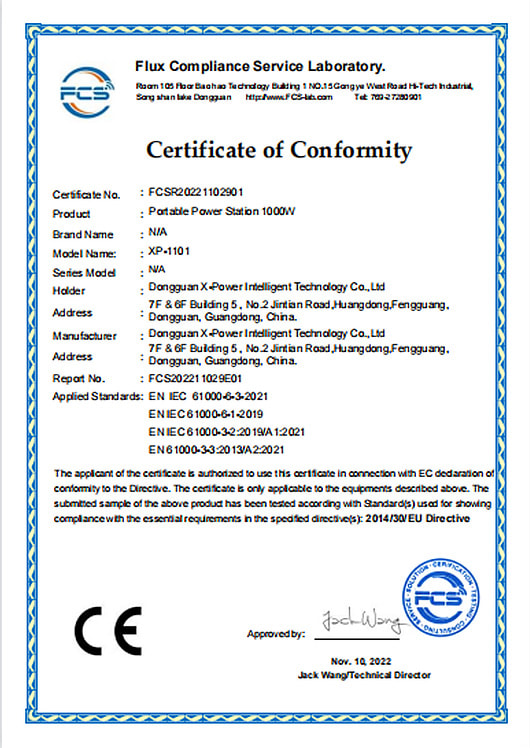
The safety assurance of a battery pack involves design verification, supply chain management, system adaption, correct cell selection and serious testing and manufacturing process. To meet the full procedure, X-Power has 8000m² workshop for test lab, R&D institute and production line. Also all products are tested and approved by third party lab. Over the years, X-Power had focused on China, Europe, USA, Japan, South Africa, Brazil,Indonesia, and etc. At the same time, we subscribed 1.5 million US Dollar global Product Liability Insurance for our products.
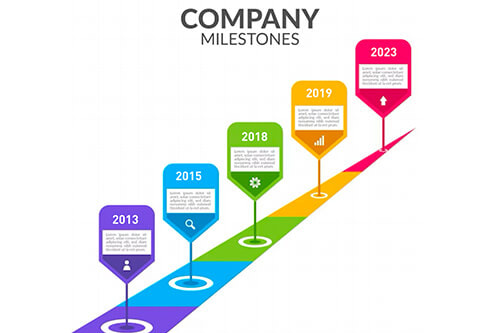
In June of 2023, we will set up new production line for battery energy storage in our new headquarters in Dongguan, China.
Welcome to contact us today for win-win solution.



10+Years Experience,Aduited by Iso9001, SQP, GS & BSCI

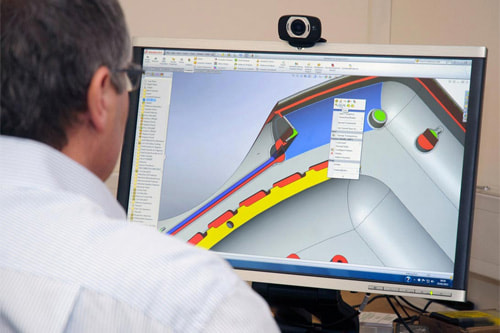
Professional R&D Team& In-House Lab

Stable Battery Cell Supply Chain including LG, SVOLT, GOTION,Ganfeng, etc.
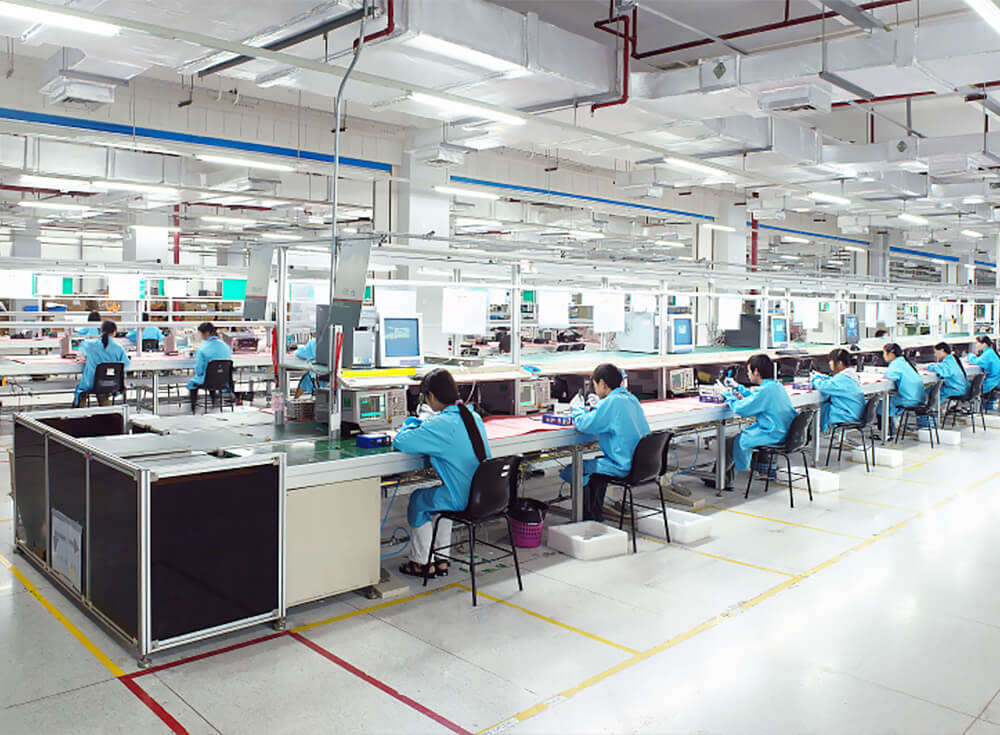
6+ Years International Brand ODM Experience

Major Seller in Chinese B2C Marketplace, 500,00+ End Users Experience

European Warehouse & After-Sales Service Center
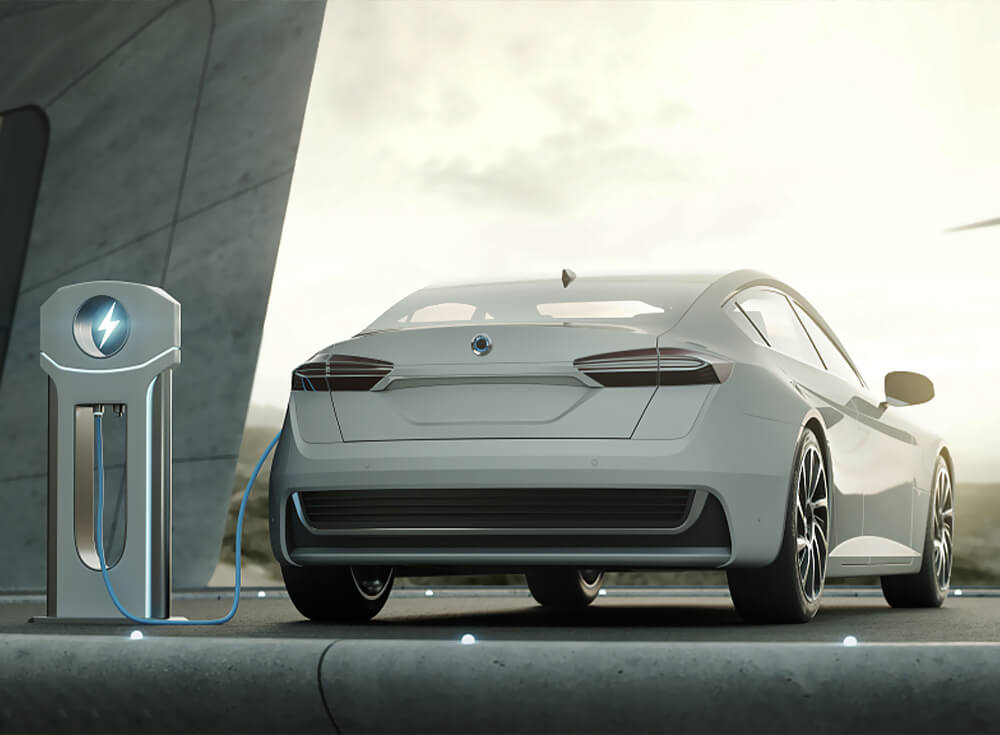
Focus on smart battery for light electric vehicle and energ storage



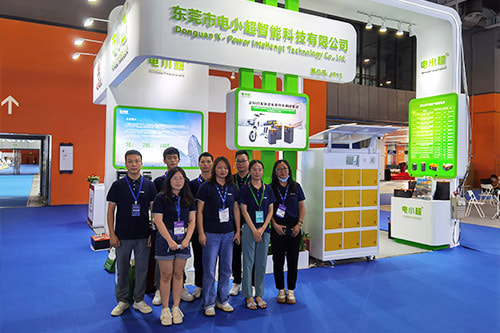
Dear Valued Customers and Partners,We are delighted to invite you to visit Dongguan X-Power Intelligent Technology Co., Ltd. at the World Battery & Energy Storage Industry Expo 2026 (WBE 2026), which will be held from September 16–18, 2026 at the China Import and Export Fair Complex, Guangzhou, China.As a professional lithium battery manufacturer, X-Power specializes in customized lithium battery solutions for various applications, including electric motorcycles, e-bikes, electric scooters, three-wheelers, low-speed electric vehicles, energy storage systems, and other electric mobility applications.During the exhibition, our team will showcase a range of lithium battery solutions and introduce our latest technologies in LiFePO4 battery systems, intelligent BMS, CAN/RS485 communication, fast charging, and customized battery pack design.We warmly welcome our customers, distributors, vehicle manufacturers, and industry partners from around the world to visit our booth. It will be a great
2026-09-16
Know More

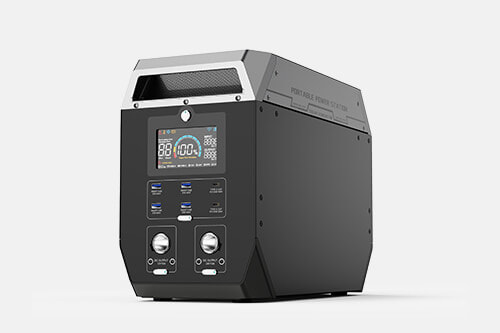
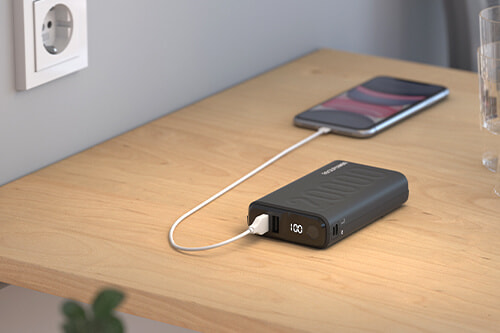
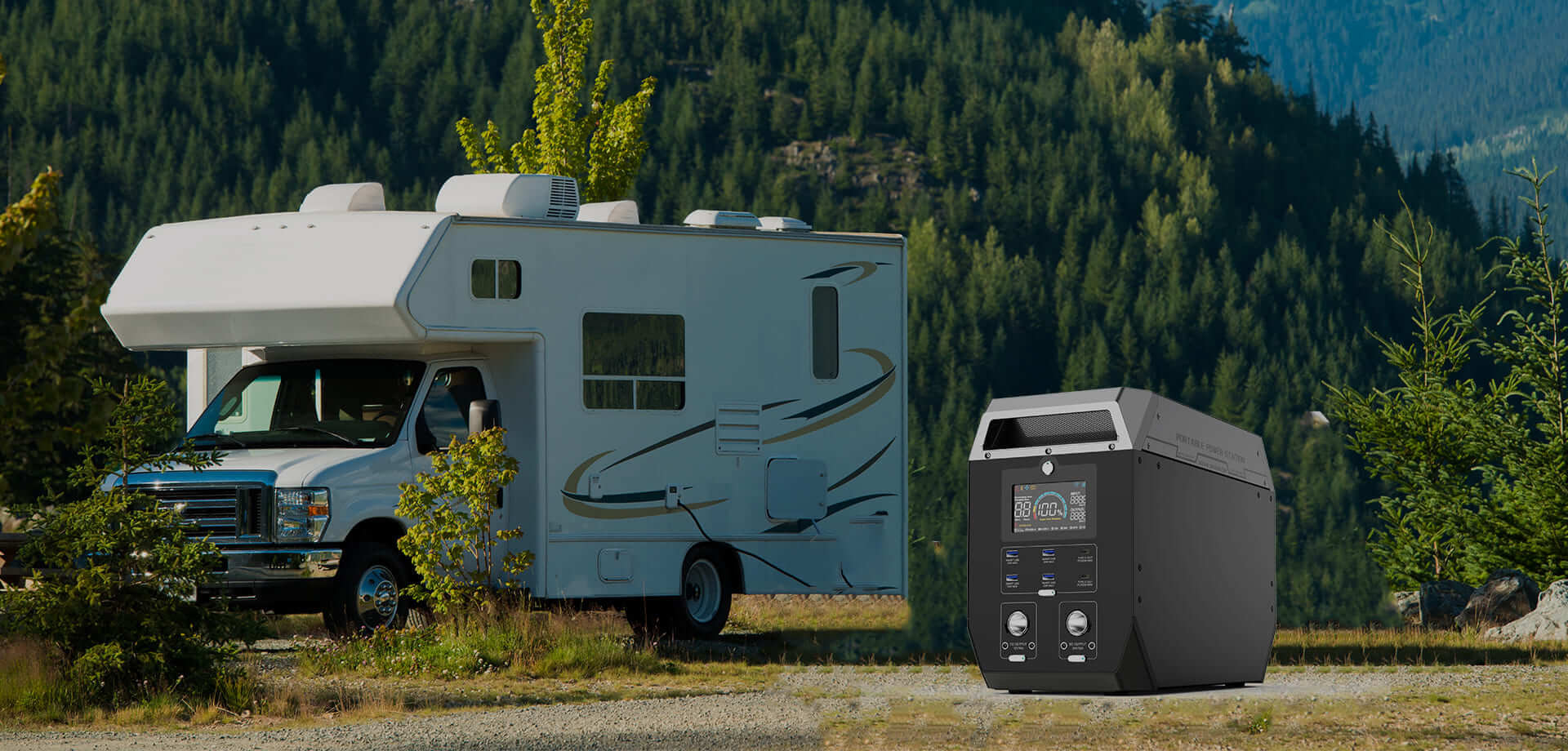
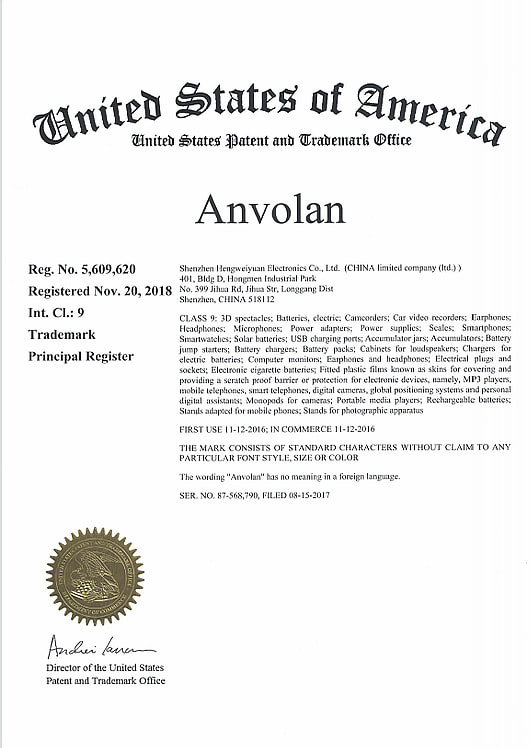
As one of the most influential global events for consumer electronics, IFA Berlin 2026 has officially concluded. The trade show brought together electronics brands, buyers and industry practitioners from all over the world. Focusing on popular sectors including portable power supplies, energy storage devices and smart accessories, it showcased the latest trends and innovative achievements across the global consumer electronics industry. Anvolan (Dongguan X-Power Intelligent Technology) attended the show with its newly‑developed portable‑power product portfolio, completing a fruitful overseas exhibition journey.During this exhibition, the brand unveiled --9 new power bank models --5 brand new portable power station units. The lineup covers mainstream application scenarios including daily portable charging, outdoor emergency energy storage and cross border custom power supplies. Fully upgraded by our R&D team, these new products deliver improvements in appearance design, safety performan
2026-09-12
Know More
Understanding the exact citycoco battery mounting bracket size is essential for seamless battery installation, stable riding performance, and long-term scooter durability. Most standard Citycoco electric scooters, including classic chopper-style M1, M6, and 1500W/2000W mainstream models, adopt unified factory bracket specifications designed for 60V lithium battery packs, the most common power configuration for daily commuting and outdoor riding. Many riders encounter loose batteries, unstable mounting, or failed battery compartment closure simply due to mismatched bracket sizes, which not only affects riding comfort but also triggers potential safety hazards such as wire friction and battery shell damage during bumpy rides.The standard factory mounting bracket dimensions for mainstream Citycoco scooters are precisely calibrated for two mainstream battery specifications: 60V 12Ah and 60V 20Ah lithium battery packs. For the widely used 60V 12Ah battery, the inner mounting bracket size is
The 60V 50Ah high-capacity lithium battery is the top-tier power configuration for Citycoco electric scooters, designed for long-distance commuting and cross-city riding, with a significant gap between official rated range and real-world actual range. Officially, the 60V 50Ah Citycoco battery is marked with a maximum range of 120 to 150 kilometers under laboratory standard conditions, which is tested at a constant speed of 25km/h, flat road, 25°C room temperature, no load, and full battery health. However, in complex daily riding scenarios affected by load, road conditions, temperature, and riding habits, the real-world comprehensive cruising range of the 60V 50Ah battery is stably maintained at 80 to 110 kilometers, which is the true usable range for most ordinary users.Riding load and rider weight are the most direct factors affecting the real-world range of the 60V 50Ah Citycoco battery. Laboratory test conditions adopt a lightweight rider load of about 60kg, while actual daily use
Electric motorcycle batteries can be temporarily used for small-scale solar energy storage in emergency scenarios, but they are not suitable as long-term formal solar storage power supplies due to differences in design parameters and working characteristics. E-motorcycle batteries are professional power batteries designed for high-current instantaneous discharge, adapting to the frequent start-stop, rapid acceleration, and high-torque power output needs of electric motorcycles. Solar energy storage batteries focus on low-current long-cycle charge and discharge, deep cycle endurance, and stable low-power output. The essential difference in design positioning leads to differences in service life and safety performance when e-motorcycle batteries are used for solar storage.In terms of temporary use feasibility, qualified lithium e-motorcycle batteries have certain solar storage capacity. Equipped with a matching solar charge controller, solar panels can slowly charge e-motorcycle batterie
The 72V30Ah and 72V50Ah batteries are two of the most common power configurations for mid-range electric motorcycles, catering to completely different riding scenarios and user needs. Both batteries adopt a 72V high-voltage platform, which supports higher motor power and faster speeds compared to 60V low-voltage batteries, but their capacity differences lead to huge gaps in cruising range, weight, charging time, and service life. Choosing between these two models depends entirely on daily riding mileage, travel scenarios, and budget, making a detailed parameter and performance comparison essential for electric motorcycle owners.In terms of core capacity and cruising range, the 72V50Ah battery has an absolute advantage. The 72V30Ah battery has a total energy of 2160Wh, with a real flat-road cruising range of 50–60km, suitable for daily urban commutes within 40km. Under loaded or hilly road conditions, its range drops sharply to 30–40km. In contrast, the 72V50Ah battery boasts 3600Wh of
Be the first to receive our latest news, how-to user guides,
and exclusive deals! Subscribe now.

 Headquarter Address:10F, Building 25, N0. 179 Fengguan, Dongshen Road, Dongguan, Guangdong
 Factory Address:Building 3, Area D, Shengyang Science and Technology Industrial Park, East District of Suichuan County Industrial Park, Ji'an, Jiangxi
 Headquarter Telephone No.:+86 769 2366 8529
Factory Telephone No.:+86 796 6111618
 Contact Person:Kevin Chen
 Email Address:chen@xpower-world.com