Global layout
 +86 769 2366 8529




Time:2026-09-23 Views:92
Energy Storage, Conversion and Scheduling Mechanism and Energy Efficiency Optimization of Portable Power Stations
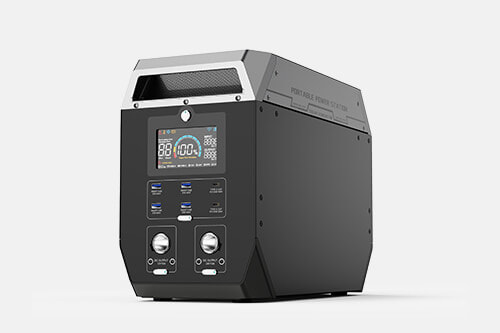
As a mobile independent energy storage device, the essence of a portable power station is a closed-loop energy system that independently completes energy collection, storage, conversion and release. Different from traditional mobile power supplies that only adapt to low-power energy supplementation for small digital devices, such equipment realizes multi-channel energy input, large-capacity energy storage and multi-standard energy output relying on mature electrochemical energy storage systems and power electronic conversion technologies. It perfectly fits diverse power consumption scenarios such as outdoor operations, camping travel, household emergency and off-grid construction. Decomposing its working mechanism from the energy perspective and clarifying the energy storage principle, conversion loss logic, dynamic scheduling law and long-term energy efficiency characteristics can help understand the equipment’s energy efficiency difference, endurance performance and working condition adaptability from the bottom up, serving as the core dimension to distinguish high-end energy storage equipment from ordinary power supply products.
Energy storage is the core basic function of portable power stations, determining the equipment’s power storage capacity and long-term energy accumulation capability. The entire energy storage unit takes large-capacity lithium batteries as the core carrier, and completes energy solidification by converting external electric energy into chemical energy relying on stable reversible electrochemical reactions. Compatible with multiple energy input sources including mains electricity, solar energy and vehicle charging, the equipment rectifies and stabilizes external power, then stores it in the cell in the form of stable direct current through reversible lithium ion deintercalation. High-quality equipment adopts high-energy-density energy storage cells with sufficient single-unit energy storage points and strong structural stability, featuring extremely low static energy loss. It can lock electric energy for a long time in a full-charge static state with a far lower self-discharge rate than traditional energy storage products. This high-efficiency and low-loss energy storage characteristic enables the equipment to reserve electric energy for a long time and meet off-grid emergency power demands across days and scenarios.
The efficient energy conversion system is the key barrier for portable power stations to adapt to full-category electrical loads. The energy stored in cells is direct current chemical energy, while civilian electrical equipment covers low-voltage DC digital products and high-voltage AC household appliances and tools with greatly different power standards, voltage and power requirements. Multi-stage energy conversion modules are required for adaptive output. Built with high-precision DC-DC step-up and step-down modules and pure sine wave inverter modules, the equipment forms a complete energy conversion link. The low-voltage DC ports precisely adjust the cell voltage to adapt to low-power loads such as mobile phones, laptops and vehicle equipment; the inverter converts stored DC power into industrial-frequency alternating current to supply high-power AC equipment including refrigerators, induction cookers and electric tools, realizing full-scene power coverage with one device.
Energy conversion efficiency directly determines the equipment’s power utilization rate and actual endurance performance. Every energy conversion process produces minor losses, mainly derived from circuit impedance heat generation, waveform correction loss and module standby power consumption. Low-end energy storage equipment suffers from high energy loss due to insufficient circuit accuracy and simple filter structures, resulting in most stored energy being lost as heat during conversion, with nominal capacity far exceeding actual available endurance. High-end portable energy storage equipment greatly improves energy conversion efficiency and reduces invalid energy consumption by optimizing circuit topology, adopting intelligent variable-frequency conversion chips and minimizing line internal resistance. Meanwhile, the pure sine wave output is highly consistent with municipal power waveforms without harmonic loss, which not only improves energy utilization, but also avoids damage to precision electrical equipment caused by clutter power.
The dynamic energy scheduling mechanism realizes load adaptation and balanced energy efficiency operation. In actual power consumption scenarios, load power fluctuates in real time with alternating light-load standby, medium-power continuous operation and high-power instantaneous startup, placing high requirements on the dynamic adaptation capability of energy output. Equipped with an intelligent energy management system, portable power stations collect real-time data such as load power, output current and cell voltage to dynamically adjust energy output strategies. It automatically reduces output power and standby loss under light-load conditions and rapidly releases stored energy power to stabilize output under heavy-load conditions, avoiding power-off caused by insufficient power. In addition, the system features balanced energy distribution to reasonably allocate power during multi-port simultaneous output, preventing single-port overload and unbalanced energy distribution and ensuring stable power supply for multiple devices.
Energy loss control and long-term energy stability determine the full-life-cycle application value of equipment. During long-term cyclic use, the energy storage capacity of cells gradually decays due to microscopic structural aging and increased internal resistance, reducing available energy under the same capacity. High-quality portable power stations suppress energy attenuation through multiple technical means. The built-in intelligent charge and discharge program accurately controls charge and discharge depth to avoid structural damage caused by overcharge and overdischarge. The active balancing technology corrects energy deviation of single cells to ensure overall energy consistency and prevent global energy efficiency decline caused by local cell aging. Meanwhile, the temperature-controlled energy optimization strategy automatically adjusts energy output in high and low temperature environments to reduce temperature-induced energy loss and maintain stable all-season energy output.
The renewable energy adaptation capability expands the off-grid application boundary of portable power stations. Relying on solar energy adaptation technology, the equipment directly captures natural light energy and converts light into storable electric energy, realizing independent energy supplementation without grid power support. The intelligent photovoltaic maximum power tracking system adapts to real-time light intensity changes to maximize solar energy collection and weaken power generation loss in cloudy and weak light conditions, improving renewable energy utilization. This recyclable energy collection and storage mode completely gets rid of mains dependence of traditional power supply equipment, realizing zero-energy-consumption and zero-pollution independent energy storage outdoors, and greatly improving the application value of off-grid operations, field exploration and remote site duty scenarios.
In conclusion, the core advantages of portable power stations are reflected in the full-link optimization of energy storage, conversion, scheduling and loss control. The complete energy operation system builds high-efficiency, stable and universal power supply capability through large-capacity low-loss energy storage, high-precision multi-standard conversion, intelligent dynamic scheduling and long-term energy efficiency stabilization. Compared with traditional power supply equipment, it features higher energy utilization, wider working condition adaptation and stronger endurance stability. It can continuously provide efficient clean energy support for various off-grid, emergency and mobile power consumption scenarios, serving as highly practical core equipment in the field of mobile energy storage.
Be the first to receive our latest news, how-to user guides,
and exclusive deals! Subscribe now.

 Headquarter Address:10F, Building 25, N0. 179 Fengguan, Dongshen Road, Dongguan, Guangdong
 Factory Address:Building 3, Area D, Shengyang Science and Technology Industrial Park, East District of Suichuan County Industrial Park, Ji'an, Jiangxi
 Headquarter Telephone No.:+86 769 2366 8529
Factory Telephone No.:+86 796 6111618
 Contact Person:Kevin Chen
 Email Address:chen@xpower-world.com