Global layout
 +86 769 2366 8529




Time:2026-09-24 Views:177
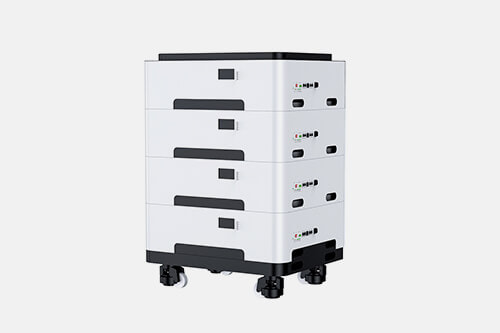
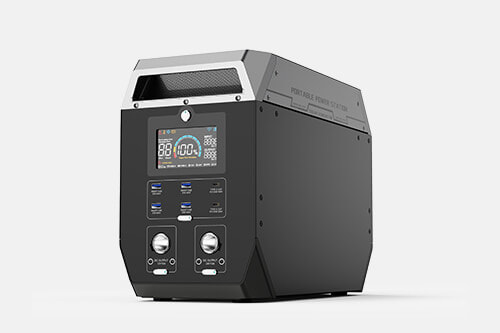
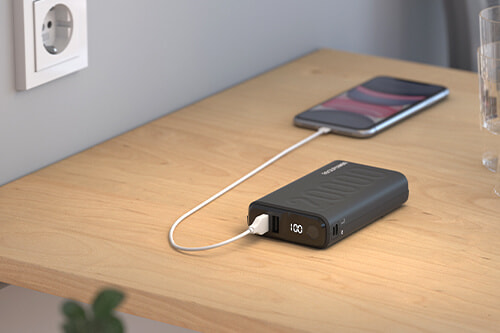
With the popularization of outdoor camping, self-driving travel, field operations and household emergency backup power supply, mobile energy storage devices have become core equipment for outdoor power consumption due to their advantages of portability, low noise and zero fuel pollution. The overall service life of the equipment is deeply bound to the battery cell life. During daily use, most users encounter premature problems such as capacity attenuation, unstable power supply and standby power leakage due to improper operating habits, poor storage environments and irregular charging and discharging methods. Understanding the core factors affecting service life and mastering scientific maintenance skills can effectively delay equipment aging, maximize the practical value of equipment, and reduce long-term replacement and operation and maintenance costs.
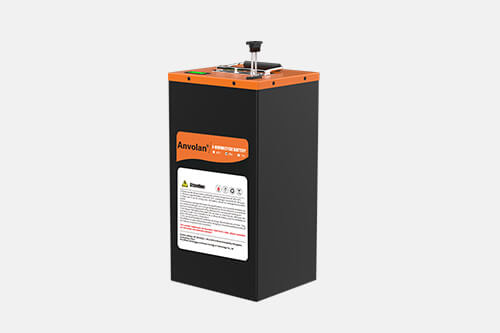
Battery cell material is the core hardware condition that determines the basic service life of equipment. Energy storage cells of different materials have significant differences in cycle life and anti-attenuation capability. At present, mainstream equipment on the market is generally equipped with lithium iron phosphate cells. These cells feature stable chemical properties, high temperature resistance, overcharge resistance and low thermal runaway risk, with a standard cycle life of 3,000 to 4,000 times. With standardized use, the normal service life of the whole machine can reach 8 to 10 years. In contrast, entry-level equipment adopts ordinary ternary lithium cells with a cycle life of only 500 to 800 times, weak long-term stability, and a service life of generally 3 to 5 years. Differences in hardware quality directly lay the foundation for the long-term use of equipment.
Charging and discharging habits are the key human factors affecting the actual service life of equipment and the most easily neglected source of loss. Frequent deep discharge, that is, exhausting power until the equipment shuts down automatically, will passivate the active chemical substances inside the cells, causing irreversible capacity loss and greatly shortening the cycle life. At the same time, long-term full-power storage, long-term high-power overload discharge, and the use of non-original inferior charging equipment will lead to unbalanced cell voltage, abnormal heating, accelerated aging of internal electrolyte, increased cell voltage difference and rapid capacity attenuation. On the contrary, adhering to the usage habit of shallow charging and shallow discharging and keeping the power within the optimal range of 20% to 80% can minimize the chemical pressure of cells and delay aging.
Ambient temperature and storage conditions play a decisive role in the service life of equipment, and extreme temperatures are the top invisible killer of energy storage equipment. High temperature accelerates the internal chemical reaction of cells and electrolyte decomposition. Long-term exposure to sunlight or storage in closed vehicles will directly accelerate cell aging, cause bulging and deformation, and even trigger potential safety hazards. In extremely low temperature environments, cell activity is greatly reduced. Forcing high-power charging and discharging will easily damage the internal structure and cause permanent capacity loss. Daily idle storage should be carried out in a cool, dry and well-ventilated constant temperature place, avoiding humid, sun-exposed and frost environments. Stable ambient temperature can effectively lock cell activity and extend the service cycle of equipment.
Idle maintenance and regular upkeep are core guarantees for the long-term stable operation of equipment. The equipment has a tiny self-discharge property, and long-term idling without maintenance will lead to gradual power loss and cell dormancy. Many users leave emergency power supply equipment idle for a long time without power replenishment, which is very likely to cause deep power deficit and even cell scrapping. The scientific industry maintenance standard is to keep the power at the optimal storage range of 40% to 60% during long-term idling, and conduct a complete charge and discharge cycle calibration every three to six months to activate cell activity and correct power statistical errors. Meanwhile, it is necessary to regularly clean the dust at the heat dissipation vents and inspect the wiring ports to avoid heat dissipation blockage and operation faults caused by dust accumulation.
Load specification also affects the service life of equipment, and long-term overload operation will continuously consume equipment performance. In daily use, long-term full-power output and simultaneous high-power load of multiple devices should be avoided. Operation beyond the rated power will cause continuous high-temperature heating of the equipment and aggravate the loss of batteries and circuit boards. Matching loads on demand and reserving a reasonable power margin can maintain stable equipment operation and reduce hardware loss. In addition, the intelligent management system equipped with the equipment can independently adjust charging and discharging, temperature control and balance protection. It does not need to be manually turned off in daily use and can maintain the optimal working state of cells to extend the service life.
In general, the service life of portable energy storage equipment is determined by hardware quality, usage habits, storage environment and regular maintenance. High-quality hardware combined with scientific use, storage and maintenance methods can avoid most premature aging problems and keep the equipment in stable power supply performance for a long time. Standardizing daily usage details and adhering to regular maintenance and calibration can not only greatly prolong the service life of equipment, but also ensure the safety and stability of power consumption in various field operations and emergency power supply scenarios, and give full play to the practical value of portable energy storage equipment.
Be the first to receive our latest news, how-to user guides,
and exclusive deals! Subscribe now.

 Headquarter Address:10F, Building 25, N0. 179 Fengguan, Dongshen Road, Dongguan, Guangdong
 Factory Address:Building 3, Area D, Shengyang Science and Technology Industrial Park, East District of Suichuan County Industrial Park, Ji'an, Jiangxi
 Headquarter Telephone No.:+86 769 2366 8529
Factory Telephone No.:+86 796 6111618
 Contact Person:Kevin Chen
 Email Address:chen@xpower-world.com