Global layout
 +86 769 2366 8529




Time:2026-09-24 Views:90
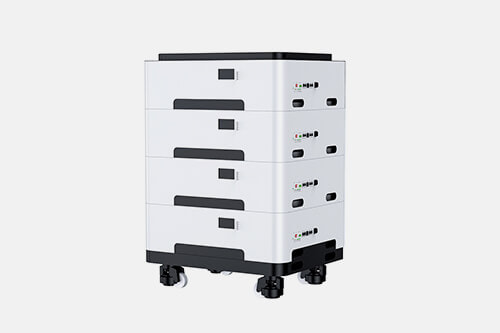
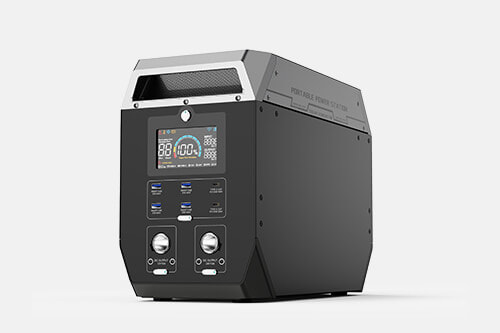
In scenarios such as outdoor camping, field operations, emergency disaster relief and off-grid power supply, mobile energy storage power supply equipment has gradually replaced traditional fuel power supply equipment due to its advantages of no fuel consumption, low noise, environmental protection and energy saving, becoming the mainstream choice for outdoor power consumption. As the core carrier of such energy storage equipment, the stable balance and scientific management of cell power directly determine the power supply stability, battery life and overall service life of the equipment. In daily use, many users cause problems such as reduced cell activity, capacity attenuation and unbalanced voltage difference of cells due to improper power consumption, charging and storage methods, which greatly shorten the service life of the equipment. Therefore, mastering scientific cell power management methods is crucial.
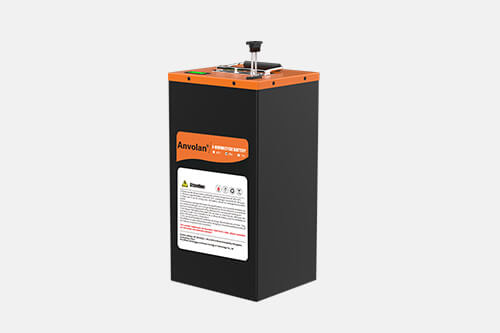
At present, mainstream outdoor energy storage equipment adopts lithium iron phosphate cells. Compared with traditional lithium batteries, such cells have higher safety, longer cycle life and better high-temperature resistance, adapting to complex and changeable outdoor environments. There are slight factory differences in the rated voltage and capacity of single cells. After long-term charge and discharge cycles, inconsistent power of single cells will occur, commonly known as cell voltage difference in the industry. If the voltage difference continues to expand, the power of some cells will be exhausted in advance while other cells still have residual power, leading to early power-off of the equipment and reduced available capacity. Even if the equipment shows full power, the actual power supply capacity will drop significantly.
In daily use, the charge and discharge range of cell power is the core factor affecting cell life. Most users are accustomed to recharging after the power is completely exhausted or storing the equipment with full power for a long time, both of which will cause irreversible damage to the cells. In the state of deep power deficit, the internal chemical substances of the cells will passivate with greatly reduced activity. Long-term storage with insufficient power will cause cell bulging, permanent capacity attenuation, and even failure to charge normally. Long-term static storage with 100% full power will keep the cells in a high-pressure saturated state for a long time, accelerate the aging of electrolyte, and increase the risk of equipment overheating and failure, especially in high-temperature outdoor environments where the loss will be further intensified.
The optimal industry standard for daily use is to maintain the cell power within the range of 20% to 80%. The usage method of shallow charging and shallow discharging can minimize the internal chemical stress of cells, slow down the speed of capacity attenuation, and greatly improve the cycle service life of cells. Full power charging is only required for long-distance outdoor operations, emergency power supply and other scenarios requiring full-load battery life. After use, the power should be adjusted back to the conventional range in time to avoid long-term retention of full power. Meanwhile, original matching chargers must be used for charging, and high-power fast charging and inferior charging equipment are prohibited to prevent unsteady current and voltage from causing unbalanced cell power and internal structural damage.
Cell power management during idle storage is equally important. Outdoor energy storage equipment has a slight self-discharge feature, with a natural power loss of 2% to 3% every month. For long-term idle storage, the optimal power range is 40% to 60%, where the internal cell pressure is the lowest and the chemical state is the most stable, which can effectively avoid damage from power deficit and aging caused by full power. It is recommended to check the power level every three to four months and replenish power to the standard range in time to maintain cell activity and avoid cell dormancy and abnormal voltage difference caused by long-term standing. In addition, the storage environment should avoid high-temperature exposure, low-temperature frost and humid conditions, as abnormal temperatures will disrupt the cell power balance and accelerate equipment aging.
Formal outdoor energy storage equipment is equipped with an intelligent battery management system, which can real-time monitor the power, voltage and temperature data of each cell, automatically complete power balance adjustment, correct cell voltage difference, and ensure stable overall power output. Users can check the cell status through the equipment terminal regularly. If problems such as excessive power loss speed, false full power display and power supply stuttering occur, complete charge and discharge calibration should be carried out in time to repair power detection errors and restore the normal performance of cells. Scientifically managing cell power and standardizing usage and storage habits can maximize equipment performance, extend the service cycle of equipment, reduce the probability of outdoor power consumption failures, and provide stable and safe power guarantee for various outdoor power consumption scenarios.
Be the first to receive our latest news, how-to user guides,
and exclusive deals! Subscribe now.

 Headquarter Address:10F, Building 25, N0. 179 Fengguan, Dongshen Road, Dongguan, Guangdong
 Factory Address:Building 3, Area D, Shengyang Science and Technology Industrial Park, East District of Suichuan County Industrial Park, Ji'an, Jiangxi
 Headquarter Telephone No.:+86 769 2366 8529
Factory Telephone No.:+86 796 6111618
 Contact Person:Kevin Chen
 Email Address:chen@xpower-world.com