Global layout
 +86 769 2366 8529




Time:2026-04-17 Views:19
Energy density is a core indicator to measure the performance of lithium-ion batteries, which directly determines the volume, weight and battery life of the battery. Its level not only affects the portability of various electrical equipment, but also determines the development upper limit of the new energy industry. There are significant differences in energy density among different types of lithium-ion batteries. Reasonably comparing their performance can provide a scientific basis for battery selection in different application scenarios, helping equipment achieve lightweight and high-efficiency upgrades.
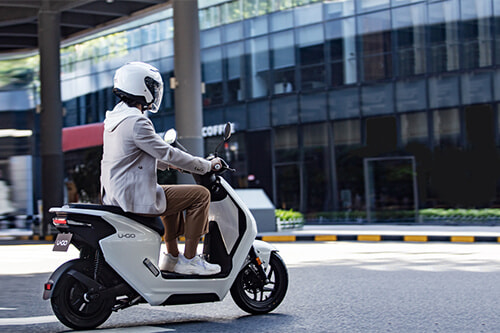
Among the current mainstream lithium-ion batteries, the energy density comparison between ternary lithium batteries and lithium iron phosphate batteries is the most typical. Ternary lithium batteries (nickel-cobalt-manganese/nickel-cobalt-aluminum system) have high energy density. Conventional products can reach 180-260Wh/kg, and high-end products even exceed 300Wh/kg. With the advantage of high energy density, they are widely used in scenarios with high requirements for battery life and lightweight, such as electric vehicles and laptop computers, which can provide longer battery life in a limited volume.
In contrast, lithium iron phosphate batteries have slightly lower energy density, with conventional products ranging from 120-180Wh/kg, but they have higher safety, longer cycle life and lower cost, which are suitable for scenarios with moderate requirements for battery life and emphasis on stability, such as energy storage power stations, golf carts, and low-speed electric vehicles. In addition, lithium titanate batteries have low energy density (50-80Wh/kg), but they have fast charging and discharging speed and excellent low-temperature performance, which are mostly used in special equipment. It can be seen from the comparison that the differences in energy density of various lithium-ion batteries determine the differentiation of their applicable scenarios. There is no absolute advantage or disadvantage, only adaptation.
Be the first to receive our latest news, how-to user guides,
and exclusive deals! Subscribe now.

 Headquarter Address:10F, Building 25, N0. 179 Fengguan, Dongshen Road, Dongguan, Guangdong
 Factory Address:Building 3, Area D, Shengyang Science and Technology Industrial Park, East District of Suichuan County Industrial Park, Ji'an, Jiangxi
 Headquarter Telephone No.:+86 769 2366 8529
Factory Telephone No.:+86 796 6111618
 Contact Person:Kevin Chen
 Email Address:chen@xpower-world.com