Global layout
 +86 769 2366 8529




Time:2026-04-15 Views:48
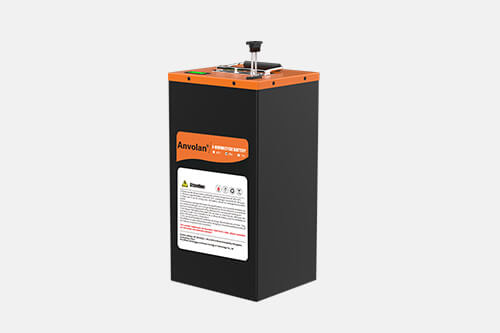
In the context of the continuous development of modern golf sports and short-distance transportation within resorts and campuses, golf carts have become essential tools for golf course operations, resort transfers, and community mobility. As the core power source of these vehicles, the battery system directly determines range, operational stability, and overall operating cost. In recent years, the Lithium Golf Cart Battery has rapidly replaced traditional lead-acid batteries due to its high performance and long lifespan, becoming the mainstream direction of industry development.
The introduction of lithium battery technology has brought a significant performance upgrade to golf carts. Compared with traditional lead-acid batteries, lithium batteries offer much higher energy density, meaning they can provide longer driving range and more stable power output under the same size and weight conditions. At the same time, lithium batteries are significantly lighter, reducing the overall vehicle load, improving acceleration performance, and enhancing energy efficiency, making golf carts smoother and more efficient on grass fields and complex terrains.
In terms of range, high-quality lithium golf cart batteries typically support 40 to 100 kilometers or even more per charge, fully meeting the operational needs of a full day on the golf course. For resorts, hotels, and large communities, this long-range capability not only reduces frequent charging requirements but also significantly improves operational efficiency and vehicle utilization.
Safety is a core consideration in lithium battery design. Modern lithium golf cart batteries are commonly equipped with an advanced Battery Management System (BMS), which continuously monitors voltage, current, and temperature changes. It effectively prevents risks such as overcharging, over-discharging, overheating, and short circuits. The BMS also provides cell balancing functionality, ensuring all individual cells within the battery pack remain in consistent condition, thereby extending overall lifespan and improving stability.
In terms of service life, lithium golf cart batteries typically achieve 2,000 to 5,000 charge cycles, far exceeding the lifespan of traditional lead-acid batteries. This means that under normal usage conditions, lithium batteries can last 5 to 10 years or more, significantly reducing replacement frequency and long-term maintenance costs. For commercial operators, this long-term economic advantage is especially valuable.
Charging efficiency is another major advantage. Lithium golf cart batteries support fast-charging technology, allowing full charging within 2 to 6 hours, greatly reducing vehicle downtime and improving fleet turnover efficiency. In contrast, traditional lead-acid batteries often require 8 to 12 hours or more to fully charge, making them far less efficient.
In addition, lithium batteries require almost no maintenance, which is another key reason for their popularity. Traditional lead-acid batteries need regular water refilling, cleaning, and inspection, while lithium batteries are essentially “plug-and-play,” significantly reducing maintenance workload and labor costs, making operations easier and more efficient.
From an environmental perspective, lithium golf cart batteries also offer clear advantages. They produce no harmful gas emissions during use and do not generate acidic pollutants, aligning with modern green and low-carbon development trends. As global attention to sustainability continues to grow, lithium batteries are becoming a key driver of the golf cart industry’s green transformation.
In terms of design trends, modularization and intelligence are becoming important directions for lithium battery development. Modular designs make batteries easier to replace and upgrade, while smart monitoring functions allow users to check battery status, remaining capacity, and health conditions in real time via mobile devices or management systems. This intelligent experience not only improves convenience but also provides valuable data support for fleet management.
Looking ahead, with continuous advancements in battery technology, lithium golf cart batteries will further evolve toward higher energy density, faster charging speeds, and stronger safety performance. The application of solid-state batteries, new electrolyte materials, and AI-based energy management systems will further enhance overall performance, enabling golf carts to operate with higher efficiency, lower costs, and greater environmental friendliness.
In conclusion, lithium golf cart batteries are not just a power solution but a key technology driving modernization in the golf and campus transportation industry. They are transforming the way golf carts are used, making operations more efficient, transportation greener, and user experience more comfortable, while providing a solid energy foundation for green mobility and smart campus development.
Be the first to receive our latest news, how-to user guides,
and exclusive deals! Subscribe now.

 Headquarter Address:10F, Building 25, N0. 179 Fengguan, Dongshen Road, Dongguan, Guangdong
 Factory Address:Building 3, Area D, Shengyang Science and Technology Industrial Park, East District of Suichuan County Industrial Park, Ji'an, Jiangxi
 Headquarter Telephone No.:+86 769 2366 8529
Factory Telephone No.:+86 796 6111618
 Contact Person:Kevin Chen
 Email Address:chen@xpower-world.com