Global layout
 +86 769 2366 8529




Time:2026-09-24 Views:63
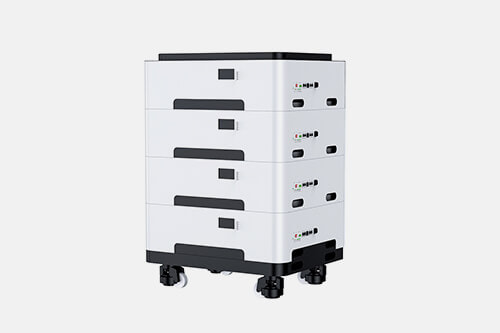
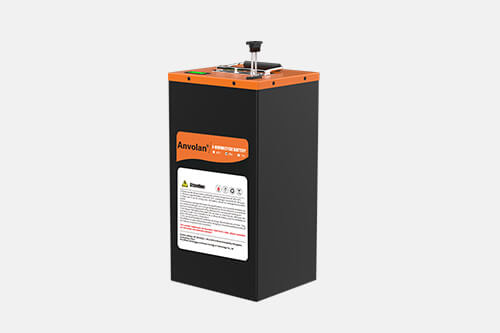
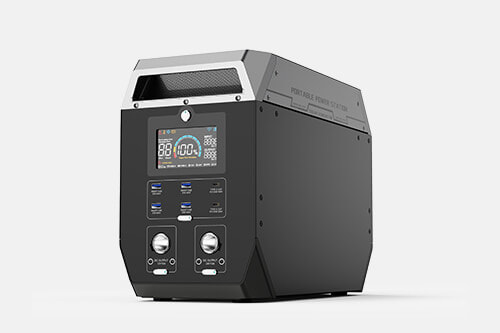
In modern wireless communication, base station networking, radio frequency band coverage and private network communication engineering, backup energy storage power supplies are core supporting facilities that ensure the continuous and stable operation of various frequency band equipment. Traditional energy storage solutions have long relied on old lead-acid energy storage devices, which are widely used in communication base stations, computer room equipment, frequency band signal transceivers and other scenarios due to mature processes and low cost advantages. However, with the iteration of high-frequency communication technology, the improvement of global signal coverage density and the upgrading of overseas engineering standardization, the shortcomings of traditional equipment such as short service life, poor temperature resistance, high operation and maintenance costs, and insufficient discharge stability have become prominent, which can no longer meet the long-term operation requirements of high-precision frequency band equipment. Against this industrial background, new adaptive replacement energy storage products have gradually become the mainstream choice for import trade and engineering renovation, providing reliable power support for the upgrading of global communication frequency band engineering.
Communication frequency band equipment has strict adaptation requirements for the operating parameters of energy storage power supplies. In particular, the long-term constant temperature, constant voltage and low-fluctuation power supply characteristics directly determine the purity and transmission stability of frequency band signals. Precision equipment such as radio frequency communication, microwave frequency band transmission and narrowband private networks are extremely sensitive to power ripple, discharge consistency and instantaneous load adaptability. When traditional energy storage equipment works in a long-term floating charge state, it is prone to plate aging, voltage drift, capacity attenuation and other problems, which will cause power supply voltage fluctuations, further triggering faults such as frequency band signal interference, frequency offset and transmission stuttering. In severe cases, it will lead to abnormal base station frequency band switching and local signal disconnection, affecting the coverage quality and operation accuracy of the overall communication network.
Compared with traditional products, the new generation of replacement energy storage products optimizes core performance for communication frequency band engineering scenarios, perfectly matching the power supply standards of various civil and industrial-grade frequency band equipment. Optimized with internal cell structure and circuit management system, these products greatly improve discharge stability, maintain ultra-low voltage fluctuation throughout the operation process, eliminate the interference of power clutter on radio frequency band signals, and effectively ensure the signal purity of high-frequency and ultra-high-frequency communication links. Meanwhile, the products expand the operating temperature range, adapt to complex working conditions such as outdoor base stations, open-air signal stations and remote frequency band coverage stations, solve the problems of sudden capacity drop and unstable start-stop of traditional equipment in high and low temperature environments, and fit the engineering deployment environments of different regions worldwide.
From the perspective of import trade and engineering implementation, such replacement products have strong market adaptation advantages, conforming to the upgrading trend of overseas engineering and the iteration of old equipment. At present, the global communication industry continues to promote frequency band optimization and refined network transformation. Countries around the world have successively introduced environmental protection energy storage policies to restrict the use of traditional high-pollution and high-loss energy storage equipment, forcing the renewal and iteration of stock engineering equipment. For cross-border import practitioners, selecting compliant, standardized and highly adaptive replacement energy storage products can accurately meet the needs of frequency band engineering renovation in Southeast Asia, Europe, the Middle East and other regions, avoid policy barriers and equipment adaptation risks, and expand the cross-border trade market space.
In the practical application of frequency band engineering, the long-term stability of replacement energy storage products can greatly reduce network operation and maintenance pressure. Traditional equipment has a high annual loss rate and requires frequent capacity detection and aging equipment replacement, which not only increases manual operation and maintenance costs, but also affects the continuity of frequency band networks due to downtime during equipment replacement. New replacement products feature ultra-long service life, low self-discharge rate and maintenance-free performance, eliminating the need for frequent maintenance and inspection, and can stably supply power to frequency band transceivers, signal amplification equipment and link transmission equipment for a long time. At the same time, the products are equipped with intelligent power management systems, which can real-time monitor core parameters such as voltage, capacity and temperature, adapting to the modern engineering needs of smart base stations and intelligent frequency band networking.
The import selection link is the key to ensuring the quality of frequency band engineering implementation, which must strictly follow three core principles: compliance, adaptability and standardization. Firstly, it is necessary to verify the international certification qualifications of the products to ensure compliance with national import tariff standards, environmental protection regulations and electrical safety specifications, and avoid cross-border customs clearance risks. Secondly, product voltage levels, capacity specifications and discharge parameters should be matched according to the frequency band equipment parameters of target markets, ensuring seamless replacement of old and new equipment without modifying the original circuit and computer room architecture, and reducing engineering renovation costs. Finally, priority should be given to standardized products with strong versatility and compatibility with multi-brand frequency band equipment to improve the cross-border adaptation capability of products and meet the batch replacement needs of different engineering scenarios.
At this stage, with the continuous iterative upgrading of global communication frequency band networks, the replacement demand for old energy storage equipment keeps rising, and the cross-border trade of energy storage products has entered a period of steady growth. With the core advantages of low interference, high stability, long service life, easy maintenance and strong adaptability, new replacement energy storage products thoroughly solve various pain points of traditional power supply equipment adapting to modern frequency band engineering, and have become core essential products for global communication engineering renovation. For import practitioners, accurately grasping the industrial iteration trend and screening high-quality compliant replacement energy storage products can not only conform to the global development direction of green energy storage and efficient communication, but also realize the long-term and stable development of cross-border trade relying on the broad engineering replacement market, building a solid power guarantee for the stable operation of various communication frequency band projects.
Be the first to receive our latest news, how-to user guides,
and exclusive deals! Subscribe now.

 Headquarter Address:10F, Building 25, N0. 179 Fengguan, Dongshen Road, Dongguan, Guangdong
 Factory Address:Building 3, Area D, Shengyang Science and Technology Industrial Park, East District of Suichuan County Industrial Park, Ji'an, Jiangxi
 Headquarter Telephone No.:+86 769 2366 8529
Factory Telephone No.:+86 796 6111618
 Contact Person:Kevin Chen
 Email Address:chen@xpower-world.com