Global layout
 +86 769 2366 8529




Time:2026-04-17 Views:91
High-capacity lithium-ion batteries are one of the core directions of lithium-ion battery technology iteration. With the core advantages of high energy density, large-capacity storage and long endurance output, they have broken the bottleneck of limited capacity of traditional lithium-ion batteries. They are widely used in scenarios with high power storage needs such as new energy vehicles, large-scale energy storage power stations, portable electronic devices and special equipment, becoming the core support for promoting the upgrading of the new energy industry and solving the endurance pain points of high-energy-consuming equipment. Their performance directly determines the power experience and operation efficiency of various high-demand scenarios, and is also an important symbol to measure the technical level of the lithium-ion battery industry.
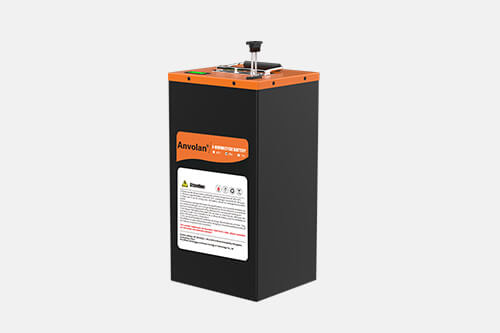
The core feature of high-capacity lithium-ion batteries is to achieve higher power storage within a limited volume and weight. Their capacity is usually more than 30% higher than that of ordinary lithium-ion batteries, and the energy density can exceed 260Wh/kg, with high-end products even reaching more than 350Wh/kg. They can not only meet the long-term power supply needs of large-scale equipment, but also realize the lightweight upgrade of equipment. Compared with ordinary capacity lithium-ion batteries, high-capacity lithium-ion batteries not only have significant advantages in capacity, but also achieve synchronous improvement in core indicators such as cycle life, charge and discharge efficiency and safety, avoiding the industry pain point of "high capacity accompanied by high risk". Through technologies such as electrode material modification, electrolyte optimization and cell structure upgrading, they have achieved a dual breakthrough in capacity and safety.
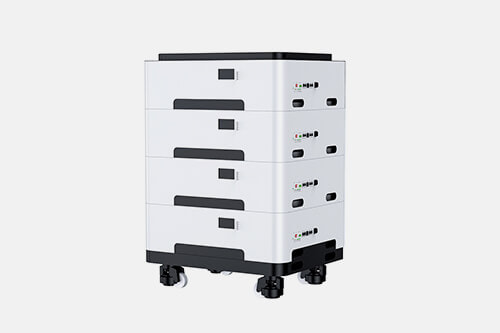
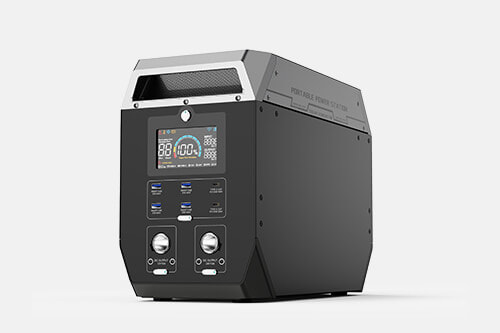
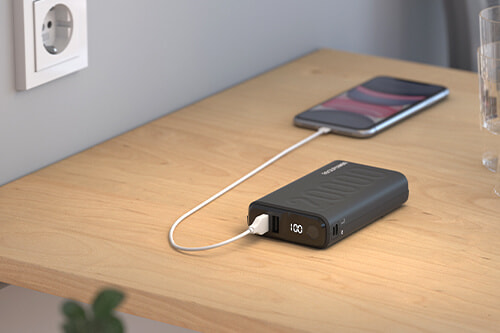
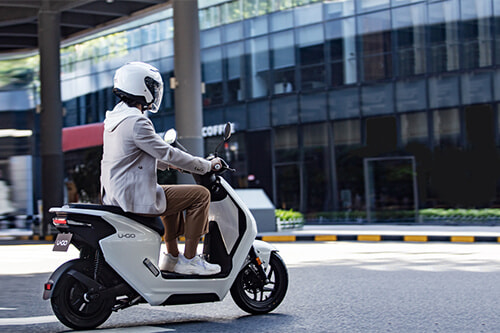
High-capacity lithium-ion batteries have a wide range of adaptive scenarios, accurately matching the high power needs of different fields: in the field of new energy vehicles, vehicles equipped with high-capacity lithium-ion batteries can achieve a comprehensive range of more than 1000 kilometers, completely solving users' range anxiety, reducing the frequency of charging, adapting to long-distance travel needs, and becoming the core configuration of high-end new energy vehicles; in the field of energy storage, high-capacity lithium-ion batteries can realize large-scale electrical energy storage, adapt to the energy storage needs of renewable energy such as solar energy and wind energy, relieve the pressure on the power grid, and realize the efficient allocation of electrical energy; in the field of portable electronic devices, small high-capacity lithium-ion batteries can greatly extend the service time of mobile phones, laptops, drones and other devices, reduce the number of charges, and improve the convenience of use; in the field of special equipment, high-capacity lithium-ion batteries can provide long-term and stable power support for outdoor operation equipment and emergency rescue equipment, ensuring the continuous operation of equipment in complex environments.
In addition, high-capacity lithium-ion batteries have excellent comprehensive performance: the cycle life can reach 2000-5000 times, which can meet the long-term use needs of various equipment for 5-10 years, reducing replacement costs; the charge and discharge efficiency can reach more than 90%, reducing energy loss and improving electrical energy utilization; built-in intelligent BMS battery management system, real-time monitoring of cell status, realizing balanced charge and discharge control, with multiple protection functions such as overcharge, over-discharge, short circuit and over-temperature to ensure safe use; at the same time, it has no heavy metal pollution and can be recycled, which conforms to the concept of green and low-carbon development. With the continuous iteration of technology, the cost of high-capacity lithium-ion batteries is gradually reduced, and the application scenarios are constantly expanding, further promoting the new energy industry to develop in a more efficient and long-term direction, and becoming the core development direction of the future energy storage and power supply fields.
Be the first to receive our latest news, how-to user guides,
and exclusive deals! Subscribe now.

 Headquarter Address:10F, Building 25, N0. 179 Fengguan, Dongshen Road, Dongguan, Guangdong
 Factory Address:Building 3, Area D, Shengyang Science and Technology Industrial Park, East District of Suichuan County Industrial Park, Ji'an, Jiangxi
 Headquarter Telephone No.:+86 769 2366 8529
Factory Telephone No.:+86 796 6111618
 Contact Person:Kevin Chen
 Email Address:chen@xpower-world.com