Global layout
 +86 769 2366 8529




Time:2026-05-16 Views:47
Battery 72V: Analysis of Raw Material Control, Mass Production Cost and Full Life Cycle Economy
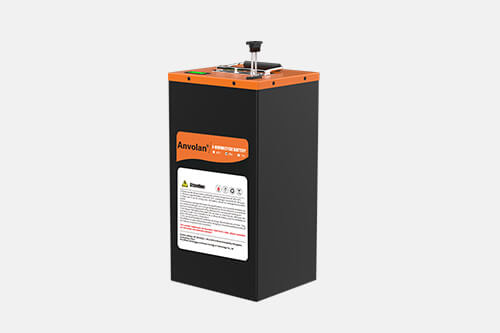
As the core component of high-power DC energy storage power supply, the 72V high-voltage lithium battery is mostly used in high-speed transportation, heavy-duty machinery and commercial energy storage equipment. Compared with low-voltage batteries such as 48V and 60V, it has more series-connected cells and complex high-voltage integration processes. From a purecost perspective, this article disassembles the raw material cost, mass production cost, storage and transportation loss cost, and later operation & replacement cost of 72V lithium batteries. It objectively analyzes the comprehensive price difference between traditional lead-acid batteries and ordinary high-voltage lithium batteries. For cross-border wholesalers, equipment manufacturers and energy storage supply chain enterprises, understanding the cost composition of 72V batteries is the key to optimizing procurement budgets, reducing comprehensive operating expenses and improving terminal product profits.
Raw material cost forms the fundamental pricing basis of 72V batteries. Cells,BMS circuit boards and structural shells are the three major cost modules. The 72V high-voltage battery adopts more than 20 series-connected ternary lithium cells with capacity deviation strictly controlled within 2% to avoid premature attenuation caused by excessive voltage difference. Large-scale centralized procurement effectively reduces the unit price of cells, cutting raw material costs by 12%-18% compared with small-batch customized purchases. The integrated BMS chip simplifies the circuit structure while maintaining multiple protections such as overvoltage, overcurrent and temperature control, reducing electronic control manufacturing costs. The flame-retardant modified ABS shell replaces expensive alloy casings, balancing anti-collision and flame-retardant performance and controlling structural processing costs.
Optimized mass production processes further reduce manufacturing expenses. The automated dust-free production line adopts constant-temperature packaging to unify cell arrangement, spot welding and packaging standards, lowering manual rework loss. The defective rate of manually assembled high-voltage batteries reaches 6.5%, while automated production limits the scrap rate within 2.8%. Universal standard molds eliminate extra customized mold fees and fit most mainstream 72V electric vehicles and energy storage equipment. Mature high-voltage integration simplifies packaging procedures, shortens production cycles and dilutes the unit manufacturing cost by improving production capacity.
Controllable warehousing and cross-border logistics costs adapt to bulk foreign trade turnover. With integrated insulation and shockproof reinforcement, the compact 72V lithium battery is more than 60% lighter than lead-acid batteries of the same capacity, greatly cutting sea and land transportation freight. Standard outer packaging enhances stacking stability and container loading efficiency to reduce space waste. Every battery passes strict insulation and high-voltage tests before delivery, lowering logistics insurance fees and customs inspection losses. Its monthly self-discharge rate is less than 3%, requiring no frequent supplementary charging and minimizing warehouse maintenance costs for bulk inventory.
Low life-cycle operation costs bring prominent long-term economic benefits. The 72V lithium battery achieves over 1,500 charge-discharge cycles, far exceeding the 350-cycle limit of lead-acid batteries. One lithium battery can replace 4 to 5 sets of lead-acid batteries, greatly reducing subsequent replacement expenses. The intelligent balance management system automatically corrects voltage difference without manual regular maintenance, saving labor costs. It stably operates between -15℃ and 55℃ with low failure rates, effectively cutting after-sales maintenance and return loss costs.
Although the one-time procurement price of 72V lithium batteries is higher than lead-acid batteries, the comprehensive life-cycle cost is reduced by more than 40% considering raw materials, production, logistics, operation and replacement. Currently, 72V high-voltage batteries are widely applied in high-speed electric vehicles, heavy-duty agricultural machinery, off-grid commercial energy storage and mobile engineering equipment. Featuring controllable costs, stable performance and low loss, standardized mass-produced 72V batteries have become highly cost-effective products in the high-voltage energy storage track, serving as an economical priority for cross-border buyers of high-power energy storage equipment.
Be the first to receive our latest news, how-to user guides,
and exclusive deals! Subscribe now.

 Headquarter Address:10F, Building 25, N0. 179 Fengguan, Dongshen Road, Dongguan, Guangdong
 Factory Address:Building 3, Area D, Shengyang Science and Technology Industrial Park, East District of Suichuan County Industrial Park, Ji'an, Jiangxi
 Headquarter Telephone No.:+86 769 2366 8529
Factory Telephone No.:+86 796 6111618
 Contact Person:Kevin Chen
 Email Address:chen@xpower-world.com