Global layout
 +86 769 2366 8529




Time:2026-08-10 Views:69
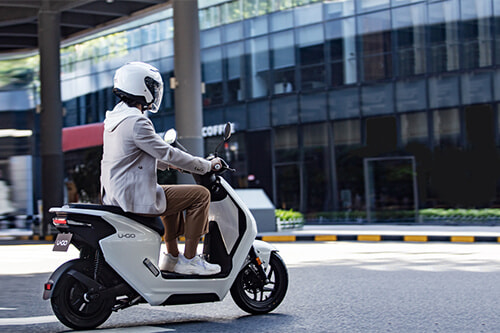
As the core power component of electric motorcycles, batteries directly determine the vehicle’s cruising range, riding experience and service life, and serve as a crucial guarantee for daily riding safety. Many electric motorcycle owners encounter problems such as reduced cruising range, battery bulging and premature scrapping, which are mostly caused by improper battery selection and incorrect usage habits. Selecting, using and maintaining electric motorcycle batteries properly can not only reduce vehicle usage costs but also fully ensure riding safety.
When purchasing electric motorcycle batteries, compliance and quality certification are the top priorities. Qualified electric motorcycle batteries on the market must have complete CCC certification, product qualification certificates and regular manufacturer qualifications, and unlicensed and inferior products must be avoided. There are two mainstream battery types: lead-acid batteries and lithium batteries, suitable for different usage needs. Lead-acid batteries feature high cost performance, stable performance, good impact resistance and low maintenance costs, ideal for daily short-distance commuting and budget-conscious users. Lithium batteries have the advantages of light weight, high cruising range and strong power output with higher energy density, perfectly matching high-speed electric motorcycles, long-distance travel and high-frequency commuting scenarios. Lithium iron phosphate batteries offer high safety, high temperature resistance and long cycle life, while ternary lithium batteries excel in low-temperature performance and power output, allowing users to choose according to regional climate and riding scenarios.
Parameter matching is the core of battery selection. Blindly pursuing large-capacity batteries is not advisable. The battery parameters must match the motor power and original vehicle voltage specifications; mismatched parameters will lead to insufficient power and charging failures, and even cause potential safety hazards. It is recommended to choose batteries equipped with a BMS (Battery Management System), which can intelligently prevent overcharging, overdischarging and short circuits, greatly improving battery safety and stability.
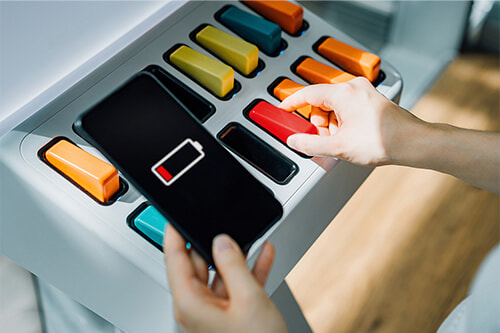
Scientific maintenance is the key to extending battery life, and most premature battery failures stem from bad usage habits. Follow the "shallow charge and shallow discharge" principle in daily use: charge the battery in time when the remaining power is 20%-30%, and never drain the battery completely to avoid core damage caused by deep power loss. Use original supporting chargers for charging, avoid long-term use of inferior fast charging devices, and charge in cool and ventilated environments, away from high-temperature exposure and low-temperature confined spaces. For long-term idle vehicles, keep the battery power at about 50% and charge it regularly every month to prevent battery scrapping due to self-discharge and power loss.
Only high-quality batteries combined with scientific maintenance can maximize the performance of electric motorcycles. Choosing compliant and matched batteries and developing standardized charging and discharging habits can stabilize the cruising range and power, effectively extend battery service life, avoid riding safety hazards, and ensure safe and reliable travel every time.
Be the first to receive our latest news, how-to user guides,
and exclusive deals! Subscribe now.

 Headquarter Address:10F, Building 25, N0. 179 Fengguan, Dongshen Road, Dongguan, Guangdong
 Factory Address:Building 3, Area D, Shengyang Science and Technology Industrial Park, East District of Suichuan County Industrial Park, Ji'an, Jiangxi
 Headquarter Telephone No.:+86 769 2366 8529
Factory Telephone No.:+86 796 6111618
 Contact Person:Kevin Chen
 Email Address:chen@xpower-world.com