Global layout
 +86 769 2366 8529




Time:2026-07-02 Views:38
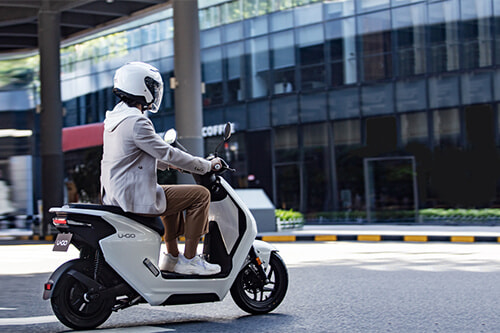
In diverse travel scenarios such as urban commuting, short-distance travel, daily transportation and intra-city distribution, electric motorcycles have become mainstream two-wheel travel tools for the public due to their advantages of fast acceleration, flexible control, efficient passage and low energy consumption. As the core power heart of the whole vehicle, batteries for electric motorcycle directly determine the cruising range, power performance, riding safety and overall service life of electric motorcycles, serving as the core key to affect riding experience and vehicle quality. Traditional electric motorcycles are mostly equipped with lead-acid batteries, which have many problems such as bulky and low efficiency, reduced cruising range, short service life and potential safety hazards, and can no longer adapt to the development needs of modern electric motorcycles with high performance, intelligence and long endurance. Nowadays, the upgraded and optimized professional batteries for electric motorcycle have fully replaced traditional batteries with multiple core advantages including lightweight design, high energy density, strong power output, ultra-long cycle life, stable safety and green energy saving, promoting the comprehensive upgrading of electric motorcycles from basic transportation tools to high-performance, high-quality and intelligent travel carriers. Based on the riding scenarios, performance requirements and user pain points of electric motorcycles, this article comprehensively analyzes the technical advantages, category differences, selection skills, usage specifications and maintenance key points of batteries for electric motorcycle, providing professional and comprehensive references for riding enthusiasts, distribution practitioners and vehicle dealers.
Different from ordinary electric bicycles, electric motorcycles have higher speed, stronger power output and wider application scenarios, and have stricter standards for the discharge performance, stability, cruising ability and compatibility of supporting batteries. At present, electric motorcycles in the market are mainly divided into three categories: household commuting type, long-distance motorcycle touring type and commercial distribution type. These vehicle types have significantly different working conditions, leading to diverse performance requirements for batteries for electric motorcycle. Household commuting electric motorcycles focus on stable cruising and safety durability to meet short-distance travel needs such as daily commuting, shopping and picking up. Long-distance motorcycle touring models require batteries with high energy density and low attenuation characteristics to adapt to long-term and long-distance continuous riding. Commercial electric motorcycles for express delivery and takeout distribution feature high usage frequency, frequent charging and discharging and heavy working load, which put forward extremely high requirements for battery fast charging capability, cycle life and continuous discharge stability. For a long time, traditional lead-acid batteries have been the mainstream supporting batteries for electric motorcycles. However, with the upgrading of public travel demands, their inherent shortcomings have been continuously amplified, becoming the core bottleneck restricting the performance upgrading of electric motorcycles.
Traditional lead-acid batteries for electric motorcycle have prominent drawbacks, which seriously affect the riding experience and service cost of electric motorcycles. Firstly, they have disadvantages in weight and energy efficiency. Lead-acid batteries have extremely low energy density with large size and heavy weight under the same capacity, greatly increasing the overall weight of electric motorcycles. This not only causes slow vehicle start, bulky operation and reduced steering flexibility, but also increases the working load of the motor and invalid energy consumption, resulting in actual cruising range far lower than the theoretical parameters, especially when climbing slopes, carrying people or heavy loads. Secondly, they have a short service life. The cycle charging and discharging times of conventional lead-acid batteries are only 300-500. For commercially used electric motorcycles with high-frequency use, the service life is only about 1 year, and 2-3 years for household use, requiring frequent battery replacement and leading to high long-term use costs. In terms of charging efficiency, lead-acid batteries take 8 to 12 hours to charge with low speed, failing to meet the high-intensity and uninterrupted operation needs of the distribution industry and greatly reducing travel and operation efficiency. More importantly, lead-acid batteries have poor safety stability. They are prone to bulging, liquid leakage and internal plate aging after long-term use. Under working conditions such as high-temperature exposure, overcharging, overdischarging and bumpy riding, they may easily cause short circuits, fires and other potential safety hazards. In addition, waste lead-acid batteries contain heavy metal pollutants and will cause ecological pollution if improperly disposed, which is inconsistent with the development trend of green travel.
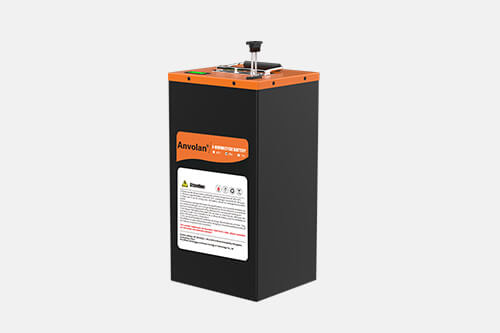
Compared with traditional lead-acid batteries, the new generation of professional batteries for electric motorcycle specifically solves all usage pain points of electric motorcycles, comprehensively improves the overall riding performance of vehicles from the core of power, and has become the standard core component of modern electric motorcycles. At present, mainstream electric motorcycle dedicated batteries in the market are mainly lithium iron phosphate and ternary lithium batteries. Both are optimized for special working conditions, perfectly adapting to the core needs of electric motorcycles for high-speed rotation, high discharge and high-frequency use, and have multiple irreplaceable core advantages. In terms of lightweight and energy efficiency, lithium-ion batteries for electric motorcycle show outstanding advantages. Under the same capacity specification, the weight of lithium batteries is only one-third of that of lead-acid batteries, and the volume is nearly halved, greatly reducing the overall vehicle load. The lightweight body enables electric motorcycles to start faster, accelerate more linearly, run more stably at high speed, and have comprehensively optimized steering, lane changing and climbing performance. Meanwhile, it effectively reduces motor energy consumption loss and greatly improves cruising ability. Under the same working conditions, the actual cruising range of vehicles equipped with lithium batteries is 40%-60% longer than that of lead-acid battery models, completely solving the problems of frequent charging for short-distance commuting and range anxiety for long-distance riding.
In terms of power output and working condition adaptability, high-quality batteries for electric motorcycle support high-rate continuous discharge with strong and stable power output. They can perfectly meet the acceleration needs of high-power motor electric motorcycles, with no obvious power attenuation under full power and low power states. The vehicles have sufficient power when carrying passengers, climbing slopes and riding at high speed without power weakness and stalling, greatly improving the riding texture. For high-intensity usage scenarios such as commercial distribution and long-distance motorcycle touring, these batteries have strong adaptability to working conditions, support high-frequency charging and discharging, maintain stable continuous discharge without heat generation, and keep stable performance during long-term continuous riding without power reduction and sudden range drop due to overheating, perfectly adapting to all-weather uninterrupted travel and operation needs. At the same time, the new generation of batteries for electric motorcycle has excellent fast charging performance. The charging time of conventional lithium batteries can be shortened to 2-3 hours, and high-power fast charging models can realize rapid energy replenishment in half an hour, greatly reducing charging waiting time, completely getting rid of the constraints of slow charging of traditional batteries, and significantly improving travel and operation efficiency.
Service life and comprehensive cost performance are the core competitiveness of batteries for electric motorcycle and the key reasons for their rapid popularization. Regular brand electric motorcycle dedicated lithium batteries adopt high-standard automotive-grade cells, processed through precise voltage and internal resistance grading and grouping technology with high cell consistency and stable performance. Their cycle service life can reach more than 2000 times, and the normal service life can be 6-8 years under standardized use, 3-4 times that of traditional lead-acid batteries. Although the initial purchase cost of lithium batteries is higher than that of lead-acid batteries, their ultra-long service life eliminates frequent replacement, greatly reduces the cost of later maintenance and replacement, and has far lower long-term comprehensive use cost than traditional batteries with obvious cost performance advantages. Meanwhile, lithium batteries have an extremely low self-discharge rate, slow power loss in idle state, and are not prone to power deficit aging after long-term parking, perfectly solving the problem of battery scrapping caused by idle storage of electric motorcycles and greatly reducing idle loss, adapting to different scenarios of low-frequency household use and high-frequency commercial use.
Safety performance is the top priority of travel and riding, and also the core focus of the iterative upgrading of batteries for electric motorcycle. Compliant electric motorcycle dedicated batteries are all equipped with an intelligent BMS (Battery Management System) with high-precision detection chips, which can real-timely monitor core battery data such as single cell voltage, working temperature, charging and discharging current and internal resistance. They have multiple intelligent protection functions including over-charging, over-discharging, over-current, short circuit, high temperature, low voltage and over-power protection, and will automatically cut off power immediately when abnormal working conditions are detected to eliminate potential safety hazards from the source. In terms of structural design, high-quality batteries for electric motorcycle adopt fully sealed explosion-proof shells and flame-retardant heat-insulating materials. The cells have passed special tests of shock resistance, extrusion resistance and puncture resistance, with excellent waterproof, moisture-proof, impact-resistant and high-temperature resistant performance, adapting to complex outdoor working conditions such as bumping, vibration and rain washing during riding. Among them, lithium iron phosphate batteries have excellent thermal stability and are not prone to thermal runaway in high-temperature environments with higher safety factors, making them the preferred choice for household and commercial electric motorcycles. Ternary lithium batteries feature higher energy density and stronger power, suitable for advanced motorcycle touring models pursuing long endurance and high performance, fully meeting the safety and performance needs of different users.
The upgrading of compatibility and intelligence further optimizes the riding experience of electric motorcycles with batteries for electric motorcycle. At present, electric motorcycle dedicated batteries on the market adopt standardized and modular design, covering full series of mainstream voltage specifications such as 48V, 60V, 72V and 96V, which are perfectly compatible with all categories of electric motorcycles including national standard electric motorcycles, high-power high-performance electric motorcycles, retro electric motorcycles and off-road electric motorcycles. They can directly replace traditional batteries without vehicle circuit modification with strong compatibility. Meanwhile, most new-style batteries for electric motorcycle are equipped with intelligent interconnection functions, supporting Bluetooth and remote APP monitoring. Users can real-timely check the remaining battery power, estimated cruising range, charging status, battery health and cycle times to accurately grasp vehicle conditions, effectively avoiding problems such as low-power riding, overcharging and battery aging. Some high-end batteries also have low-temperature preheating function, which can effectively improve battery power attenuation and power reduction in low-temperature winter environments, enabling electric motorcycles to maintain stable cruising range and power in cold weather and expand the applicable scenarios and regions of vehicles.
Scientific selection and standardized maintenance are the key to maximize the performance of batteries for electric motorcycle, extend battery service life and ensure riding safety. In terms of battery selection, users need to accurately match according to their own riding scenarios: for daily short-distance urban commuting, priority should be given to lithium iron phosphate batteries with high stability and safety, balancing cost performance and durability; for long-distance motorcycle touring and high-speed riding needs, ternary lithium batteries with high energy density can be selected to obtain longer cruising range and stronger power; for high-frequency commercial distribution scenarios, priority should be given to special power batteries with high power, long cycle life and fast charging support to adapt to high-intensity operation needs. At the same time, it is necessary to strictly match the vehicle motor power with battery voltage and capacity specifications, avoiding battery overload loss and insufficient power caused by small-capacity batteries equipped with high-power motors.
In daily use and maintenance, first of all, special supporting chargers must be used for charging, and mixed use of inferior and high-power chargers is prohibited to avoid cell damage and potential safety hazards. Develop the habit of shallow charging and shallow discharging, and try to avoid charging after the battery is completely exhausted, so as to effectively maintain cell activity and delay performance attenuation. When the electric motorcycle is idle for a long time, keep the battery power at 50%-70% and replenish power every 1-2 months to prevent battery aging and increased internal resistance caused by power deficit. During riding, avoid frequent rapid acceleration, sudden speed increase and long-term full-load slope climbing to reduce battery loss caused by instantaneous high-current discharge. Regularly check the battery connection ports to keep them dry and firm, preventing poor conductivity and potential safety hazards caused by loosening, oxidation and water ingress. Meanwhile, private disassembly, modification and stacking of batteries are strictly prohibited to avoid damaging the battery protection structure and BMS intelligent system and causing safety accidents.
Judging from the development trend of the electric motorcycle industry, high performance, long endurance, high safety, low energy consumption and intelligence are inevitable development directions. As the core power component of the whole vehicle, batteries for electric motorcycle are the core driving force for the iterative upgrading and quality innovation of the electric motorcycle industry. The low efficiency, short service life and high risk of traditional lead-acid batteries can no longer adapt to the travel needs of modern users and the green development trend of the industry. With all-round performance advantages, high-performance lithium-ion batteries for electric motorcycle have gradually become the mainstream industry standard configuration. Whether for daily household transportation, leisure motorcycle touring, or commercial intra-city distribution, high-quality electric motorcycle batteries can comprehensively improve the riding texture, cruising range and safety factor of vehicles and reduce long-term use costs. In the future, with the continuous iteration of power battery technology, gradual cost optimization and continuous improvement of safety standards, batteries for electric motorcycle will continue to upgrade towards higher energy density, stronger safety performance, more intelligent control and longer service life, continuously empowering the high-quality, green and intelligent development of the electric motorcycle industry and bringing safer, more efficient and more comfortable two-wheel travel experience for billions of users.
Be the first to receive our latest news, how-to user guides,
and exclusive deals! Subscribe now.

 Headquarter Address:10F, Building 25, N0. 179 Fengguan, Dongshen Road, Dongguan, Guangdong
 Factory Address:Building 3, Area D, Shengyang Science and Technology Industrial Park, East District of Suichuan County Industrial Park, Ji'an, Jiangxi
 Headquarter Telephone No.:+86 769 2366 8529
Factory Telephone No.:+86 796 6111618
 Contact Person:Kevin Chen
 Email Address:chen@xpower-world.com