Global layout
 +86 769 2366 8529




Time:2026-04-23 Views:87
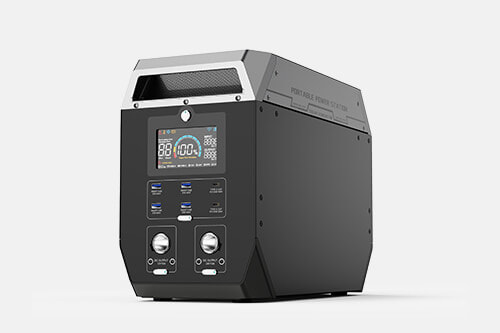
The waterproof and dustproof rating of portable power stations is a critical indicator of their adaptability to outdoor environments, as it directly determines the device’s ability to operate normally in dusty, rainy, or humid conditions. These ratings are typically defined by the IP (Ingress Protection) standard issued by the International Electrotechnical Commission (IEC), which consists of two digits: the first digit represents the dustproof level (ranging from 0 to 6), and the second digit represents the waterproof level (ranging from 0 to 9K). For most portable power stations, the common IP ratings range from IP54 to IP67, with higher ratings indicating stronger protection against dust and water.
Dustproof protection is primarily aimed at preventing solid particles such as dust, sand, and debris from entering the device’s internal components, which could cause short circuits, component wear, or performance degradation. A dustproof rating of IP5X means the device is completely protected against dust ingress that could affect its normal operation, while IP6X indicates complete dust tightness, ensuring no dust can enter the device even in extremely dusty environments such as construction sites or deserts. For example, the EcoFlow DELTA Pro 3 features the industry’s first IP65-rated battery pack, providing strong resistance against dust and water intrusion. To achieve these dustproof levels, manufacturers adopt sealed structural designs for the casing, using high-quality gaskets and seals at the joints, ports, and vents. The vents are often equipped with dust filters made of non-woven fabric or metal mesh, which allow air circulation for heat dissipation while blocking dust particles.
Waterproof protection is designed to prevent water from entering the device and damaging internal electrical components. The waterproof rating ranges from IPX0 (no protection) to IPX9K (protection against high-pressure, high-temperature water jets). For outdoor portable power stations, the most common waterproof ratings are IPX4 (protection against splashing water from any direction) and IPX5 (protection against low-pressure water jets). Some high-end models designed for harsh environments, such as camping in rainy areas or near water sources, can reach IPX6 or even IP67, which means the device can be immersed in water at a depth of 1 meter for up to 30 minutes without damage. The EcoFlow DELTA Pro 3’s IP65 rating ensures resilience against water splashes and dust, making it suitable for use in various weather conditions. To achieve waterproof performance, manufacturers use waterproof gaskets made of silicone or nitrile rubber at all openings, such as USB ports, AC outlets, and charging ports, and design the casing with a seamless structure to avoid water seepage. Additionally, the internal circuit boards are treated with waterproof coating to further enhance water resistance.
It is important to note that the waterproof and dustproof rating of a portable power station is not permanent and may degrade over time due to wear and tear of seals, aging of materials, or physical damage. Therefore, users should regularly inspect the device’s seals and ports, avoid using the device in environments exceeding its rated protection level, and clean the dust filters regularly to maintain optimal protection performance. For example, after using the device in a dusty environment, users should wipe the casing and clean the vents to prevent dust accumulation. In rainy conditions, even with a high waterproof rating, it is recommended to avoid direct exposure to heavy rain for an extended period to prolong the device’s service life. Overall, the waterproof and dustproof rating is a key factor to consider when choosing a portable power station, especially for users who frequently use the device outdoors.
Be the first to receive our latest news, how-to user guides,
and exclusive deals! Subscribe now.

 Headquarter Address:10F, Building 25, N0. 179 Fengguan, Dongshen Road, Dongguan, Guangdong
 Factory Address:Building 3, Area D, Shengyang Science and Technology Industrial Park, East District of Suichuan County Industrial Park, Ji'an, Jiangxi
 Headquarter Telephone No.:+86 769 2366 8529
Factory Telephone No.:+86 796 6111618
 Contact Person:Kevin Chen
 Email Address:chen@xpower-world.com