Global layout
 +86 769 2366 8529




Time:2026-06-09 Views:166
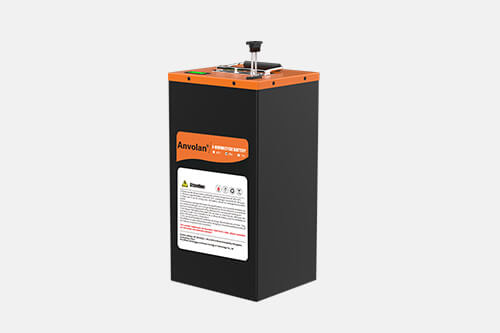
Motorized tricycles, including passenger and cargo models, are widely used in rural areas, suburban logistics, and short-distance freight transportation due to their strong load-bearing capacity and wide road adaptability. The tricycle battery for motorized tricycles is specially developed for heavy-load, high-torque, and long-time continuous operation scenarios, focusing on high power output, strong load resistance, and ultra-long durability. Unlike light-duty three-wheel scooter batteries, motorized tricycle batteries need to withstand frequent heavy-load starts, climbing driving, and long-distance continuous operation, so they have higher requirements for battery stability, instantaneous discharge capacity, and structural firmness.
High-voltage and high-capacity LiFePO4 batteries are the optimal power solution for modern motorized tricycles, gradually replacing traditional lead-acid battery packs. Most cargo and passenger motorized tricycles are equipped with 60V and 72V high-voltage battery systems, with capacities ranging from 80Ah to 150Ah, which can provide strong instantaneous power to support the tricycle’s stable start and smooth climbing under full-load conditions. The high-rate discharge performance of professional motorized tricycle batteries ensures that the vehicle will not experience power jitter or insufficient power output when carrying heavy goods or multiple passengers, effectively improving driving stability and safety. Compared with lead-acid batteries, LiFePO4 batteries have stronger anti-attenuation ability, and their power retention rate can still reach more than 80% after long-term heavy-load use.
Structural durability and environmental adaptability are the key advantages of motorized tricycle dedicated batteries. The battery core is wrapped with high-strength shock-absorbing materials, and the overall structure is reinforced and compressed, which can effectively resist vibration and impact generated by bumpy mountain roads, rural dirt roads and other complex road conditions, avoiding battery core damage and circuit failure caused by long-term vibration. The battery also has excellent high and low temperature resistance, which can work stably in the temperature range of -20℃ to 60℃, adapting to high-temperature outdoor operation in summer and low-temperature driving in winter, without affecting the normal freight and passenger transportation schedule due to temperature changes.
From the perspective of economic benefits and operational efficiency, motorized tricycle tricycle batteries have significant long-term cost advantages. Although the initial purchase cost of lithium batteries is higher than that of lead-acid batteries, their ultra-long cycle life of 3000+ times reduces the frequency of battery replacement, saving a lot of subsequent maintenance and replacement costs for users. In addition, the high energy conversion efficiency of lithium batteries reduces electric energy waste, cutting daily power consumption costs. The built-in intelligent monitoring system can track battery health status in real time, helping users timely discover and solve potential faults, reduce vehicle downtime, and greatly improve the operational efficiency of motorized tricycles in freight and passenger transport scenarios.
Be the first to receive our latest news, how-to user guides,
and exclusive deals! Subscribe now.

 Headquarter Address:10F, Building 25, N0. 179 Fengguan, Dongshen Road, Dongguan, Guangdong
 Factory Address:Building 3, Area D, Shengyang Science and Technology Industrial Park, East District of Suichuan County Industrial Park, Ji'an, Jiangxi
 Headquarter Telephone No.:+86 769 2366 8529
Factory Telephone No.:+86 796 6111618
 Contact Person:Kevin Chen
 Email Address:chen@xpower-world.com