Global layout
 +86 769 2366 8529




Time:2026-04-15 Views:84
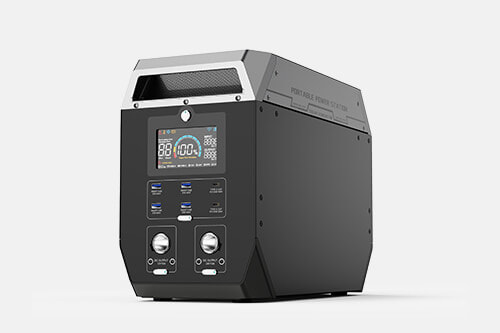
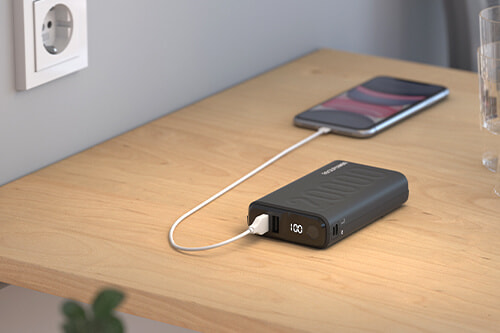
Weight is one of the most critical factors affecting the portability of portable power stations, as it directly determines how easily the device can be carried, transported, and used in various scenarios. Unlike traditional power banks, which are lightweight and pocket-sized, portable power stations have larger battery capacities and more powerful components, resulting in greater weight. The balance between weight and capacity is a key consideration for users, as a heavier unit may offer more power but become cumbersome to carry, while a lighter unit may be more portable but lack sufficient capacity for high-power or long-duration use.
For most users, a portable power station weighing under 15 pounds (approximately 6.8 kg) is considered “lightweight” and sufficiently portable for everyday use, camping, and emergency situations. Units in this weight range can be comfortably carried by hand, placed in a backpack, or transported to a car, campsite, or workspace without excessive effort. Within this range, there are further distinctions: ultralight models (≤6 lbs or 2.7 kg) are ideal for everyday carry, flights, and day hikes, as they can be easily tossed into a backpack without adding significant bulk. Light models (6–10 lbs or 2.7–4.5 kg) are suitable for weekend camping, van life, and short trips, offering a balance between portability and capacity. Portable models (10–15 lbs or 4.5–6.8 kg) provide more capacity without sacrificing too much mobility, making them suitable for longer outdoor trips or backup power for multiple devices.
Heavier portable power stations, typically those weighing more than 15 pounds, are less portable and are often used in fixed or semi-fixed scenarios, such as home backup power, off-grid living, or job sites where mobility is not a primary concern. These units usually have larger battery capacities (over 1000Wh) and higher power outputs, making them capable of powering multiple high-wattage appliances simultaneously. However, their weight makes them difficult to carry for extended periods, and they often require a cart, dolly, or multiple people to transport. The weight of a portable power station is closely related to its battery chemistry and capacity; lithium-iron phosphate (LiFePO4) batteries, which are widely used for their safety and long cycle life, are slightly heavier than lithium-ion (Li-ion) batteries, but the difference is often negligible compared to the overall weight of the unit.
Another important metric to consider is the capacity-to-weight ratio (Wh per pound), which indicates how much energy the unit can store per pound of weight. A higher ratio means the power station offers more capacity without adding unnecessary weight, making it more efficient in terms of portability. For example, a unit with a capacity-to-weight ratio of 48 Wh per pound is more efficient than one with 35 Wh per pound, as it can provide more power for the same weight. This ratio is particularly important for users who need to carry the power station for long distances, such as hikers or campers, as it allows them to maximize energy storage while minimizing the burden of weight. Ultimately, the impact of weight on portability depends on the user’s specific needs: those who prioritize mobility will opt for lighter units, while those who need more power will accept a heavier, less portable design.
Be the first to receive our latest news, how-to user guides,
and exclusive deals! Subscribe now.

 Headquarter Address:10F, Building 25, N0. 179 Fengguan, Dongshen Road, Dongguan, Guangdong
 Factory Address:Building 3, Area D, Shengyang Science and Technology Industrial Park, East District of Suichuan County Industrial Park, Ji'an, Jiangxi
 Headquarter Telephone No.:+86 769 2366 8529
Factory Telephone No.:+86 796 6111618
 Contact Person:Kevin Chen
 Email Address:chen@xpower-world.com