Global layout
 +86 769 2366 8529




Time:2026-09-24 Views:174
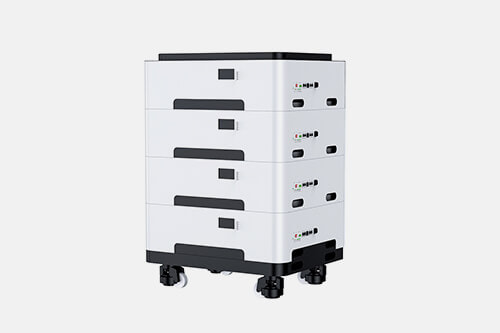
With the popularization of distributed photovoltaic energy, integrated photovoltaic and energy storage systems in residential buildings, industrial and commercial plants, and remote base stations have gradually become the mainstream mode of clean energy utilization. Photovoltaic power generation is intermittent and volatile. Power generation is sufficient with adequate sunlight during the day, while stable power supply cannot be guaranteed at night or on rainy and cloudy days. Relying solely on photovoltaic panels fails to achieve continuous energy supply. As the core supporting unit of photovoltaic systems, energy storage equipment undertakes key functions including power storage, peak shaving and valley filling, and voltage stabilization, directly determining the operational stability and energy utilization efficiency of the entire photovoltaic system. Among various energy storage categories, new energy storage devices adapted to photovoltaic scenarios have gradually replaced traditional products due to excellent comprehensive performance, becoming the preferred solution for photovoltaic supporting applications.
Traditional photovoltaic energy storage mostly adopts lead-acid energy storage devices, which have low initial procurement costs but many unavoidable application shortcomings. Such equipment features low energy density and bulky size, occupying a large installation space, and has a short cycle life with significant capacity attenuation after frequent charge and discharge cycles. Meanwhile, its limited discharge depth fails to fully utilize surplus photovoltaic power, resulting in severe energy waste. Its performance fluctuates greatly in high and low temperature environments; high temperature in summer accelerates aging, while low temperature in winter greatly reduces battery life. In addition, traditional equipment requires cumbersome maintenance with regular electrolyte inspection. With a service life of only two to three years, the long-term replacement and labor maintenance costs remain high, making it unable to adapt to the long-term, stable and maintenance-free operation requirements of modern photovoltaic systems.
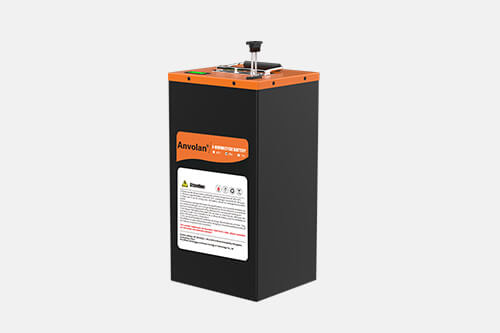
New photovoltaic-specific energy storage equipment effectively solves the pain points of traditional products and fully meets the operating standards of various photovoltaic energy storage scenarios. Adopting a highly stable electrochemical system, the equipment features robust structural stability, fundamentally avoiding potential safety hazards such as thermal runaway, combustion and liquid leakage. It is suitable for all-weather outdoor operation scenarios including residential rooftops, industrial outdoor plants and open-air base stations. Compared with traditional energy storage products, it has a greatly extended cycle life, supporting thousands of charge-discharge cycles with slow long-term capacity attenuation, matching the decades-long service cycle of photovoltaic systems and significantly reducing the comprehensive cost of equipment iteration and replacement.
New photovoltaic energy storage equipment has prominent advantages in energy utilization efficiency. It supports deep discharge to maximize the absorption of surplus photovoltaic power, effectively improving light energy utilization and reducing clean energy waste. Meanwhile, it adapts to the intermittent power generation characteristics of photovoltaics with fast charging response and excellent voltage stabilization performance. It balances voltage fluctuations in photovoltaic power generation, outputs stable electric energy, and protects terminal electrical equipment from damage caused by voltage impact. Built with an intelligent management system, it monitors real-time charging and discharging status, temperature and voltage parameters, and provides multi-layer protection against overcharge, overdischarge, overcurrent and short circuits. It adapts to the unattended operation mode of photovoltaic systems and greatly improves the safety and stability of automatic system operation.
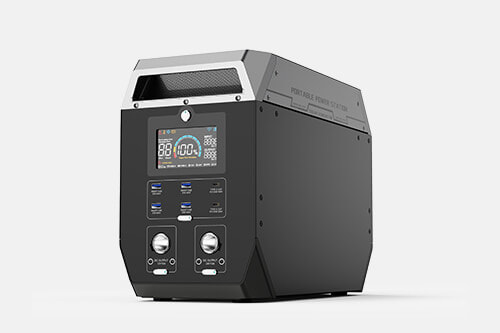
Wide scenario adaptability is the core reason for its popularity, covering both grid-connected and off-grid photovoltaic application scenarios. In grid-connected photovoltaic systems, the equipment stores surplus power generated during the day and releases electricity during peak power consumption hours, effectively cutting peak grid power consumption, reducing users’ electricity bills and alleviating regional grid power supply pressure. In off-grid scenarios without grid coverage, such as remote mountainous areas, field base stations, pastures and forest areas, the integrated photovoltaic and energy storage system realizes completely independent power supply, getting rid of reliance on traditional power grids and providing continuous and stable power support for lighting, household appliances, industrial equipment and monitoring facilities, effectively solving the power supply difficulties in remote areas.
From the perspective of long-term operation and maintenance economy, new photovoltaic energy storage equipment delivers high cost performance. Featuring a maintenance-free design, it requires no regular fluid replenishment or inspection and can operate stably for a long time with only routine cleaning, greatly saving labor maintenance costs. Meanwhile, it has excellent environmental adaptability with high and low temperature resistance, aging resistance, waterproof and dustproof performance, adapting to complex climatic environments in different regions and reducing equipment failure risks caused by extreme weather. Despite higher initial investment than traditional equipment, its advantages of long service life, low failure rate and high energy efficiency result in much lower full-life-cycle costs, making it a core choice for cost reduction and efficiency improvement of photovoltaic energy storage systems.
Driven by carbon peaking and carbon neutrality policies, the distributed photovoltaic energy storage market continues to expand, and the industry has increasingly higher requirements for the safety, stability and durability of energy storage equipment. With the core advantages of safety and stability, high efficiency and energy saving, maintenance-free operation and long service life, photovoltaic-specific new energy storage equipment thoroughly makes up for the shortcomings of traditional energy storage solutions and fully adapts to various civil, commercial and industrial photovoltaic systems. With the continuous iteration of clean energy technology in the future, such high-performance energy storage equipment will be further popularized, continuously improve the efficiency of photovoltaic energy utilization, and support the large-scale, standardized and long-term development of the clean energy industry.
Be the first to receive our latest news, how-to user guides,
and exclusive deals! Subscribe now.

 Headquarter Address:10F, Building 25, N0. 179 Fengguan, Dongshen Road, Dongguan, Guangdong
 Factory Address:Building 3, Area D, Shengyang Science and Technology Industrial Park, East District of Suichuan County Industrial Park, Ji'an, Jiangxi
 Headquarter Telephone No.:+86 769 2366 8529
Factory Telephone No.:+86 796 6111618
 Contact Person:Kevin Chen
 Email Address:chen@xpower-world.com