Global layout
 +86 769 2366 8529




Time:2026-04-15 Views:13
The size specifications of portable power stations are closely linked to their portability, capacity, and functionality, with specific requirements varying based on the intended use case. Unlike fixed power systems, portable power stations must balance compactness with the ability to house a large battery, inverter, cooling system, and multiple output interfaces. The size of a portable power station is typically measured by its length, width, and height, and these dimensions directly affect how easily it can be stored, transported, and used in different environments, such as backpacks, cars, RVs, or small storage spaces.
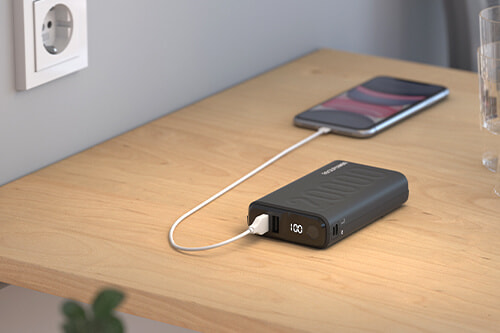
For everyday carry and light outdoor use, portable power stations are designed to be compact and sleek, with dimensions that allow them to fit into a backpack or small bag. These units typically have a capacity of 200Wh to 600Wh and dimensions ranging from approximately 8 inches (20 cm) in length, 5 inches (13 cm) in width, and 4 inches (10 cm) in height. This compact size ensures they can be easily carried by hand or stored in a backpack without taking up too much space, making them ideal for day trips, hotel workdays, and emergency backup for small devices like phones and laptops. The compact design also allows for easy placement in tight spaces, such as under a desk or in a car trunk, without obstructing other items.
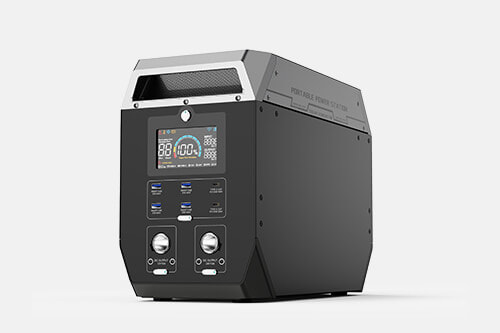
For medium to high-capacity portable power stations (600Wh to 2000Wh), the size increases to accommodate larger batteries and more powerful inverters. These units typically have dimensions ranging from 12 inches (30 cm) to 18 inches (46 cm) in length, 6 inches (15 cm) to 10 inches (25 cm) in width, and 8 inches (20 cm) to 12 inches (30 cm) in height. While they are larger and less compact than smaller models, they still maintain a degree of portability, with many featuring built-in handles for easy carrying. These units are suitable for weekend camping, RV trips, and home backup power, as they can power multiple devices and small appliances while still being transportable in a car or RV storage compartment.
High-capacity portable power stations (over 2000Wh) are larger and bulkier, with dimensions often exceeding 20 inches (51 cm) in length, 10 inches (25 cm) in width, and 12 inches (30 cm) in height. These units are designed for heavy-duty use, such as off-grid living, job sites, and long-term home backup power, and their size reflects their ability to store large amounts of energy and power high-wattage appliances like refrigerators, electric grills, and power tools. While they are less portable, many of these units feature wheels and extendable handles to facilitate transportation, allowing users to move them short distances without excessive effort. The size of a portable power station also affects its cooling efficiency; larger units often have more space for cooling fans and vents, which helps prevent overheating during prolonged use.
In addition to overall dimensions, the size of individual components also plays a role in the overall size specifications. For example, the inverter, which converts DC power from the battery to AC power, takes up significant space, and larger inverters (for higher power outputs) require more room. The battery pack is another major component, with larger capacity batteries requiring more space. Manufacturers often optimize the internal layout to minimize the overall size while maximizing capacity and functionality, ensuring that the power station is as compact as possible without compromising performance. Ultimately, the size specifications of a portable power station must align with the user’s needs, balancing portability with the required capacity and power output.
Be the first to receive our latest news, how-to user guides,
and exclusive deals! Subscribe now.

 Headquarter Address:10F, Building 25, N0. 179 Fengguan, Dongshen Road, Dongguan, Guangdong
 Factory Address:Building 3, Area D, Shengyang Science and Technology Industrial Park, East District of Suichuan County Industrial Park, Ji'an, Jiangxi
 Headquarter Telephone No.:+86 769 2366 8529
Factory Telephone No.:+86 796 6111618
 Contact Person:Kevin Chen
 Email Address:chen@xpower-world.com