Global layout
 +86 769 2366 8529




Time:2026-04-23 Views:58
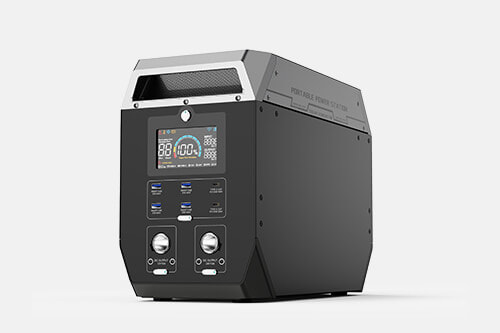
Shock resistance testing is an essential part of the quality control process for portable power stations, as these devices are often transported in vehicles, carried during outdoor activities, or accidentally dropped, which can subject them to significant impact forces. The purpose of shock resistance testing is to verify the device’s ability to withstand mechanical impacts without damage to internal components or loss of performance. These tests are conducted in accordance with international standards such as IEC 62133, IEC 62368-1, and UL 1642, which specify the test methods, impact parameters, and pass criteria to ensure the reliability and safety of the device.
The shock resistance test of portable power stations typically includes three main types of tests: drop test, vibration test, and impact test. The drop test is the most common test, simulating the scenario where the device is accidentally dropped during use or transportation. The test involves dropping the device from different heights (usually 0.5m to 2m) onto a hard surface (such as concrete or steel) from multiple angles, including front, back, left, right, top, and bottom. During the test, the device is fully charged, and its performance is checked before and after the drop, including whether the casing is cracked, the ports are damaged, the battery is leaking, and whether the device can start normally, charge, and discharge. According to industry standards, a qualified portable power station should not have any structural damage or performance degradation after being dropped from 1m onto a concrete surface. For example, models like the Jackery Explorer 1000 Pro undergo drop testing from 4 feet, ensuring they can withstand accidental falls during outdoor use.
The vibration test simulates the vibration environment during transportation, such as in cars, trucks, or ships. The test is conducted using a vibration test bench, which applies sinusoidal or random vibration to the device at different frequencies (usually 10Hz to 500Hz) and amplitudes for a specified period (usually 30 minutes to 2 hours). The purpose of this test is to check whether the internal components of the device, such as the battery pack, inverter, and connectors, are loose or damaged due to long-term vibration. During the test, the device is operated under normal load, and its output voltage, current, and temperature are monitored in real-time to ensure stable performance. Additionally, the vibration test may also simulate the vibration frequency of specific transportation scenarios, such as off-road vehicle vibrations, to ensure the device can adapt to harsh transportation conditions. International standards such as IEC 62660 also specify vibration test protocols for portable power stations, ensuring consistent testing across manufacturers.
The impact test, also known as the shock pulse test, simulates the sudden impact force the device may experience, such as a collision during transportation. The test involves applying a short-duration (usually a few milliseconds) impact force to the device using an impact hammer or drop weight, with the impact force ranging from 1000N to 5000N depending on the device’s size and weight. After the test, the device is inspected for structural damage, internal component integrity, and performance stability. A qualified portable power station should be able to withstand the specified impact force without any leakage, short circuits, or performance loss. Some manufacturers also conduct additional tests, such as the tumble test, which simulates the device being rolled around during transportation, to further verify its shock resistance. Overall, shock resistance testing ensures that portable power stations can withstand the mechanical impacts encountered in daily use and transportation, providing users with a reliable and safe power supply solution.
Be the first to receive our latest news, how-to user guides,
and exclusive deals! Subscribe now.

 Headquarter Address:10F, Building 25, N0. 179 Fengguan, Dongshen Road, Dongguan, Guangdong
 Factory Address:Building 3, Area D, Shengyang Science and Technology Industrial Park, East District of Suichuan County Industrial Park, Ji'an, Jiangxi
 Headquarter Telephone No.:+86 769 2366 8529
Factory Telephone No.:+86 796 6111618
 Contact Person:Kevin Chen
 Email Address:chen@xpower-world.com