Global layout
 +86 769 2366 8529




Time:2026-04-24 Views:57
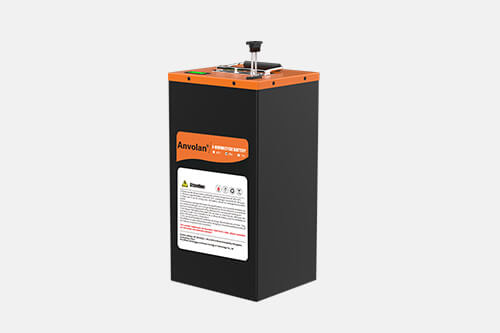
The safe use of golf cart batteries is crucial to the safety of operators, the golf cart itself, and the surrounding environment, as improper use may lead to fire, explosion, electrolyte leakage, electric shock, and other safety accidents. The first specification is the correct charging operation. It is necessary to use a charger that matches the type and specifications of the golf cart battery (such as a lead-acid battery charger for lead-acid batteries and a lithium-ion battery charger for lithium-ion batteries), and never use an incompatible charger, which may cause overcharging, overheating, or even explosion of the battery. Before charging, check the charger for damage, such as broken wires or loose terminals, and ensure that the charging voltage and current meet the battery’s requirements. During charging, the battery should be placed in a well-ventilated area, away from open flames, sparks, and flammable materials (such as gasoline, paper, and cloth), because lead-acid batteries will release hydrogen gas during charging, which is flammable and explosive when mixed with air. Do not cover the battery or charger during charging to avoid overheating, and do not leave the battery unattended during the charging process. After charging is completed, turn off the charger first, then disconnect the power supply, and finally disconnect the battery terminals.
The second specification is the correct use during operation. Do not over-discharge the golf cart battery, that is, do not use the battery until the power is completely exhausted, which will seriously damage the battery plates and reduce the battery’s service life. When the golf cart shows signs of insufficient power (such as slow speed, weak acceleration), stop using it in time and charge the battery. Do not short-circuit the battery terminals, such as using metal tools to connect the positive and negative terminals, which will cause a large current short circuit, leading to overheating, electrolyte leakage, or even explosion. During the operation of the golf cart, avoid severe vibration or impact on the battery, as this may cause damage to the battery case, leakage of electrolyte, or internal short circuit. Do not disassemble, modify, or repair the battery by yourself, especially lithium-ion batteries, which may have internal pressure build-up, and improper disassembly may cause fire or explosion. If the battery is faulty, it should be inspected and repaired by professional technicians.
The third specification is daily inspection and maintenance. Regularly check the battery’s appearance, including whether the case is cracked, leaking, or deformed, and whether the terminals are loose, corroded, or overheated. If corrosion is found on the terminals, disconnect the power supply, clean the terminals with a wire brush, and apply anti-corrosion grease. For lead-acid batteries, regularly check the electrolyte level; if the level is lower than the minimum mark, add distilled water (not tap water) to the specified level, and do not add excessive electrolyte, which may cause leakage. Keep the battery clean and dry, and do not let dust, dirt, or water accumulate on the battery surface. Store the golf cart battery in a cool, dry, and well-ventilated place when it is not in use for a long time. For lead-acid batteries, charge them once a month to prevent sulfation; for lithium-ion batteries, keep the power at 40%-60% to avoid over-discharging or overcharging. In addition, operators should wear protective equipment (such as gloves and goggles) when handling the battery to avoid contact with electrolyte, which may cause skin burns or eye damage. If electrolyte comes into contact with the skin or eyes, rinse with plenty of water immediately and seek medical attention if necessary.
Be the first to receive our latest news, how-to user guides,
and exclusive deals! Subscribe now.

 Headquarter Address:10F, Building 25, N0. 179 Fengguan, Dongshen Road, Dongguan, Guangdong
 Factory Address:Building 3, Area D, Shengyang Science and Technology Industrial Park, East District of Suichuan County Industrial Park, Ji'an, Jiangxi
 Headquarter Telephone No.:+86 769 2366 8529
Factory Telephone No.:+86 796 6111618
 Contact Person:Kevin Chen
 Email Address:chen@xpower-world.com