Global layout
 +86 769 2366 8529




Time:2026-04-15 Views:31
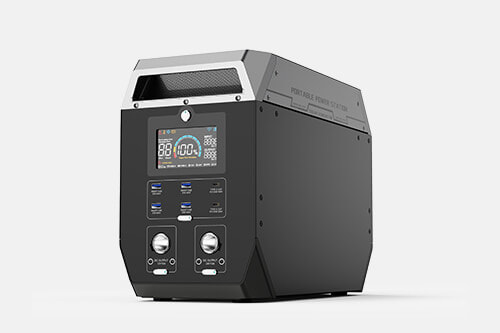
In today’s rapidly transforming global energy landscape, the Solar Power Station is becoming a key infrastructure driving sustainable development. By efficiently harnessing solar energy resources, it converts clean energy into stable electricity output, providing reliable green power solutions for households, industries, and urban grids.
The core of a solar power station consists of a photovoltaic (PV) system, an energy storage battery system, and an intelligent energy management system. The PV modules convert sunlight into direct current (DC) electricity, while the battery storage system stores excess energy for use at night or during cloudy conditions. The energy management system coordinates and optimizes the entire operation, ensuring stable, efficient, and safe power delivery.
Compared with traditional fossil-fuel-based power generation, solar power stations offer significant advantages such as zero emissions, low noise, and renewability. They reduce dependence on non-renewable resources like coal and oil while effectively lowering carbon emissions, contributing to global carbon neutrality goals. In an era where environmental protection is increasingly critical, this clean energy model is becoming a major development focus worldwide.
In terms of application scenarios, solar power stations offer exceptional flexibility. Whether in remote mountainous regions, islands, urban communities, or industrial parks, systems of different scales can be deployed according to demand. Small residential systems can support daily household electricity needs, while large-scale stations can connect to the grid to provide stable power supplementation for cities.
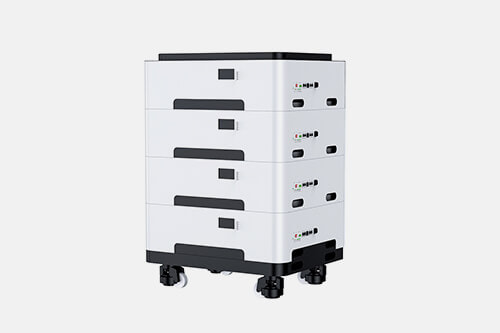
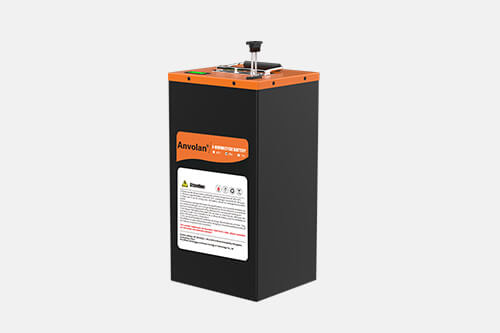
The advancement of energy storage technology is key to the efficient operation of solar power stations. Modern lithium battery storage systems feature high energy density, long cycle life, and fast response capability. They can discharge energy during peak demand periods and store energy during off-peak hours, achieving intelligent “peak shaving and valley filling” power regulation. This significantly improves energy efficiency and enhances grid stability.
In addition, intelligent control systems make solar power stations more efficient and reliable. Through IoT and big data technologies, the system can monitor real-time power generation, load demand, and battery health status, enabling automated optimization and maximum energy utilization. Remote monitoring also simplifies maintenance and significantly reduces operational costs.
From an economic perspective, solar power stations can effectively reduce long-term electricity costs. Although initial investment may be relatively high, electricity self-sufficiency increases over time, allowing users to significantly cut energy expenses and even achieve energy independence. For businesses, this is not only a cost-saving solution but also an important way to enhance their green corporate image.
Looking ahead, with continuous advancements in photovoltaic and energy storage technologies, solar power stations will evolve toward higher efficiency, lower costs, and greater intelligence. The adoption of new materials, solid-state batteries, and AI-based energy management systems will further enhance performance, making clean energy more accessible and widespread.
In conclusion, the solar power station is not just an energy technology but a future-oriented lifestyle. It is redefining how energy is produced and consumed, bringing green electricity to every corner and providing strong support for building a low-carbon, sustainable world.
Be the first to receive our latest news, how-to user guides,
and exclusive deals! Subscribe now.

 Headquarter Address:10F, Building 25, N0. 179 Fengguan, Dongshen Road, Dongguan, Guangdong
 Factory Address:Building 3, Area D, Shengyang Science and Technology Industrial Park, East District of Suichuan County Industrial Park, Ji'an, Jiangxi
 Headquarter Telephone No.:+86 769 2366 8529
Factory Telephone No.:+86 796 6111618
 Contact Person:Kevin Chen
 Email Address:chen@xpower-world.com