Global layout
 +86 769 2366 8529




Time:2026-07-21 Views:30
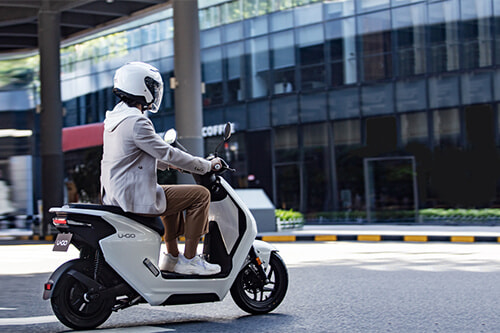
Citycoco electric scooters are widely used in urban short-distance travel, but their matching lithium-ion batteries have prominent low-temperature performance defects, which seriously restrict the use effect in cold winter and high-altitude low-temperature environments. When the ambient temperature drops below 10°C, the chemical activity of the Citycoco lithium battery decreases significantly, the migration speed of lithium ions slows down, and the internal resistance of the battery increases sharply. This will directly lead to problems such as reduced battery capacity, shortened cruising range, slow charging speed and insufficient instantaneous discharge power. In extreme low-temperature environments below -10°C, the battery may even trigger over-current protection, resulting in failure to start the vehicle. Therefore, adopting effective technical and usage optimization methods to improve the low-temperature performance of Citycoco batteries is crucial to expand their environmental adaptability.
Battery structure optimization and material upgrading are the fundamental technical methods to improve the low-temperature performance of Citycoco batteries. First of all, optimizing the electrolyte formula is the core improvement measure. Traditional lithium battery electrolytes have high viscosity at low temperatures, which hinders ion transmission. By adding low-temperature resistant organic solvents and functional additives, the low-temperature fluidity of the electrolyte can be significantly improved, reducing the internal resistance of the battery at low temperatures and accelerating lithium ion migration. Secondly, upgrading the electrode material structure can enhance low-temperature activity. Modifying the negative electrode material and optimizing the pore structure of the electrode plate can effectively alleviate the problem of lithium precipitation at low temperatures, improve the charge and discharge efficiency of the battery in cold environments. In addition, installing an integrated thermal insulation structure for the battery pack, including aluminum thermal conduction plates and lightweight thermal insulation cotton, can isolate the low-temperature external environment, maintain the internal temperature stability of the battery pack, and keep the battery working within the optimal temperature range.
Optimization of charging and discharging strategies and intelligent temperature control management are important auxiliary means to improve low-temperature performance. For daily use, users should avoid charging the Citycoco battery in an ultra-low temperature environment. It is necessary to move the battery to a room temperature environment of 15-25°C for preheating for 1 to 2 hours before charging, and adopt a multi-stage low-temperature charging strategy of low-current pre-charging, constant-temperature main charging and pulse repair to reduce lithium precipitation and battery damage. In terms of intelligent control, upgrading the battery management system (BMS) can realize real-time temperature monitoring and adaptive current adjustment. When low temperature is detected, the system will automatically reduce the charging and discharging current appropriately, avoid excessive polarization of the battery, and protect the battery activity. At the same time, the self-heating module can be added to the battery pack. When the temperature is too low, the low-power self-heating system is activated to quickly raise the battery temperature, ensuring stable output power and continuous cruising performance in low-temperature environments.
Standardized daily maintenance is also an effective way to maintain the low-temperature performance of Citycoco batteries. In cold seasons, long-term outdoor parking of the scooter should be avoided, and the battery should be disassembled and stored indoors when not in use for a long time to prevent the battery from being in a low-temperature dormant state for a long time. Regular shallow charging and discharging maintenance can activate the battery activity and delay the attenuation of low-temperature performance. Combining material upgrading, intelligent control optimization and standardized maintenance can comprehensively improve the low-temperature adaptability of Citycoco batteries, solve the problem of reduced battery performance in cold weather, and ensure the stable and reliable operation of electric scooters in low-temperature environments.
Be the first to receive our latest news, how-to user guides,
and exclusive deals! Subscribe now.

 Headquarter Address:10F, Building 25, N0. 179 Fengguan, Dongshen Road, Dongguan, Guangdong
 Factory Address:Building 3, Area D, Shengyang Science and Technology Industrial Park, East District of Suichuan County Industrial Park, Ji'an, Jiangxi
 Headquarter Telephone No.:+86 769 2366 8529
Factory Telephone No.:+86 796 6111618
 Contact Person:Kevin Chen
 Email Address:chen@xpower-world.com