Global layout
 +86 769 2366 8529




Time:2026-04-15 Views:56
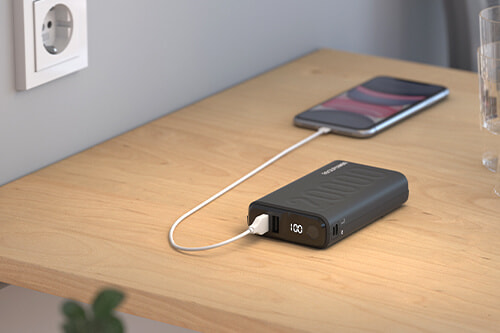
In the era of rapid global energy transformation and widespread adoption of smart devices, the **Lithium Ion Batteries Pack** has become one of the most critical energy storage and power supply components in modern energy systems. It not only powers consumer electronics but is also widely used in electric transportation, energy storage systems, industrial equipment, and smart home applications, playing a vital role in promoting low-carbon and intelligent development.
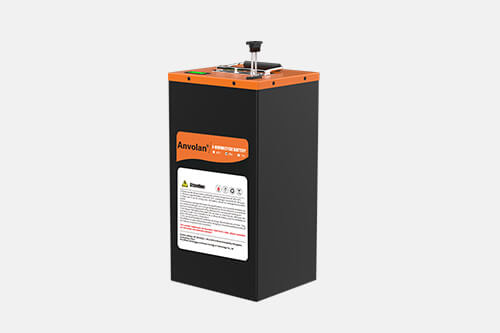
A lithium-ion battery pack is composed of multiple individual battery cells connected in series or parallel configurations, integrated with an advanced Battery Management System (BMS) to precisely control voltage, current, temperature, and charge-discharge states. Compared with traditional lead-acid or nickel-metal hydride batteries, lithium-ion battery packs offer significantly higher energy density, lighter weight, longer cycle life, and higher charging efficiency, making them the mainstream rechargeable energy storage solution today.
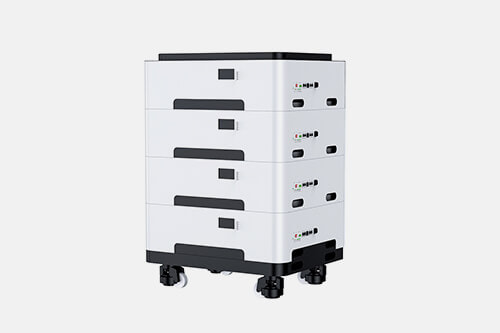
Structurally, lithium-ion battery packs are typically designed in modular enclosures. Cells are securely fixed within high-strength housings and connected through precision welding and conductive structures to ensure stable power output. The outer casing is usually made of engineering-grade ABS plastic, aluminum alloy, or flame-retardant PC material, providing excellent impact resistance, heat dissipation, and overall safety performance.
The Battery Management System (BMS) serves as the “brain” of the lithium-ion battery pack. It continuously monitors the operating status of each cell and performs balancing management to prevent overcharging or over-discharging of individual cells, thereby extending overall battery lifespan. In addition, the BMS provides multiple protection mechanisms, including overcharge protection, over-discharge protection, overcurrent protection, short-circuit protection, and temperature protection, ensuring safe and stable operation under various conditions.
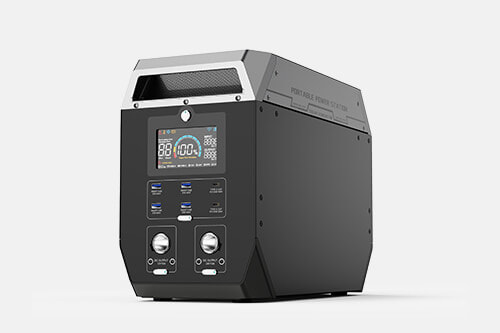
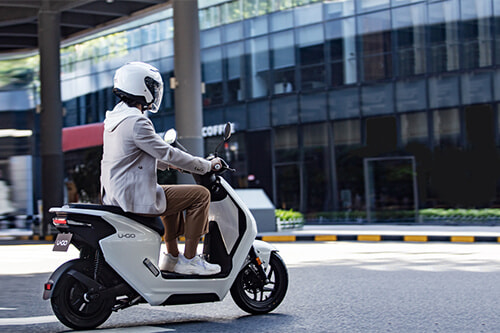
In terms of performance, lithium-ion battery packs are known for their high energy density, enabling longer runtime within smaller size and lighter weight. This makes them especially important for portable devices and electric mobility applications. In electric bicycles, scooters, power tools, and drones, lithium battery packs significantly enhance operational efficiency and user experience. Their fast-charging capability also reduces downtime and improves overall productivity.
In the electric vehicle and new energy sector, lithium-ion battery packs serve as the core power source. Through high-voltage and high-capacity configurations, they provide continuous and stable power output while supporting regenerative braking systems, further improving energy efficiency. With continuous technological advancements, energy density and safety performance continue to improve, enabling longer driving ranges for electric vehicles.
In energy storage systems, lithium-ion battery packs are widely used in residential storage, grid peak shaving, solar energy storage, and industrial backup power systems. By converting renewable energy such as solar and wind into storable electricity, lithium battery packs effectively address energy fluctuation issues and ensure stable and efficient energy supply. This application is becoming a cornerstone of global energy transition.
In industrial applications, lithium-ion battery packs are used in forklifts, electric handling equipment, AGVs (Automated Guided Vehicles), medical devices, and communication base stations. Their stable output and long lifespan enable continuous operation in high-intensity environments, significantly improving industrial automation and intelligence levels.
From a design perspective, modern lithium-ion battery packs are evolving toward higher energy density, lightweight structures, smart functionality, and modular architecture. New cell materials such as high-nickel ternary materials (NCM/NCA) and solid-state battery technologies continue to advance, further improving performance. At the same time, integration with IoT technology enables remote monitoring, energy prediction, and battery health analysis.
In terms of safety, lithium-ion battery packs adopt multi-layer protection designs, including thermal isolation structures, explosion-proof valves, flame-retardant materials, and intelligent temperature control systems to minimize thermal runaway risks. Strict aging tests, cycle tests, and safety certifications are also conducted during manufacturing to ensure product reliability.
From an environmental and sustainability perspective, lithium-ion battery packs offer significant advantages. Their high efficiency reduces energy waste, and their materials are recyclable, aligning with circular economy principles. As global carbon neutrality goals progress, lithium battery technology is becoming a core component of green energy systems.
From a user experience standpoint, lithium-ion battery packs emphasize stability and intelligent management. Features such as LED power indicators, smart charging control, and app-based remote monitoring allow users to easily track battery status, improving both safety and convenience. Standardized interface designs also ensure broad compatibility across devices.
In conclusion, the **Lithium Ion Batteries Pack** represents a core achievement in modern energy technology, integrating advanced electrochemical materials, intelligent control systems, and safety engineering. It plays an irreplaceable role across multiple industries, driving the development of electric mobility and smart devices while accelerating the global transition toward cleaner and more efficient energy systems, making it one of the most essential foundational components of future energy infrastructure.
Be the first to receive our latest news, how-to user guides,
and exclusive deals! Subscribe now.

 Headquarter Address:10F, Building 25, N0. 179 Fengguan, Dongshen Road, Dongguan, Guangdong
 Factory Address:Building 3, Area D, Shengyang Science and Technology Industrial Park, East District of Suichuan County Industrial Park, Ji'an, Jiangxi
 Headquarter Telephone No.:+86 769 2366 8529
Factory Telephone No.:+86 796 6111618
 Contact Person:Kevin Chen
 Email Address:chen@xpower-world.com