Global layout
 +86 769 2366 8529




Time:2026-08-10 Views:180
Introduction: 48V LiFePO4 – The Optimal Power Upgrade Solution for Pilotcar Golf Carts
As a world-renowned golf cart brand, Pilotcar features stable chassis, high-torque motors and complete electronic control systems, widely applied to professional golf courses, high-end community shuttles, scenic sightseeing vehicles and factory transport carts. The factory-standard 48V lead-acid batteries can only power the vehicles at a basic level, yet they carry obvious drawbacks during long-term use: excessive weight, rapid range attenuation, tedious maintenance, weak climbing power and short service life. A large number of private Pilotcar owners and golf course operators are seeking long-lasting, safe and highly compatible alternative power supplies.
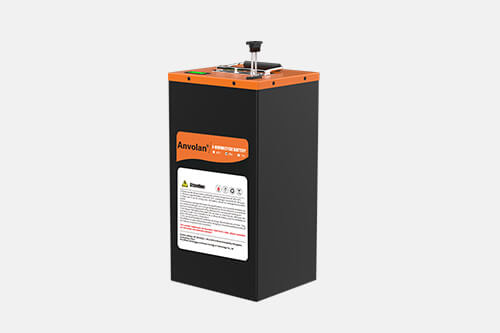
The 48V Lithium Iron Phosphate (LiFePO4) battery is specially developed for 48V electric golf cart platforms, achieving full compatibility with the original controllers, motors, lighting DC-DC conversion systems of all Pilotcar golf cart models. No modification to the vehicle wiring harness or replacement of electronic control accessories is required, enabling plug-and-play direct replacement. It thoroughly addresses the pain points of traditional lead-acid batteries from five core dimensions: power output, driving range, safety, operation & maintenance, and total lifecycle cost. Centered on 48V LiFePO4 technology, this article elaborates on its technical compatibility logic with Pilotcar carts, core strengths, practical value and complete installation solutions.
1. Native 48V Voltage Platform, Perfect Matching Pilotcar’s Full-Vehicle Electrical Architecture
All mass-produced Pilotcar golf carts adopt a unified 48V electrical system. The drive motors, controllers, braking systems, headlights, turn signals and on-board chargers are all engineered for a rated 48V voltage, with a tolerance range of 40.5V to 54.75V. The 48V LiFePO4 battery has a nominal voltage of 51.2V, a full-charge voltage of 54.72V and a discharge cut-off voltage of 40.8V. Its voltage range perfectly overlaps with Pilotcar’s factory electrical parameters, delivering native hardware compatibility — a core advantage unmatched by non-standard low-voltage batteries or NMC lithium batteries.
Some cart owners previously assembled makeshift 48V power packs by connecting multiple low-voltage lead-acid batteries in series, such as six 8V cells or eight 6V cells. These combinations occupy massive undercarriage storage space and suffer poor voltage balance among series cells. Attenuation of a single lead-acid unit directly triggers overall power loss, controller error codes and weak climbing performance. In contrast, the integrated single-pack 48V LiFePO4 battery consists of 16 pieces of 3.2V LiFePO4 cells connected in series. A built-in intelligent Battery Management System (BMS) balances cell voltage in real time, maintaining a steady output voltage throughout the discharge cycle without the voltage drop and power lag common to lead-acid batteries under heavy loads.
For heavy-duty Pilotcar scenarios — four passengers with full golf bags, continuous steep hill climbing at scenic spots and factory material transport — the 48V LiFePO4 supports a peak pulse discharge current of up to 600A, with a continuous discharge current of 200A. It fully meets the instantaneous power demand of Pilotcar’s high-torque motors. From 100% full charge down to 20% remaining capacity, the voltage curve remains nearly flat, delivering consistent torque during acceleration and hill climbing without the speed drop and power shortage of lead-acid batteries. In addition, the battery’s output waveform matches the signal logic of Pilotcar’s original controllers, eliminating voltage interference and dashboard error codes. Auxiliary electrical devices including headlights, reversing buzzers and USB charging ports receive stable power without dim lighting or sudden power failure under low state of charge.
The installation process supports damage-free plug-and-play compatibility. Terminal specifications, undercarriage mounting dimensions and fixing holes are custom-designed to fit Pilotcar’s original battery compartment. Users only need to remove the old lead-acid pack, secure the 48V LiFePO4 unit and connect the positive/negative main cables to finish the upgrade. No frame cutting or wiring rework is needed; private users can complete installation by themselves, and fleet bulk upgrades require zero additional electronic control debugging labor, greatly cutting modification labor costs. The charging protocol is fully interoperable with Pilotcar’s original 48V chargers, while dedicated fast chargers are also supported, offering dual charging solutions for private commuting and commercial fleets.
2. Core Performance Advantages of 48V LiFePO4 Outperforming Pilotcar’s Original Lead-Acid Batteries
2.1 Lightweight Design Optimizes Pilotcar Handling & Energy Consumption
At equal capacity, a 48V LiFePO4 battery weighs only 30% to 40% of a conventional 48V lead-acid pack. A complete set of 48V100Ah lead-acid batteries weighs approximately 170kg, while the equivalent LiFePO4 unit weighs merely 70kg, reducing total vehicle weight by over 100kg. Pilotcar’s chassis balance is precisely calibrated at the factory; heavy lead-acid packs cause rear sag, sustained shock absorber pressure, reduced steering flexibility and increased motor load during hill climbing, raising overall energy consumption. After switching to lightweight 48V LiFePO4, front-rear vehicle weight distribution is balanced, steering becomes more responsive, braking distance is shortened, motor load drops by over 15%, and driving range per full charge rises accordingly.
The lightweight benefit delivers outstanding value to commercial fleets: frequent daily shuttle runs on golf courses and long-distance sightseeing at scenic spots reduce motor wear and mechanical maintenance frequency. For private owners commuting in gated communities, improved vehicle agility ensures smoother low-speed start-stop operation. The battery also cuts footprint by 60%, freeing up under-chassis storage space for golf bags, tools and daily supplies, solving the storage limitation caused by bulky original lead-acid packs.
2.2 Ultra-Long Cycle Life Cuts Replacement Costs for Pilotcar Fleets
LiFePO4 cathode material features exceptional cycle stability. The 48V LiFePO4 battery achieves 5,000 to 7,000 full charge-discharge cycles at 80% depth of discharge (DOD), while Pilotcar’s factory lead-acid batteries only deliver 300 to 500 cycles — a 10x lifespan gap. Based on regular usage patterns: private Pilotcar owners charging 3 times weekly can rely on the 48V LiFePO4 for 8 to 12 years of stable operation; commercial fleets at golf courses and scenic spots undergoing twice-daily full charge-discharge cycles receive 6 to 8 years of reliable service, versus just 1 to 2 years before lead-acid capacity fades drastically and full replacement becomes mandatory.
From a total cost of ownership perspective, lead-acid packs require 3 to 4 full replacements within a decade, paired with recurring expenses for electrolyte refills, terminal rust removal and equalization charging labor and supplies. The cumulative investment far exceeds the one-time purchase cost of a 48V LiFePO4 battery. The fully sealed integrated LiFePO4 design eliminates electrolyte leakage, requiring zero water top-ups or terminal cleaning for its entire service life. Commercial fleets can eliminate dedicated battery maintenance staff, slashing long-term operational expenses by over 50%.
2.3 Fast Charging & Low Self-Discharge Adapt to High-Frequency Continuous Pilotcar Operation
The 48V LiFePO4 boasts a round-trip charging efficiency of 95%, completing a full 0–100% charge in only 2 to 4 hours. Traditional lead-acid batteries reach just 70% charging efficiency and take 8 to 14 hours for full replenishment. Moreover, lead-acid cells degrade rapidly under frequent partial charging due to plate sulfation, forcing users to drain batteries fully before recharging. For peak-hour golf course operations and non-stop scenic passenger transport, the 48V LiFePO4 supports arbitrary opportunity charging without full depletion. A 2-hour midday quick charge restores 80% capacity, drastically boosting fleet availability.
Self-discharge performance is another standout merit: the monthly self-discharge rate of 48V LiFePO4 stands below 3%. During winter storage or off-season golf course downtime of 1 to 2 months, the battery retains over 70% residual capacity and starts the vehicle without issue. Lead-acid batteries self-discharge at over 15% monthly; they deplete within half a month of idling, often suffering permanent plate damage from deep discharge, requiring frequent supplementary charging that wastes labor and electricity. In low-temperature northern climates, the 48V LiFePO4 operates reliably between -20°C and 65°C, with far milder capacity loss in winter outdoor storage than lead-acid, eliminating the need for external thermal insulation for year-round Pilotcar operation.
2.4 Inherently Safe LiFePO4 Chemistry Eliminates Pilotcar Safety Hazards
Safety is the top priority for golf cart power supplies. LiFePO4 cathode material reaches thermal decomposition at 600°C, far higher than NMC lithium and lead-acid chemistries. Under extreme conditions including puncture, extrusion and short circuit, it will not ignite, explode or leak corrosive sulfuric acid, making it ideal for high-foot-traffic areas such as golf lawns, community walkways and scenic zones.
The integrated 48V battery pack incorporates a multi-layer intelligent BMS customized for Pilotcar driving conditions, featuring six core protection mechanisms running in real time: overcharge protection, over-discharge protection, over-current protection, over-temperature protection, short-circuit protection and automatic cell balancing. During heavy-load hill climbing with high current output, the BMS monitors cell temperature continuously and limits current or cuts output automatically once overheating occurs. During charging, precise voltage control prevents overcharging and cell damage. In case of accidental wiring short circuits, power output is instantly disconnected to avoid harness fire risks. In contrast, aging lead-acid batteries suffer terminal corrosion and acid leakage that rust Pilotcar metal frames and chassis, while corrosive fluid poses burn risks to lawns and pedestrians. The 48V LiFePO4’s fully sealed metal casing carries an IP67 dust and waterproof rating, resisting damage from rain driving, lawn irrigation and outdoor open-air storage. It produces zero corrosive waste or toxic exhaust gas, aligns with global golf course environmental regulations and supports simplified recycling procedures at end-of-life.
3. Scenario-Based Application: 48V LiFePO4 for All Pilotcar Usage Types
3.1 Private Residential Pilotcar Golf Carts
For 2-seater and 4-seater Pilotcar vehicles used by luxury villa residents and private golf enthusiasts, 48V80Ah–105Ah LiFePO4 configurations are recommended, delivering a single-charge range of 40 to 60 kilometers to cover daily community commutes and full 18-hole golf rounds. The lightweight design enhances riding comfort, zero-maintenance operation removes battery upkeep chores, and low self-discharge eliminates winter idle power loss. The built-in Bluetooth-enabled BMS allows real-time mobile monitoring of residual capacity and cell health for effortless trip planning.
3.2 Commercial Pilotcar Fleets at Golf Courses
For bulk 6-seater and 8-seater passenger Pilotcar carts operated by golf courses, high-capacity 48V120Ah–150Ah LiFePO4 batteries are the optimal choice, offering a single-charge range of 70 to 90 kilometers to support uninterrupted daily visitor transport without vehicle rotation delays. Ultra-long cycle life reduces large capital expenditures for batch battery replacements, fast charging enables midday energy replenishment to boost fleet turnover efficiency, and IP67 waterproofing accommodates outdoor parking and lawn irrigation without acid contamination of turf, cutting course environmental governance costs.
3.3 Heavy-Duty Pilotcar Utility Carts for Scenic Spots & Factories
Modified heavy-load Pilotcar transport vehicles at scenic areas and factories demand high instantaneous torque and sustained discharge performance. The high-capacity 48V LiFePO4’s 600A peak discharge current maintains unattenuated climbing power under full passenger and cargo loads. Its long service life supports 12-hour daily high-intensity continuous operation, minimizing vehicle downtime and lifting operational revenue for scenic and industrial sites.
4. Selection & Installation Guidelines to Maximize 48V LiFePO4 Compatibility
Only select standard 48V LiFePO4 products with a nominal voltage of 51.2V. Avoid non-standard 46V or 54V cells, which conflict with Pilotcar’s original electronic control systems and cause power restriction or controller damage.
Prioritize integrated single-pack batteries with built-in all-in-one BMS. Split multi-series packs suffer poor cell balancing and accelerated single-unit degradation after long-term use, severely reducing overall compatibility.
Match capacity to practical demands: 80–105Ah for private commuting, 120–150Ah for golf course passenger fleets, 150Ah and above for heavy-duty transport. Undersized capacity triggers frequent recharging, while oversized units add unnecessary vehicle weight and cost.
Charging accessories: Pilotcar’s original 48V lead-acid chargers remain compatible. Facilities with high-frequency daily operation are advised to adopt dedicated LiFePO4 fast chargers for further charging time reduction.
Regularly check cell status via Bluetooth. The native BMS delivers automatic cell balancing with no manual intervention required; routine maintenance only involves wiping dust off the battery surface for zero extra workload.
Be the first to receive our latest news, how-to user guides,
and exclusive deals! Subscribe now.

 Headquarter Address:10F, Building 25, N0. 179 Fengguan, Dongshen Road, Dongguan, Guangdong
 Factory Address:Building 3, Area D, Shengyang Science and Technology Industrial Park, East District of Suichuan County Industrial Park, Ji'an, Jiangxi
 Headquarter Telephone No.:+86 769 2366 8529
Factory Telephone No.:+86 796 6111618
 Contact Person:Kevin Chen
 Email Address:chen@xpower-world.com