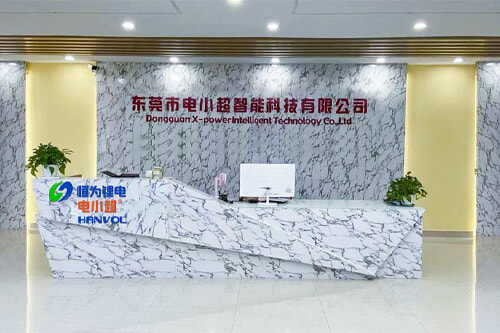
Global layout
 +86 769 2366 8529




Time:2026-08-13 Views:114
Against the industrial trend of standardized global lithium battery trade and increasingly stringent terminal safety supervision, IEC 62133-2, as the dedicated international safety standard for portable sealed lithium-ion batteries issued by the International Electrotechnical Commission, has become the core entry threshold and authoritative quality endorsement for the global circulation of lithium battery products. Updated and revised in 2021 based on the 2017 version, this standard accurately defines the safety test specifications and quality requirements of lithium batteries under normal use, foreseeable misuse and complex working conditions, covering full-dimensional testing items of electrical performance, mechanical strength, environmental weather resistance and abnormal protection. It forms a universal lithium battery safety certification system adopted by more than 50 IECEE member countries. Differentiated from ordinary uncertified manufacturers, IEC 62133-2 certified lithium battery manufacturers rely on international standardized production systems to benchmark international safety specifications throughout the entire process of cell selection, structural design, process production and finished product testing. They thoroughly solve industrial pain points such as prominent safety hazards, uneven quality and difficult cross-border compliance in the lithium battery industry, emerging as the preferred cooperative partners for brand customers in consumer electronics, portable energy storage, electric two-wheelers, outdoor equipment and other fields.
From the perspective of core standard value, IEC 62133-2 serves as the core criterion for distinguishing the safety quality of lithium batteries and the underlying barrier of manufacturers’ core competitiveness. Compared with ordinary battery production standards, this certification system features comprehensive and rigorous testing dimensions, including continuous charging, abnormal charging, external short circuit, mechanical impact, vibration testing and high-temperature storage. It fully verifies the lithium battery’s capabilities of fire prevention, explosion proofing, leakage prevention and overheating resistance, eliminating potential safety risks of products in daily use, transportation vibration, high-temperature environments and misoperation scenarios. At present, global lithium battery market supervision continues to tighten. Mainstream export markets such as Europe, America and Southeast Asia have listed IEC 62133-2 certification as a mandatory condition for lithium battery product listing, cross-border customs clearance and brand settlement. Uncertified lithium batteries cannot enter mainstream international markets and are accompanied by huge potential safety hazards and after-sales risks. In contrast, manufacturers with complete IEC 62133-2 qualifications can realize barrier-free global product circulation, greatly reducing customers’ compliance risks and trade barriers, and laying a foundation for product marketization and international layout.
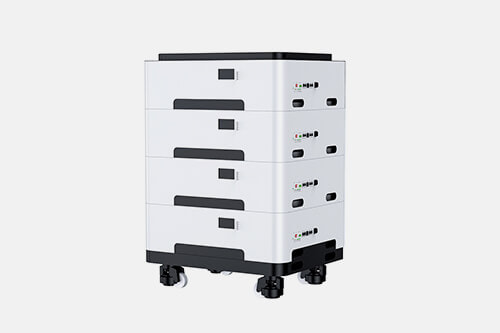
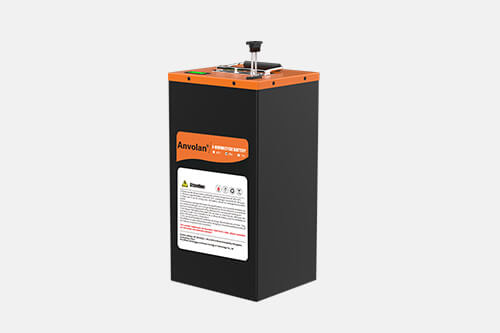
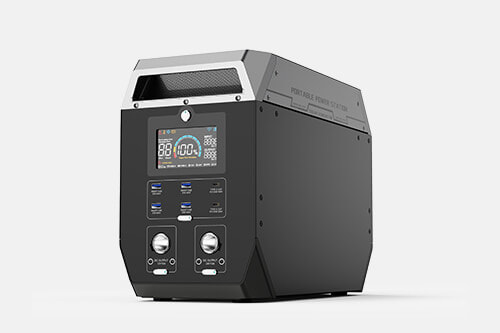
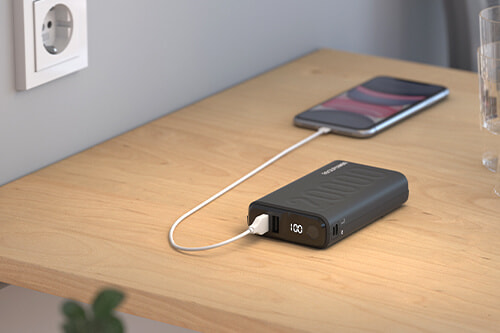
The core advantages of professional IEC 62133-2 certified lithium battery manufacturers are reflected in three major dimensions: standardized production systems, full-process quality control and compliance stability. Firstly, at the production end, such enterprises build production processes in strict accordance with international standards, and comply fully with IEC 62133-2 safety specifications from cell selection and PACK assembly to circuit integration and sealing technology, eliminating industrial chaos such as simplified processes and inferior materials, and ensuring the safety and consistency of each batch of products. Secondly, at the testing end, they are equipped with complete standardized testing equipment to independently complete full certification tests including short-circuit protection, high and low temperature resistance, shock and pressure resistance, and overload protection. All finished products undergo strict compliance verification before delivery to ensure that the battery BMS protection system, shell protection and cell stability fully meet international standards. Finally, in terms of product adaptation, certified products are widely applicable to all categories of portable lithium battery equipment such as portable energy storage power supplies, electric motorcycles, wearable smart devices, outdoor operation equipment and household emergency power supplies, balancing civil safety and commercial stability to meet market compliance needs of diverse scenarios.
The competition in the global lithium battery industry has completely shifted from simple price and parameter competition to comprehensive strength competition focusing on safety compliance, stable quality and international universality. Due to the lack of certification qualifications and standardized production capacity, a large number of small and medium-sized manufacturers in the market suffer from frequent product safety accidents, which not only disrupt the industrial order but also greatly increase the procurement risks of terminal brand customers. In supply chain screening, brand owners, cross-border traders and large terminal enterprises have taken IEC 62133-2 certification as the core entry indicator and give priority to cooperating with certified compliant manufacturers. High-quality enterprises with complete IEC 62133-2 certification qualifications build differentiated competitive barriers in the homogeneous market through traceable standardized production, verifiable safety qualifications and stable and reliable product quality, effectively avoiding risks such as product removal from shelves, customs clearance delays and safety accountability, and improving supply chain trust and cooperation adhesion.
With the continuous upgrading of global new energy safety standards, the compliance threshold for lithium battery products will keep rising, and the market space for uncertified and non-standard products will continue to shrink. Compliance, standardization and internationalization will become the inevitable development trend of the lithium battery manufacturing industry. Relying on authoritative international qualifications, strict quality control systems and full-scenario product adaptation capabilities, IEC 62133-2 certified lithium battery manufacturers can meet the safety compliance requirements of both domestic high-end markets and global cross-border trade standards, helping terminal products quickly seize overseas market shares. In the future, high-quality manufacturers that deeply adhere to international IEC safety standards, continuously iterate compliant production processes and optimize product safety performance will continue to lead the global portable lithium battery track, act as the core promoter for the safety, standardization and internationalization upgrading of the lithium battery supply chain, and provide safe, compliant and high-quality lithium battery supporting solutions for the global terminal industry.
Be the first to receive our latest news, how-to user guides,
and exclusive deals! Subscribe now.

 Headquarter Address:10F, Building 25, N0. 179 Fengguan, Dongshen Road, Dongguan, Guangdong
 Factory Address:Building 3, Area D, Shengyang Science and Technology Industrial Park, East District of Suichuan County Industrial Park, Ji'an, Jiangxi
 Headquarter Telephone No.:+86 769 2366 8529
Factory Telephone No.:+86 796 6111618
 Contact Person:Kevin Chen
 Email Address:chen@xpower-world.com