Global layout
 +86 769 2366 8529




Time:2026-05-15 Views:32
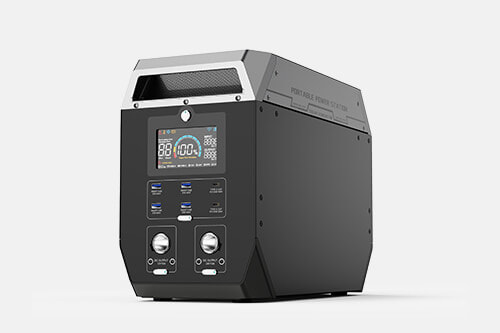
High temperature adaptability refers to a portable power station’s ability to operate safely and efficiently in elevated temperature environments, such as hot summer days, desert camping trips, or enclosed spaces like cars. High temperatures pose unique challenges to portable power stations, as excessive heat accelerates the chemical degradation of battery cells, reduces energy efficiency, and increases the risk of overheating and thermal runaway. Without proper high temperature adaptability, a portable power station may experience reduced runtime, permanent capacity loss, or even safety hazards when exposed to sustained heat. As such, manufacturers incorporate a range of design features and technologies to enhance high temperature performance, ensuring that the device remains reliable in extreme heat conditions.
The optimal operating temperature range for most portable power stations is between 0°C (32°F) and 40°C (104°F), with many premium models capable of temporarily tolerating temperatures up to 45°C (113°F). Beyond these limits, the performance of the battery and internal components begins to degrade. High temperatures accelerate the movement of ions within the battery, increasing the rate of chemical reactions that break down the electrolyte and electrode materials. This leads to faster capacity degradation—prolonged exposure above 45°C can result in permanent loss of battery capacity—and reduced efficiency, as more energy is wasted as heat. In extreme cases, such as leaving a portable power station in a closed car on a hot day (where interior temperatures can exceed 60°C or 140°F), the device may shut down completely to prevent thermal runaway, a dangerous condition where the battery overheats uncontrollably and may catch fire or explode.
To enhance high temperature adaptability, portable power stations incorporate multiple protective measures and design optimizations. One key feature is the use of LiFePO4 batteries, which offer superior thermal stability compared to traditional lithium-ion batteries. LiFePO4 batteries have a higher thermal runaway temperature (around 250°C) compared to NMC batteries (around 150°C), reducing the risk of overheating in high temperatures. Additionally, modern portable power stations are equipped with advanced cooling systems, including passive cooling (through vents and heat-dissipating casings) and active cooling (via fans that activate when temperatures rise). These cooling systems help dissipate heat from the battery and inverter, maintaining internal temperatures within safe limits even under heavy loads or high ambient temperatures. For example, the Zendure SuperBase Pro features proprietary counter tab battery technology that accelerates heat dissipation and balances temperature distribution across the cells, preventing dangerous hot spots.
Practical usage guidelines and real-world testing further illustrate the importance of high temperature adaptability. Users are advised to keep portable power stations in shaded, well-ventilated areas during use, avoid direct sunlight, and never leave them in closed vehicles on hot days. Reducing the load when temperatures rise—such as running fewer high-power devices—can also help minimize heat generation. In testing, premium models with strong high temperature adaptability, such as those from Hydrocell and EcoFlow, maintained stable output at 40°C, with only minimal capacity loss. These models also feature temperature sensors and BMS control that throttle output or shut down the device if temperatures rise too high, ensuring safety. For users who frequently use portable power stations in hot climates—such as campers, RV enthusiasts, or construction workers—high temperature adaptability is a critical factor to consider, as it ensures the device remains reliable, efficient, and safe even in the most challenging heat conditions.
Be the first to receive our latest news, how-to user guides,
and exclusive deals! Subscribe now.

 Headquarter Address:10F, Building 25, N0. 179 Fengguan, Dongshen Road, Dongguan, Guangdong
 Factory Address:Building 3, Area D, Shengyang Science and Technology Industrial Park, East District of Suichuan County Industrial Park, Ji'an, Jiangxi
 Headquarter Telephone No.:+86 769 2366 8529
Factory Telephone No.:+86 796 6111618
 Contact Person:Kevin Chen
 Email Address:chen@xpower-world.com