Global layout
 +86 769 2366 8529




Time:2026-04-10 Views:69
The sharing use mode for golf cart batteries is an innovative approach to battery management that optimizes resource utilization, reduces costs, and improves sustainability for golf courses. Traditionally, each golf cart is equipped with its own dedicated battery, which can lead to inefficiencies—some batteries are overused (leading to rapid degradation), while others are underused (sitting idle for long periods). The sharing mode allows multiple golf carts to share a pool of batteries, ensuring that each battery is used evenly and efficiently, reducing waste and extending overall battery lifespan.
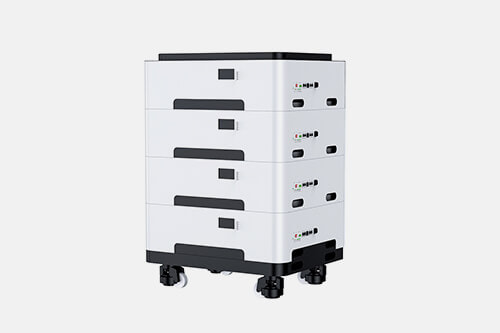
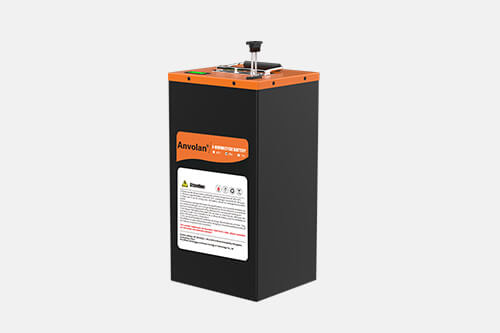
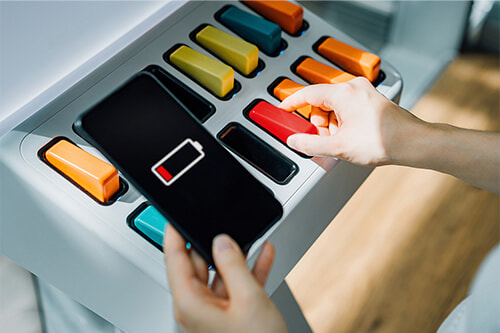
The golf cart battery sharing system consists of a centralized battery storage and charging station, a battery swapping mechanism, and a management system to track battery usage and allocation. The centralized station houses a pool of fully charged batteries, and golf carts can swap their depleted batteries for fully charged ones in a matter of minutes—much faster than charging a battery on the cart. The swapping mechanism is designed to be user-friendly, allowing golf course staff (or even users) to swap batteries without specialized tools. The management system tracks each battery’s usage, state of charge (SOC), and state of health (SOH), ensuring that batteries are rotated evenly and maintained properly.
One of the key benefits of the sharing use mode is cost reduction. Instead of purchasing a dedicated battery for each golf cart, golf course operators can purchase a smaller pool of batteries (typically 50-70% of the number of carts), reducing upfront investment. Additionally, the sharing mode reduces maintenance costs—since batteries are used evenly, there is less need for frequent replacements, and maintenance (e.g., charging, cell balancing) can be performed centrally at the storage station, rather than on each individual cart. For example, a golf course with 100 carts would typically need 100 batteries, but with the sharing mode, it only needs 60-70 batteries, saving thousands of dollars in upfront costs.
The sharing use mode also improves operational efficiency and user experience. Golf carts can be back in service quickly after their battery is depleted, reducing downtime and ensuring that carts are always available for use. This is particularly beneficial during peak periods (e.g., weekends, holidays), when demand for golf carts is high. Additionally, the centralized charging station allows for optimized charging (e.g., during off-peak hours to reduce energy costs) and better battery maintenance, extending the lifespan of the battery pool. For users, the sharing mode means that they never have to wait for a cart to charge—they can simply swap the battery and continue using the cart.
While the sharing use mode offers significant benefits, it also requires an initial investment in the centralized storage station and battery swapping mechanism. Additionally, the management system must be properly maintained to ensure accurate tracking of battery usage and allocation. However, the long-term cost savings, improved efficiency, and sustainability make the sharing use mode an attractive option for golf course operators. As battery technology advances (e.g., lighter, more durable batteries) and swapping mechanisms become more efficient, the sharing use mode is expected to become more widespread in the golf cart industry, revolutionizing how batteries are managed.
Be the first to receive our latest news, how-to user guides,
and exclusive deals! Subscribe now.

 Headquarter Address:10F, Building 25, N0. 179 Fengguan, Dongshen Road, Dongguan, Guangdong
 Factory Address:Building 3, Area D, Shengyang Science and Technology Industrial Park, East District of Suichuan County Industrial Park, Ji'an, Jiangxi
 Headquarter Telephone No.:+86 769 2366 8529
Factory Telephone No.:+86 796 6111618
 Contact Person:Kevin Chen
 Email Address:chen@xpower-world.com