Global layout
 +86 769 2366 8529




Time:2026-10-16 Views:60
The GEM electric vehicle lithium conversion kit is a complete upgrade package specially developed for GEM low-speed neighborhood vehicles. Widely deployed for short-distance transport in campuses, industrial parks, scenic spots and communities, these vehicles are originally equipped with AGM lead-acid batteries, which suffer from heavy weight, short cycle life, fast range degradation and high replacement costs. This conversion kit replaces the original lead-acid battery system with a lithium energy storage pack, together with wiring harnesses, compatible chargers, battery management systems, mounting brackets and debugging accessories. It upgrades the energy storage system while retaining the vehicle’s original motor, controller, dashboard and other core components, extending vehicle service life and cutting long-term fleet operating expenses.
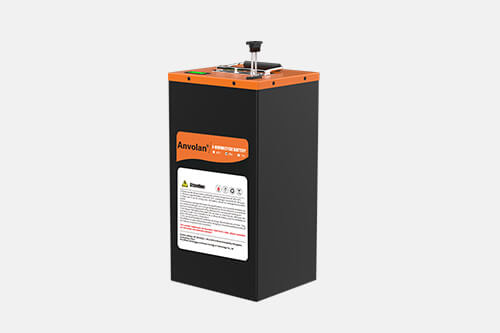
Centered on a LiFePO4 battery pack, the full conversion kit comes with a complete set of matching components. The battery pack is assembled with screened Grade A large-format cells. Cells go through multiple rounds of testing to guarantee consistent internal resistance, capacity and open-circuit voltage and mitigate voltage imbalance after repeated charge and discharge cycles. The LiFePO4 chemistry delivers outstanding thermal stability and carries lower thermal runaway risk under frequent start-stop cycles, bumpy roads and outdoor high-temperature conditions, suiting all-weather operation of on-site vehicles. A built-in smart BMS continuously monitors cell voltage, current and temperature of every string and provides comprehensive protection against overcharge, over-discharge, overcurrent, short circuit, high and low temperature to prevent permanent cell damage under abnormal working conditions. Some versions support Bluetooth communication. Maintenance staff can check battery SOC, cell temperature, health status and fault logs via mobile terminals, making centralized monitoring of battery data across multiple converted fleet vehicles easier. The kit includes custom mounting brackets, high-voltage cables, fuses, compatible chargers and installation manuals. All hardware interfaces are pre-matched, so there is no need for large-scale modification to the original chassis and power wiring, greatly reducing construction difficulty for retrofitting.
The structural design is tailored to fit the original battery compartment dimensions of GEM vehicles. Models including GEM e2, e4, e6 and eL XD have fixed battery compartment space. The battery pack of this kit is custom-shaped to fit the original mounting cavity. The enclosure uses high-strength flame-retardant housing with dust and water resistance to block rainwater and dust. Cells are secured by elastic shock-absorbing fixtures to absorb continuous vibration from rough pavement and reduce risks of loose or poorly connected terminals. Heat dissipation channels are reserved inside the casing to conduct internal heat away during sustained discharge, control cell temperature rise and preserve long-term consistency of the whole cell group. Output cables adopt high-temperature heavy-gauge wire, and reinforced connectors reduce overheating risks under high-current working conditions. All components are designed to align with original assembly points; bracket holes match the reserved mounting holes on the chassis. Technicians can finish assembly with basic hand tools and minimize vehicle downtime during retrofitting.
Specification selection and pre-project assessment are critical to successful retrofitting. Before kit installation, technicians need to inspect the working condition of the original motor, controller and dashboard to verify that these electrical components function properly. The kit is available in different capacity options. Operators select the proper configuration based on daily mileage, load weight and road conditions. Higher-capacity variants deliver longer driving range with a slight increase in overall vehicle weight; basic-capacity options have lower upfront cost and fit short-cycle operation. In regions with year-round high temperatures, ventilation and heat dissipation conditions must be carefully assessed to slow heat-induced capacity degradation. In cold environments, the low-temperature charging protection function of the BMS prevents charging at excessively low temperature and protects cells from damage. Before shipment, kits pass a full range of reliability tests including temperature cycling, vibration, impact and water immersion tests. Prior to mass delivery, products complete UN38.3, CE and other safety and transportation certifications to meet cross-border export and local market access regulations. Retrofit work must be carried out by technicians familiar with low-speed vehicle electrical systems. After assembly, technicians perform power-on commissioning, dashboard signal calibration and load testing to confirm communication compatibility among the battery pack, controller and dashboard.
From the fleet operational economic perspective, this lithium upgrade kit effectively reduces total lifecycle costs. Factory-fitted AGM lead-acid batteries have limited cycle life; capacity degrades rapidly after repeated cycling and full replacement is required every few years, bringing continuous spending for procurement, disassembly and labor. LiFePO4 cells support thousands of deep charge-discharge cycles. With proper operation, their service life can exceed three times that of original lead-acid batteries and drastically reduce battery replacement frequency. Although kit procurement and installation create a one-time upfront investment, lower long-term maintenance downtime and reduced replacement expenses gradually offset the initial cost. For fleets operating in parks and scenic areas, upgraded vehicles achieve longer driving range per charge, extend charging intervals, reduce mid-shift recharging and increase daily available operating hours. The matching dedicated charger supports stable energy replenishment and optimizes charging curves to improve charging efficiency while protecting cells and extending the service life of the energy storage pack.
After installation and commissioning, standardized maintenance directly determines the service life of the battery and the full conversion kit. During daily operation, operators should recharge the battery timely when the state of charge drops to a reasonable level and avoid deep depletion as much as possible. Inspect the battery casing regularly for dents and deformation, check cable connectors for looseness and oxidation, keep the housing surface clean and prevent long-term accumulation of sediment and sewage. Maintenance teams use BMS backend data to continuously monitor battery health, predict cell aging trends and schedule preventive maintenance in advance to avoid unexpected breakdown during operation. When vehicles are stored idle for extended periods, keep them in dry and ventilated locations at a proper state of charge. Long-term storage at full charge or deep depletion must be avoided. Storage temperature should stay within a moderate range to reduce capacity loss caused by self-discharge. If the vehicle remains out of service for a long time, periodic recharging is recommended to maintain cell health.
Against the continuous renewal of low-speed on-site electric vehicles, the GEM electric vehicle lithium conversion kit provides a lightweight, long-life energy storage upgrade solution for existing GEM vehicles. Featuring integrated matched design, the kit is compatible with multiple mainstream GEM models and completes energy storage retrofitting without replacing the original powertrain. It improves driving range and lowers maintenance workload. Proper specification selection, professional installation and regular maintenance can fully leverage the safe, long-cycle advantages of LiFePO4 chemistry and cut fleet battery replacement costs. This kind of retrofitting solution revitalizes existing vehicle assets and extends the service life of campus and scenic shuttle EVs. It serves as a practical cost-reduction upgrade option for fleets and supports green and sustainable operation of low-speed short-range electric vehicles.
Be the first to receive our latest news, how-to user guides,
and exclusive deals! Subscribe now.

 Headquarter Address:10F, Building 25, N0. 179 Fengguan, Dongshen Road, Dongguan, Guangdong
 Factory Address:Building 3, Area D, Shengyang Science and Technology Industrial Park, East District of Suichuan County Industrial Park, Ji'an, Jiangxi
 Headquarter Telephone No.:+86 769 2366 8529
Factory Telephone No.:+86 796 6111618
 Contact Person:Kevin Chen
 Email Address:chen@xpower-world.com