Global layout
 +86 769 2366 8529




Time:2026-05-25 Views:156
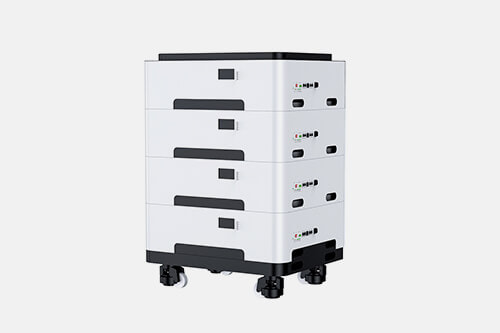
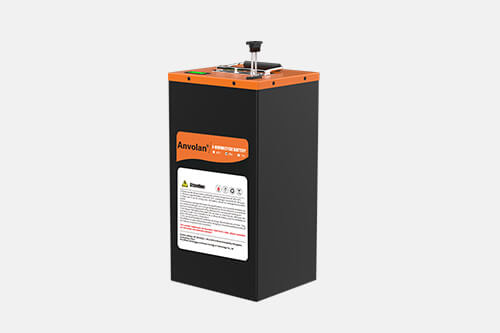
With the global emphasis on carbon neutrality and environmental protection, the demand for environmentally friendly alternatives to traditional lead-acid batteries has surged dramatically. Traditional lead-acid batteries, while cost-effective and mature in technology, pose significant environmental hazards due to their lead content—lead leakage during use, disposal, or recycling can contaminate soil and groundwater, threatening ecological balance and human health. In response, environmentally friendly lead acid replacement batteries have emerged as a core solution, focusing on non-toxic materials, high recyclability, and low carbon emissions, while maintaining or exceeding the performance of lead-acid batteries in terms of capacity, cycle life, and safety.
One of the most promising directions in environmentally friendly lead acid replacement batteries is the development of advanced lithium-ion variants, such as lithium iron phosphate (LiFePO4) batteries. Unlike lead-acid batteries, LiFePO4 batteries contain no heavy metals or toxic substances, making them environmentally benign throughout their lifecycle. They also offer superior performance: with a cycle life of over 3,000 cycles (compared to 300-500 cycles for lead-acid batteries), higher energy density, and lighter weight, they are ideal for applications ranging from automotive auxiliary power to renewable energy storage. Additionally, recent innovations in aluminum-based lead-carbon batteries have broken through traditional bottlenecks—using aluminum-based lead alloy composites instead of traditional lead grids, these batteries achieve higher capacity, better safety, and a metal recovery rate of over 99%, aligning with the "dual carbon" concept.
Another key innovation in lead acid replacement batteries is the adoption of eco-friendly manufacturing processes and recyclable materials. Manufacturers are increasingly using bio-based electrolytes and degradable packaging materials to reduce the environmental impact of production. For example, the development of glass fibrous matrix electrodes (GEM) has enhanced the chargeability and cycle life of replacement batteries without increasing water loss, further improving their environmental performance and practicality. Moreover, the recycling system for these replacement batteries is being continuously improved: lithium-ion and aluminum-based lead-carbon batteries can be disassembled and recycled efficiently, with valuable materials such as lithium, aluminum, and carbon being reused, forming a closed-loop industrial chain. As governments around the world tighten environmental regulations, environmentally friendly lead acid replacement batteries are not only a technological trend but also a necessary choice for sustainable development, gradually replacing traditional lead-acid batteries in various fields.
Be the first to receive our latest news, how-to user guides,
and exclusive deals! Subscribe now.

 Headquarter Address:10F, Building 25, N0. 179 Fengguan, Dongshen Road, Dongguan, Guangdong
 Factory Address:Building 3, Area D, Shengyang Science and Technology Industrial Park, East District of Suichuan County Industrial Park, Ji'an, Jiangxi
 Headquarter Telephone No.:+86 769 2366 8529
Factory Telephone No.:+86 796 6111618
 Contact Person:Kevin Chen
 Email Address:chen@xpower-world.com