Global layout
 +86 769 2366 8529




Time:2026-04-09 Views:41
Energy density is a key performance indicator of golf cart batteries, as it directly determines the golf cart’s range and runtime. Higher energy density means the battery can store more energy in the same volume or weight, allowing the golf cart to travel longer distances without recharging. In recent years, manufacturers have made significant progress in improving the energy density of golf cart batteries, primarily through advancements in battery chemistry, electrode materials, and structural design. This has led to the gradual replacement of traditional lead-acid batteries with high-energy-density lithium-ion batteries, particularly LiFePO4 models, in modern golf carts.
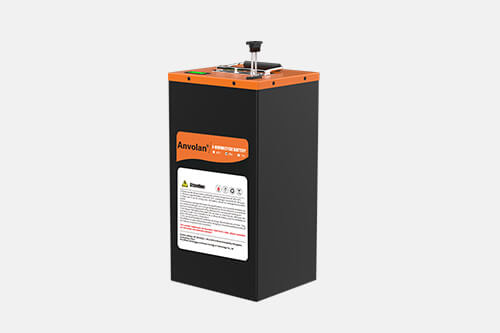
The choice of battery chemistry is the most significant factor in improving energy density. LiFePO4 batteries have a much higher energy density than traditional lead-acid batteries, typically ranging from 100-150 Wh/kg, compared to 30-50 Wh/kg for lead-acid batteries. This means that a LiFePO4 battery with the same weight as a lead-acid battery can store 2-3 times more energy, significantly extending the golf cart’s range. For example, a 48V 105Ah LiFePO4 battery pack weighs only 63 pounds, while an equivalent lead-acid battery pack weighs 360 pounds, and the LiFePO4 pack provides a much longer runtime. Additionally, manufacturers are continuously optimizing the LiFePO4 chemistry by improving the purity of the active materials and adjusting the electrode formulation, further increasing energy density. For example, using nano-scale LiFePO4 active materials increases the specific surface area of the electrodes, allowing more lithium ions to participate in the chemical reaction, thereby improving energy storage capacity.
Optimizations in electrode materials and structure also contribute to higher energy density. The positive electrode of LiFePO4 batteries is made of LiFePO4, while the negative electrode is typically made of graphite. By modifying the graphite negative electrode to include silicon-based materials, the energy density can be further increased, as silicon can store more lithium ions than graphite. However, silicon expands significantly during charging and discharging, so manufacturers use composite materials or nanostructured silicon to mitigate this issue. The electrode structure is also optimized by reducing the thickness of the electrode layers and increasing the loading of active materials, which increases the energy storage capacity per unit volume. Additionally, using high-conductivity current collectors, such as copper foil for the negative electrode and aluminum foil for the positive electrode, reduces internal resistance, allowing the battery to deliver more energy efficiently.
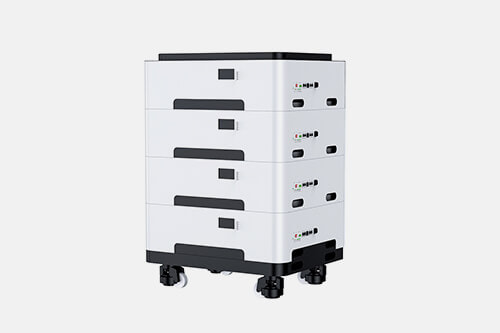
Structural design optimizations of the battery pack also play a role in improving energy density. By using compact cell arrangements and reducing the volume of non-energy-storing components (such as the casing, cooling system, and wiring), the overall energy density of the battery pack is increased. For example, the Cell-To-Chassis (CTC) design used in some high-end models integrates the battery cells directly into the chassis, reducing the need for additional packaging and increasing energy density. Redway Battery’s LiFePO4 golf cart batteries offer three times the energy density of lead-acid batteries, and their lightweight design (35-60% lighter than lead-acid) further enhances the golf cart’s performance, including a 15% improvement in climbing speed. Additionally, the use of modular battery designs allows users to expand the battery capacity as needed, providing flexibility while maintaining high energy density. Field tests have shown that golf cart batteries with improved energy density can provide a range of 50-100 miles per charge, compared to 20-40 miles for traditional lead-acid batteries. This significantly improves the usability of golf carts, reducing the need for frequent recharging and increasing operational efficiency.
Be the first to receive our latest news, how-to user guides,
and exclusive deals! Subscribe now.

 Headquarter Address:10F, Building 25, N0. 179 Fengguan, Dongshen Road, Dongguan, Guangdong
 Factory Address:Building 3, Area D, Shengyang Science and Technology Industrial Park, East District of Suichuan County Industrial Park, Ji'an, Jiangxi
 Headquarter Telephone No.:+86 769 2366 8529
Factory Telephone No.:+86 796 6111618
 Contact Person:Kevin Chen
 Email Address:chen@xpower-world.com