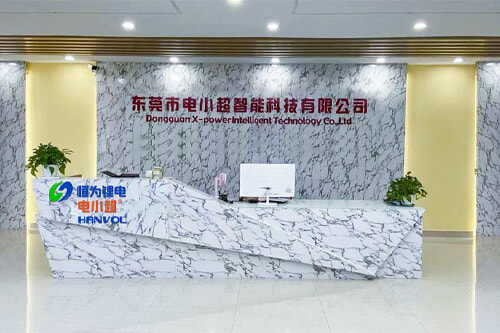
Global layout
 +86 769 2366 8529




Time:2026-09-16 Views:23
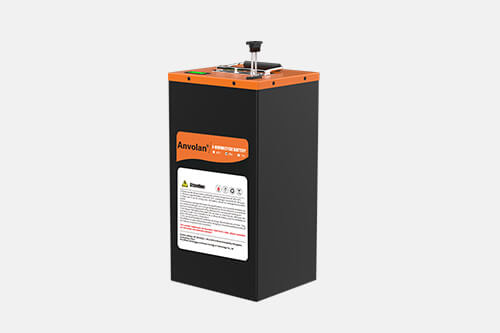
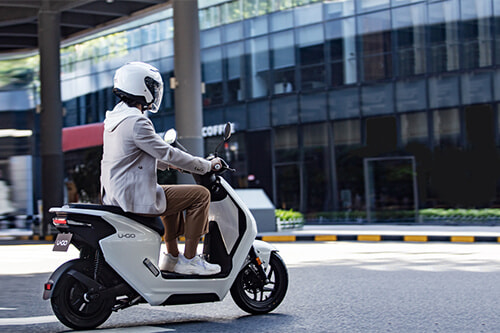
In scenarios such as short-distance shuttling, park commuting, scenic sightseeing and factory material transportation, electric mini carts keep growing in market demand thanks to their compact size and low energy consumption. The vehicle’s driving range, safety performance, cycle life and low-temperature adaptability are all determined by the underlying R&D level of power batteries. As an R&D-oriented enterprise specializing in LiFePO4 batteries for electric mini carts, we focus on four core R&D lines: battery material systems, cell structures, BMS battery management systems and PACK integration. Moving beyond the design logic of general energy storage batteries, we conduct targeted R&D to match the unique working conditions of mini carts, including fluctuating loads, frequent start-stop cycles, limited installation space and multi-scenario outdoor operation. We carry out full-link iteration from material formulas to complete systems, solving common drawbacks of conventional batteries on mini carts, such as swelling, sharp range drop, severe capacity loss at low temperatures, failed overload protection and poor installation compatibility, delivering high-safety, long-cycle and highly matched power battery solutions for electric mini carts.
Material system forms the foundation of battery R&D. To cope with instantaneous high-current shocks caused by frequent start-stop of electric mini carts, our R&D team optimizes the nano-coating process of LiFePO4 cathode materials and adjusts the carbon doping ratio to improve electrical conductivity and structural stability. Conventional generic LiFePO4 cells suffer gradual crystal degradation and accelerated capacity fading under repeated pulse charge-discharge cycles. Through material modification research, we strengthen the lattice stability of cathodes, restrain lattice collapse during charging and discharging, and enhance the cell’s tolerance to pulse high current. Meanwhile, we optimize the graphite anode formula to match the charge-discharge curve of low-speed power systems for mini carts, reduce lithium precipitation risks and greatly improve capacity retention during repeated cycles. The electrolyte formula has also been tuned after dozens of rounds of tests. We adopt highly stable flame-retardant electrolyte to boost cell thermal stability and significantly reduce thermal runaway risks under extreme conditions such as nail penetration and extrusion, establishing solid safety barriers starting from raw materials.
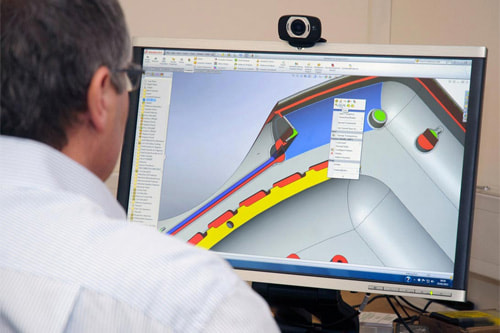
Cell structure R&D is developed around the compact installation space and lightweight requirements of mini carts. The battery compartment of electric mini carts is rather limited. Generic cells with fixed dimensions usually lead to unreasonable PACK layout, low space utilization and extra vehicle weight gain. According to the battery compartment structure of different vehicle models, our R&D team customizes cell profiles and tab layouts, and optimizes electrode coating and calendaring processes to boost volumetric utilization while maintaining proper energy density. Tab welding technology is upgraded to reduce internal resistance and heat generation under high-current operation. Considering the bumpy and vibrating working environment of mini carts, we optimize the separator and electrode stacking structure inside cells to resist vibration, minimizing hidden dangers such as electrode displacement and internal short circuits induced by long-term vibration, and improving cell reliability under dynamic vehicle conditions.
The BMS battery management system acts as the core R&D brain of the complete power battery and is critical to matching the power characteristics of electric mini carts. Most commercial general BMS are designed for passenger cars or energy storage equipment and cannot adapt to the low-speed, frequent start-stop and low continuous power output features of mini carts. We independently develop BMS main control algorithms tailored for mini cart operating conditions, realizing millisecond-level sampling of cell voltage, temperature and current. Optimized balancing strategies combining static and dynamic modes are adopted to narrow cell voltage differences and slow down capacity decay of the whole battery pack. Multi-level protection logic is integrated, with linked triggers for overcharge, overdischarge, overcurrent, high temperature, low temperature and short-circuit protection. During R&D, tens of thousands of vehicle condition simulations and real road tests are completed to optimize low-temperature charge-discharge thresholds and ease the sharp range drop in cold winter. Communication ports are reserved for interaction with vehicle controllers to enable real-time battery status reporting and vehicle fault diagnosis.
PACK integration R&D focuses on vehicle-level matching and environmental adaptability. Combining installation, waterproofing and shock resistance requirements of electric mini carts, the R&D team designs lightweight battery pack housings with high-strength lightweight materials and optimized sealing structures to achieve IP65 protection, adapting to rainy outdoor and humid factory environments. Thermal simulation is applied to design internal heat dissipation channels rationally to control temperature rise and avoid local hotspots. At the R&D verification stage, battery packs must pass a full set of reliability tests including high-low temperature cycling, vibration shock, water immersion, extrusion and accelerated aging, complying with automotive power battery standards.
From the R&D perspective, power batteries for electric mini carts are not simple transplantation of standard energy storage batteries, but power systems requiring co-development with complete vehicles. We stick to scenario-driven R&D and continuously iterate materials, cells, BMS and PACK technologies to make breakthroughs in safety, cycle life, low-temperature performance and space adaptability. Our self-developed LiFePO4 battery solutions are applicable to scenic sightseeing carts, factory transfer trolleys and community commuting mini electric vehicles, helping vehicle manufacturers simplify battery matching processes, shorten new car R&D cycles and improve overall vehicle quality and market competitiveness.
Be the first to receive our latest news, how-to user guides,
and exclusive deals! Subscribe now.

 Headquarter Address:10F, Building 25, N0. 179 Fengguan, Dongshen Road, Dongguan, Guangdong
 Factory Address:Building 3, Area D, Shengyang Science and Technology Industrial Park, East District of Suichuan County Industrial Park, Ji'an, Jiangxi
 Headquarter Telephone No.:+86 769 2366 8529
Factory Telephone No.:+86 796 6111618
 Contact Person:Kevin Chen
 Email Address:chen@xpower-world.com