Global layout
 +86 769 2366 8529




Time:2026-04-15 Views:82
In the context of rapid development in modern electric mobility and intelligent logistics, the **Electric Mini Cart Battery system** has become the core power source for small electric vehicles and smart handling equipment. It not only determines the endurance and operational efficiency of the device but also directly impacts overall performance, safety, and user experience, making it an indispensable “energy core” in electric mini cart systems.
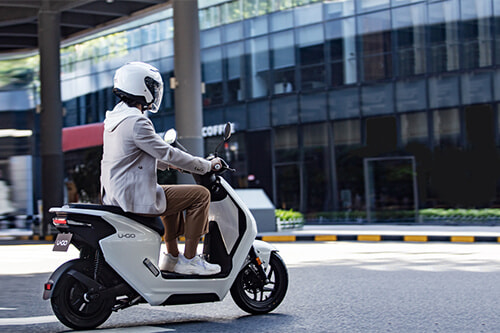
Electric mini carts are widely used in industrial material handling, warehouse logistics, commercial delivery, airport baggage transportation, hospital material transfer, as well as short-distance transportation in residential and campus environments. Compared with traditional manual carts, electric mini carts use battery-powered propulsion to achieve automation, significantly reducing labor costs and improving transportation efficiency. As the power source, the battery system directly defines the practical value of the entire vehicle.
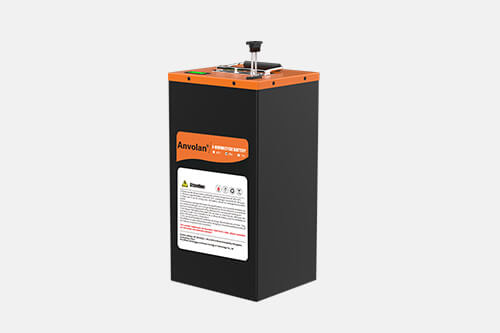
Modern electric mini cart battery systems typically adopt high-performance lithium battery technologies, including lithium-ion (Li-ion) and lithium iron phosphate (LiFePO4) batteries. Compared to traditional lead-acid batteries, lithium batteries offer higher energy density, lighter weight, and longer cycle life, making the equipment more portable and efficient. In particular, LiFePO4 batteries are widely used in industrial-grade electric carts due to their excellent thermal stability and safety performance.
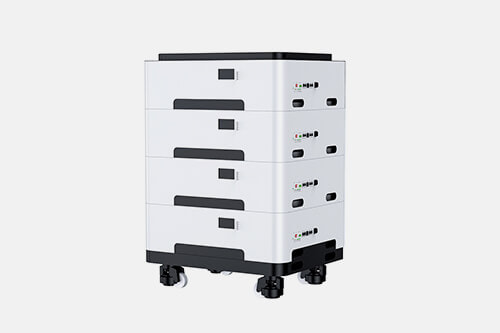
Structurally, electric mini cart batteries are usually designed with a modular and removable structure, allowing users to quickly replace or recharge battery packs based on operational needs. This significantly improves continuous working capability and prevents downtime caused by charging. Some advanced systems also support dual-battery switching modes, enabling uninterrupted operation and further enhancing logistics efficiency.
In terms of performance, these battery systems are equipped with a smart Battery Management System (BMS). The BMS monitors voltage, current, temperature, and remaining capacity in real time while performing dynamic adjustments and safety protection. Multiple protection mechanisms such as overcharge, over-discharge, overcurrent, short-circuit, and thermal control ensure safe and stable operation under various conditions.
Battery life is one of the most critical user concerns. High-quality electric mini cart batteries can support several hours to over ten hours of continuous operation, depending on load, terrain, and power demand. Optimized energy output curves ensure stable performance under varying workloads, preventing power drop or inconsistent speed.
In terms of charging technology, modern battery systems commonly support fast-charging capabilities. Some advanced models can reach 80% charge in a short time, significantly reducing downtime and improving operational efficiency. Intelligent charging management systems also adjust charging current based on battery status to extend lifespan and reduce degradation.
From a safety perspective, electric mini cart batteries feature multi-layer protection designs, including shock-resistant housings, waterproof sealing, and flame-retardant materials. These allow the system to operate in complex environments such as vibrating warehouses, humid outdoor areas, or low-temperature conditions. Internal structures are also optimized to prevent overheating and short-circuit risks.
In industrial applications, electric mini cart battery systems are driving automation and intelligence in logistics. From large warehouse material handling to airport and station baggage transport, battery-powered carts significantly improve efficiency and reduce labor intensity. In hospitals and laboratories, their low noise and zero-emission characteristics make them an ideal solution.
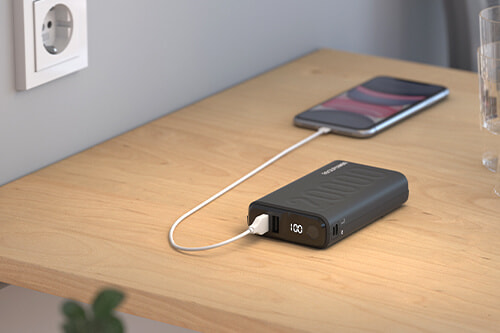
In household and light-duty applications, small electric mini carts also rely on efficient battery systems for garden transport, shopping assistance, and short-distance material handling. These applications require lightweight and easy-to-use battery designs, often favoring removable lithium batteries for convenience.
With the advancement of new energy technologies, electric mini cart batteries continue to evolve. Future trends include higher energy density cells, longer lifecycle systems, wireless charging, and IoT-based smart battery management systems. These innovations will further enhance device intelligence, enabling remote monitoring, energy prediction, and automatic maintenance alerts.
From an environmental perspective, lithium batteries offer significant advantages over fuel-based or lead-acid systems. They reduce carbon emissions and are recyclable, supporting green logistics and sustainable development strategies. More companies are prioritizing eco-friendly battery solutions to balance economic performance with environmental responsibility.
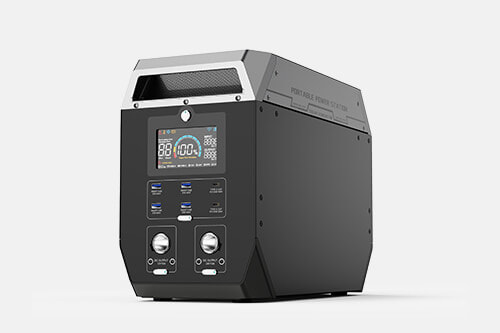
From a user experience standpoint, modern electric mini cart batteries emphasize efficiency, stability, and usability. Lightweight designs simplify replacement, clear battery indicators provide real-time status, and stable output ensures reliable performance under various working conditions.
In conclusion, the **Electric Mini Cart Battery system** serves as the core power source for electric handling equipment, integrating high-energy density technology, intelligent management systems, and advanced safety design. It not only enhances operational efficiency but also ensures safe and reliable performance, playing a vital role in upgrading traditional handling methods and providing a solid energy foundation for modern logistics and intelligent transportation systems.
Be the first to receive our latest news, how-to user guides,
and exclusive deals! Subscribe now.

 Headquarter Address:10F, Building 25, N0. 179 Fengguan, Dongshen Road, Dongguan, Guangdong
 Factory Address:Building 3, Area D, Shengyang Science and Technology Industrial Park, East District of Suichuan County Industrial Park, Ji'an, Jiangxi
 Headquarter Telephone No.:+86 769 2366 8529
Factory Telephone No.:+86 796 6111618
 Contact Person:Kevin Chen
 Email Address:chen@xpower-world.com