Global layout
 +86 769 2366 8529




Time:2026-07-07 Views:118
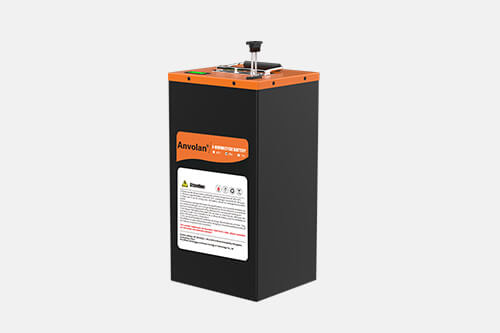
As special low-speed vehicles for golf course transportation, scenic spot sightseeing, park shuttle and resort commuting, electric golf carts have operating characteristics different from ordinary electric vehicles, including frequent start-stop, low-speed constant-speed driving, small-gradient climbing, all-weather outdoor operation, long-term standby and intermittent high-frequency operation. The battery’s working condition adaptation capability directly determines the vehicle’s operation stability, cruising consistency and service life. The Electric Golf Cart with 60V 100Ah Lithium Battery, equipped with a 60V 100Ah lithium battery, is the mainstream configuration for commercial sightseeing and golf course vehicles. It accurately matches the power parameters of mainstream 3kW to 6kW motors and controllers within 400A for golf carts. With the advantages of large-capacity energy storage, stable discharge characteristics and wide temperature adaptation, it perfectly fits various complex normalized working conditions, completely solving the pain points of traditional lead-acid batteries such as rapid cruising attenuation, weak power, poor temperature resistance and high failure rate under high-frequency working conditions. From a professional working condition perspective, this paper deeply analyzes the road driving conditions, load conditions, temperature and humidity conditions, start-stop conditions and standby condition adaptation characteristics of the electric golf cart equipped with 60V 100Ah lithium battery, summarizes the operation rules and common problems under different working conditions, and proposes targeted working condition adaptation optimization schemes and maintenance strategies to fully release the vehicle’s working condition adaptation advantages and ensure all-weather stable operation.
Road driving conditions are the core basic operation scenarios of electric golf carts, which directly determine the battery’s discharge rhythm and power output state. The road surfaces of golf courses, landscape scenic spots and high-end parks are mainly flat paved roads, slightly undulating lawn roads and gentle slope roads, without high-intensity working conditions such as steep slopes, extreme-speed driving and cross-country bumping, which adapt to the low-speed constant-current discharge characteristics of 60V 100Ah lithium batteries. With a rated energy storage of 6kWh, the battery pack supports stable continuous discharge of 100A and instantaneous peak discharge of 350A, perfectly adapting to the low-speed constant-speed driving working condition of golf carts within 20km/h, with linear and stable overall power output and no large voltage fluctuation or power stuttering. When driving on slightly undulating roads, the battery can adaptively adjust to small current fluctuations and output balanced power continuously to ensure smooth vehicle driving. For the common 5° to 12° gentle slope sections on golf courses, the instantaneous peak current can quickly supplement climbing torque without power attenuation and dragging during climbing. Compared with lead-acid batteries, this lithium battery has an energy conversion efficiency of over 95% under long-term constant-speed working conditions without invalid energy consumption loss. A single full charge supports continuous driving for 8 to 10 hours, fully covering the daily normalized operation of golf courses, avoiding midway power failure and sudden cruising range drop, and adapting to low-speed driving site conditions of all flat, slightly undulating and gentle slope roads.
Load condition adaptation is the core index to measure the practicability of Electric Golf Cart with 60V 100Ah Lithium Battery. The load working conditions of golf carts are characterized by alternating passenger and cargo carrying, dynamic load changes and long-term constant load operation. Conventional two-seater and four-seater electric golf carts have light self-weight and moderate rated load. Daily passenger and golf equipment carrying belongs to light and medium constant load working conditions. The 60V 100Ah lithium battery can maintain stable discharge with ultra-low internal resistance, low core loss and no premature aging during long-term light-load operation. Under high-frequency full-load working conditions such as event reception and park sightseeing, the vehicle runs continuously with rated load, and the battery can maintain stable voltage output, avoiding the common defect of sudden voltage drop and weak power of lead-acid batteries under full load. Meanwhile, the battery supports dynamic load switching, which can quickly adapt to the working condition switching of no-load cruise, light-load commuting and full-load climbing, with sensitive current adjustment and no lag. It will not cause overheating and unbalanced voltage difference due to sudden load changes. In view of the daily high-frequency load switching and long-term constant load operation characteristics of golf courses, this lithium battery has far better working condition tolerance than traditional batteries, can adapt to dynamic load working conditions for a long time, and ensure operation stability under different load weights.
All-weather temperature and humidity working condition adaptation is a rigid demand for outdoor operating golf carts. Electric golf carts are parked outdoors all year round and operate all weather, facing complex environmental working conditions such as seasonal temperature differences, rainy and humid weather, high-temperature exposure and low-temperature severe cold. The 60V 100Ah lithium iron phosphate battery pack has an ultra-wide temperature working condition adaptation range of -20℃ to 60℃, perfectly adapting to all-season outdoor operation scenarios. Under summer high-temperature working conditions, the outdoor temperature of golf courses can exceed 50℃. This battery has excellent high-temperature resistance, no thermal runaway risk under high-temperature environments, extremely low core attenuation rate, and no obvious decline in cruising range and power after long-term high-frequency operation in hot weather. Equipped with IP67-level waterproof and dustproof structure, it can resist summer plum rain and rainy humid working conditions, avoiding circuit faults caused by water vapor intrusion. Under winter low-temperature working conditions, the capacity of ordinary lead-acid batteries will be halved and fail to discharge normally, while this lithium battery has strong low-temperature activity, retaining more than 75% of effective capacity at -10℃ and supporting normal startup and operation at an extreme low temperature of -20℃, adapting to winter low-temperature working conditions in northern parks and high-altitude golf courses. Meanwhile, the battery can adapt to complex environmental working conditions such as outdoor high humidity, heavy dust and dew. The sealed structure can effectively prevent dust and moisture, avoid working condition faults caused by environmental factors, and realize uninterrupted stable operation throughout the year.
Start-stop and intermittent operation working conditions are typical working conditions that distinguish electric golf carts from ordinary electric vehicles, and are also the key to testing the battery’s cycle tolerance. Golf course vehicles and scenic spot sightseeing vehicles have no demand for long-distance continuous driving, and mostly adopt the mode of short-distance driving, frequent start-stop, fixed-point parking and intermittent operation, with hundreds of start-stop times every day. Traditional lead-acid batteries cannot tolerate frequent start-stop impacts, and repeated instantaneous high-current start-stop will accelerate plate aging, resulting in cruising range scrapping in only 1 to 2 years. In contrast, the Electric Golf Cart with 60V 100Ah Lithium Battery is equipped with an intelligent BMS current regulation system, which can perfectly adapt to high-frequency start-stop working conditions, accurately buffer instantaneous high current at start and stop, avoid core damage caused by current impact, and greatly improve intermittent working condition tolerance. Under the intermittent working conditions of fixed-point reception, patrol shuttle and standby waiting, the battery can enter a low-power standby mode with extremely low static power consumption, no power deficit and excessive self-discharge, and can be started at any time after long-term parking without frequent recharging. In view of the alternating working conditions of concentrated morning and evening operation and intermittent shutdown at noon of golf carts, the battery can adapt to the alternating mode of high-frequency operation and long-term standby, with a cycle life of more than 2000 times, perfectly fitting the exclusive intermittent start-stop working condition characteristics of golf carts.
Long-term standby and low-load operation condition adaptation effectively reduces the failure probability and operation and maintenance costs of golf carts during idle periods. Golf course and park golf carts have obvious seasonal off-peak and time-based idle characteristics, and vehicles are left standing for a long time during non-operation periods. Ordinary batteries are prone to power deficit, vulcanization and core failure after long-term static placement. The 60V 100Ah lithium battery has an extremely low self-discharge rate of less than 3% per month, adapting to long-term static standby working conditions, retaining sufficient power after 1 to 2 months of idling without frequent maintenance charging. At the same time, the battery has an automatic core balancing and calibration function. Under long-term low-load standby working conditions, it can automatically balance the voltage difference of single cells, avoiding enlarged voltage difference and core aging caused by static placement, with stable power and cruising range after restarting. In view of the differentiated working conditions of low-frequency use in off-seasons and high-frequency operation in peak seasons, the battery can flexibly adapt to high and low load switching without blind spots in working condition adaptation, and will not suffer performance attenuation due to long-term idling and low-frequency use, greatly adapting to the special operation schedule working conditions of the cultural tourism and golf course industries.
Optimizing the usage method according to full-dimensional working condition characteristics can maximize the working condition adaptation advantages and extend the service life of Electric Golf Cart with 60V 100Ah Lithium Battery. Under high-frequency start-stop operation conditions, avoid frequent sudden start-stop and continuous instantaneous high-current output; gentle operation can further reduce core loss. Under high-temperature outdoor working conditions, shade and ventilate in time during operation intervals to avoid continuous heat accumulation of the battery from exposure. Under winter low-temperature working conditions, pre-charge and preheat before startup to avoid high-current climbing at low temperatures. Under long-term standby working conditions, keep 50% to 60% power for static placement and perform shallow charge and discharge calibration monthly to calibrate the core state. Regularly inspect the battery status according to site working conditions: focus on checking discharge stability for sites with frequent slight undulations and gentle slopes, and verify waterproof and sealing performance for humid outdoor sites. Compared with traditional batteries, this lithium battery perfectly adapts to all exclusive operating working conditions of electric golf carts, solves the industry pain points of poor vehicle working condition adaptation, high failure rate and cumbersome operation and maintenance, and serves as the power configuration with the best working condition adaptability for electric golf carts at present.
Be the first to receive our latest news, how-to user guides,
and exclusive deals! Subscribe now.

 Headquarter Address:10F, Building 25, N0. 179 Fengguan, Dongshen Road, Dongguan, Guangdong
 Factory Address:Building 3, Area D, Shengyang Science and Technology Industrial Park, East District of Suichuan County Industrial Park, Ji'an, Jiangxi
 Headquarter Telephone No.:+86 769 2366 8529
Factory Telephone No.:+86 796 6111618
 Contact Person:Kevin Chen
 Email Address:chen@xpower-world.com