Global layout
 +86 769 2366 8529




Time:2026-05-25 Views:84
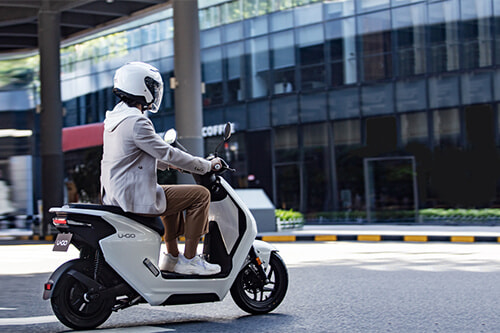
E-motorcycles have become a popular choice for urban commuting due to their environmental friendliness, energy efficiency, and low operating costs, with the battery serving as their core component. Regardless of the battery type (lithium-ion, lead-acid, or other advanced variants) or e-motorcycle model, there are common maintenance principles that users must follow to extend battery lifespan, ensure safe operation, and maintain optimal performance. These commonalities stem from the basic working mechanism of batteries and the shared challenges they face in daily use, such as charge-discharge cycles, environmental impacts, and component wear.
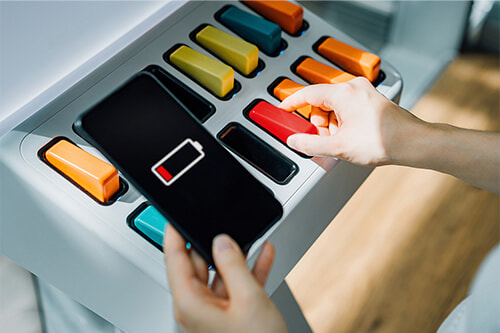
One of the most fundamental commonalities in e-motorcycle battery maintenance is proper charge-discharge management. Regardless of the battery type, frequent deep discharge (using the battery until it is completely dead) and overcharging (leaving the battery connected to the charger after it is fully charged) are harmful to battery life. For lithium-ion batteries, which are widely used in modern e-motorcycles, it is recommended to charge the battery when the remaining power is 20%-30% and stop charging once it reaches 80%-90% to avoid damaging the battery cells. Lead-acid batteries also require similar care—avoiding deep discharge and overcharging to prevent plate sulfation, which reduces battery capacity. Additionally, using the original or compatible charger is crucial, as mismatched chargers can cause incomplete charging, overheating, or even battery damage.
Regular inspection and cleaning of battery components are another common maintenance requirement. E-motorcycle batteries are exposed to harsh environments such as dust, moisture, and vibration during use, which can lead to loose connectors, corrosion, or poor heat dissipation. Users should regularly check the battery case for damage, the connectors for looseness or corrosion, and clean the battery surface with a dry cloth to remove dust and oil stains. For lithium-ion batteries, checking the BMS (Battery Management System) regularly is also important to ensure it is functioning properly—BMS protects the battery from overcurrent, overvoltage, and overheating, and any malfunction can lead to battery damage or safety risks. Additionally, checking the battery’s voltage and state of health (SOH) periodically can help identify potential issues early.
Environmental protection and proper storage are also common maintenance practices for e-motorcycle batteries. Extreme temperatures—both high and low—significantly affect battery performance and lifespan. Batteries should be kept in a dry, cool environment, avoiding direct sunlight, high humidity, or extreme cold (below 0℃ or above 40℃). In cold weather, it is recommended to store the battery indoors to prevent capacity loss, while in hot weather, avoid charging or using the e-motorcycle for extended periods. If the e-motorcycle is not used for a long time (more than one month), the battery should be charged to 50%-60% of its capacity and stored in a cool, dry place, with regular recharging every 1-2 months to prevent deep self-discharge. Finally, proper disposal of batteries (waste batteries) is a common responsibility—users should hand over waste batteries to professional recycling institutions to avoid environmental pollution, as both lead-acid and lithium-ion batteries contain materials that can harm the environment if discarded randomly.
Be the first to receive our latest news, how-to user guides,
and exclusive deals! Subscribe now.

 Headquarter Address:10F, Building 25, N0. 179 Fengguan, Dongshen Road, Dongguan, Guangdong
 Factory Address:Building 3, Area D, Shengyang Science and Technology Industrial Park, East District of Suichuan County Industrial Park, Ji'an, Jiangxi
 Headquarter Telephone No.:+86 769 2366 8529
Factory Telephone No.:+86 796 6111618
 Contact Person:Kevin Chen
 Email Address:chen@xpower-world.com