Global layout
 +86 769 2366 8529




Time:2026-09-15 Views:132
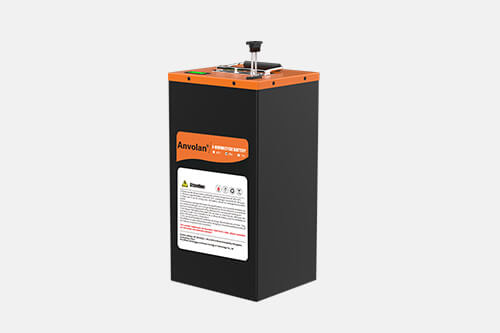
Electric tricycles are essential transportation tools for urban and rural logistics distribution, environmental sanitation operations, short-distance freight and daily travel, widely used in high-frequency commercial scenarios such as express delivery, township cargo transportation, community cleaning and short-distance construction transfer. As the core power source of the whole vehicle, the battery directly determines the operating efficiency, cruising range, operation and maintenance cost and attendance stability of electric tricycles. Compared with traditional lead-acid batteries, special lithium batteries for electric tricycles thoroughly solve industrial pain points of traditional batteries such as short cruising range, slow charging, easy damage, cumbersome maintenance and frequent replacement with the core characteristics of lightweight, long service life, high efficiency, high safety and maintenance-free performance. From the perspective of commercial operation, lithium batteries are not only upgraded power accessories, but also essential configurations to improve fleet turnover efficiency, reduce full-cycle operating costs and ensure all-weather stable attendance, becoming the mainstream upgrade solution for commercial electric tricycles.
Lightweight optimization is the fundamental core advantage of lithium batteries to improve the commercial value of tricycles. Traditional lead-acid batteries are bulky and heavy, occupying most of the vehicle’s load quota, reducing the effective cargo capacity of tricycles and causing high energy consumption and weak power during heavy-load driving. In contrast, electric tricycle lithium batteries feature greatly improved energy density, with only one-third of the weight and more compact volume compared with lead-acid batteries of the same capacity. The lightweight battery structure effectively reduces the overall vehicle weight, cuts energy consumption during driving, and improves the power response speed during vehicle starting and climbing. In high-frequency cargo delivery scenarios, the weight reduction advantage increases single cargo capacity and reduces energy consumption per kilometer, bringing considerable energy-saving benefits in long-term operation. It also reduces long-term frame load loss and extends the overall vehicle service life, adapting to long-term high-intensity commercial operation conditions.
Efficient charging and zero memory characteristics greatly improve vehicle operation turnover efficiency and perfectly adapt to high-frequency commercial operation requirements. Traditional lead-acid batteries require 6 to 8 hours for full charging with long standby time, failing to meet the commercial rhythm of continuous daily operation and rapid night power replenishment, which greatly reduces the daily effective operation time of vehicles. Professional tricycle lithium batteries support high-current fast charging, achieving full power replenishment within 2 to 3 hours. With zero memory effect, they support random charging without deep power discharge, adapting flexibly to fragmented power supplement scenarios. For vehicles operating all day such as express delivery, environmental sanitation and freight transportation, the fast charging function effectively shortens shutdown waiting time, increases daily attendance hours and operation frequency, and significantly improves the overall production capacity of the fleet, forming an irreplaceable efficiency advantage over traditional lead-acid batteries.
Ultra-long cycle life and low attenuation characteristics greatly reduce equipment iteration and replacement costs and optimize full-cycle economy. Commercial tricycles have high daily charge-discharge frequency and high operation intensity. Traditional lead-acid batteries have a cycle life of only 300 to 500 times and need overall replacement every 1 to 2 years under high-intensity working conditions, resulting in high long-term operating costs due to continuous maintenance and replacement expenses. In contrast, mainstream lithium iron phosphate batteries for tricycles achieve a cycle life of more than 2000 times, operating stably for 5 to 8 years under normal commercial conditions, three times the service life of lead-acid batteries. Meanwhile, lithium batteries have a stable discharge curve without cliff-like capacity attenuation in the later stage, maintaining consistent cruising performance throughout the service life and avoiding insufficient power and reduced mileage in later use. The low replacement frequency greatly reduces battery procurement, disassembly and labor costs, realizing cost reduction and efficiency improvement for commercial fleets.
Intelligent protection and strong environmental adaptability ensure all-weather stable operation of commercial vehicles. Qualified electric tricycle lithium batteries are equipped with a dedicated intelligent Battery Management System (BMS), providing multiple safety protections including overcharge, overdischarge, overcurrent, short circuit, high temperature and low voltage protection. It monitors cell status in real time, actively balances cell voltage differences, slows down battery aging and eliminates potential safety hazards such as thermal runaway and short circuits. Different from lead-acid batteries prone to vulcanization, liquid leakage and bulging, lithium batteries adopt a fully sealed maintenance-free structure with no regular water replenishment, rust removal or balancing maintenance required, achieving zero daily operation cost. They adapt to complex outdoor working conditions with high temperature, low temperature, humidity and vibration. In addition, lithium batteries have excellent low-temperature discharge performance with far less cruising attenuation than lead-acid batteries in winter, ensuring stable operation in four seasons and avoiding vehicle shutdowns caused by harsh weather, improving the stability and reliability of commercial operation.
In conclusion, electric tricycle lithium batteries comprehensively outperform traditional lead-acid batteries in four dimensions: operation efficiency, energy consumption control, cost management and safety stability. Against the background of continuously upgraded commercial operation scenarios and increasing high-frequency operation demands, lithium batteries have become the core upgrading trend of the electric tricycle industry with the comprehensive advantages of light weight, fast charging efficiency, long service life, maintenance-free performance and high safety. They not only solve various operational pain points of traditional batteries, but also continuously optimize the fleet operation system and reduce full-cycle operation and maintenance costs, serving as the optimal power configuration for commercial electric tricycles to improve quality, efficiency and operational stability at the current stage.
Be the first to receive our latest news, how-to user guides,
and exclusive deals! Subscribe now.

 Headquarter Address:10F, Building 25, N0. 179 Fengguan, Dongshen Road, Dongguan, Guangdong
 Factory Address:Building 3, Area D, Shengyang Science and Technology Industrial Park, East District of Suichuan County Industrial Park, Ji'an, Jiangxi
 Headquarter Telephone No.:+86 769 2366 8529
Factory Telephone No.:+86 796 6111618
 Contact Person:Kevin Chen
 Email Address:chen@xpower-world.com