Global layout
 +86 769 2366 8529




Time:2026-06-12 Views:31
The choice between lithium and lead-acid batteries for Citycoco scooters boils down to performance, lifespan, weight, and cost—each with distinct advantages and tradeoffs. Lithium batteries have become the standard for modern Citycoco models, while lead-acid batteries remain a budget-friendly option for entry-level scooters. Understanding the differences helps riders select the best battery type for their usage needs and budget.
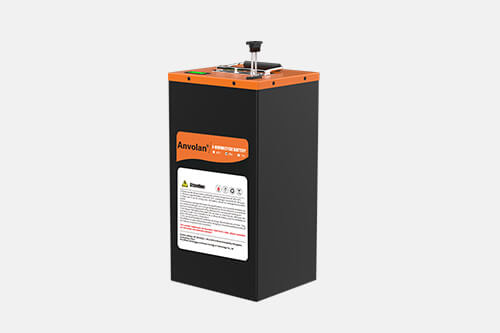
Performance-wise, lithium batteries outperform lead-acid by a wide margin. Lithium-ion batteries have an energy density of over 150 Wh/kg, compared to just 45–50 Wh/kg for lead-acid, meaning they store more energy in a lighter, smaller package. For Citycoco riders, this translates to longer range—typically 50–100 km on a single charge for a 60V 40Ah lithium battery, versus 30–50 km for a similarly sized lead-acid battery. Lithium batteries also maintain consistent voltage throughout their discharge cycle, ensuring the motor delivers full power until the battery is nearly empty. Lead-acid batteries, by contrast, experience significant voltage drop as they discharge, leading to reduced speed and acceleration.
Lifespan and maintenance are another key differentiator. Lithium batteries feature a cycle life of 1,000–2,000 charge cycles, with high-quality LiFePO4 models lasting up to 6,000 cycles. They require no maintenance—no need to add water or check electrolyte levels—and can be stored for months without significant capacity loss. Lead-acid batteries have a much shorter cycle life of 200–500 cycles and require regular maintenance, including watering and equalization charging, to prevent sulfation and premature failure. Over time, the cost of replacing lead-acid batteries multiple times often exceeds the initial savings, making lithium more cost-effective in the long run.
Weight and practicality also favor lithium batteries. A 60V 40Ah lithium battery weighs approximately 15–20 kg, while a comparable lead-acid battery weighs 40–50 kg. The lighter lithium battery reduces the scooter’s overall weight, improving handling, acceleration, and maneuverability—especially important for urban commuting. Lithium batteries are also removable, allowing riders to charge them indoors or carry a spare for extended trips. Lead-acid batteries are often bulky and heavy, making them difficult to remove or transport.
The primary advantage of lead-acid batteries is their lower upfront cost. A 60V 20Ah lead-acid battery typically costs $200–$400, while a similar lithium battery costs $600–$1,200. For casual riders who use their Citycoco scooter infrequently and prioritize low initial investment, lead-acid may be a viable option. However, for daily commuters or riders seeking long-term reliability and performance, lithium batteries are the clear choice. They offer better range, longer lifespan, lower maintenance, and a superior riding experience—justifying the higher upfront cost.
Be the first to receive our latest news, how-to user guides,
and exclusive deals! Subscribe now.

 Headquarter Address:10F, Building 25, N0. 179 Fengguan, Dongshen Road, Dongguan, Guangdong
 Factory Address:Building 3, Area D, Shengyang Science and Technology Industrial Park, East District of Suichuan County Industrial Park, Ji'an, Jiangxi
 Headquarter Telephone No.:+86 769 2366 8529
Factory Telephone No.:+86 796 6111618
 Contact Person:Kevin Chen
 Email Address:chen@xpower-world.com