Global layout
 +86 769 2366 8529




Time:2026-06-22 Views:82
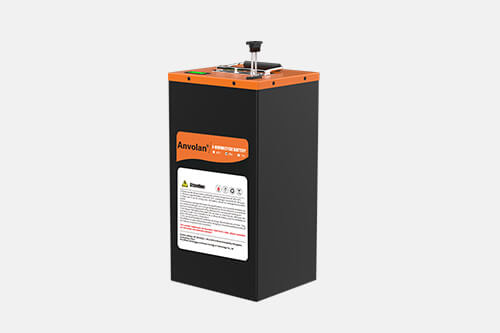
Citycoco batteries and EEC-certified batteries differ primarily in certification standards, performance consistency, and legal compliance for European roads. A standard Citycoco battery refers to any lithium-ion pack (usually 60V, 20–40Ah) designed for Citycoco-style fat-tire scooters, while an EEC battery meets strict European Economic Community regulations for safety, electromagnetic compatibility, and reliability. EEC certification ensures the battery complies with EN 15194 and ECE R10 standards, making it legal for registration and street use across EU member states.
Performance-wise, EEC-certified batteries offer more consistent quality and tighter manufacturing tolerances. They undergo rigorous testing for vibration resistance, thermal stability, and overcharge protection, with built-in BMS that meets EU safety mandates. In contrast, non-EEC Citycoco batteries may use generic cells with looser quality control, leading to variable range, faster capacity degradation, or inconsistent discharge rates under heavy loads. While both types power 2000–4000W motors, EEC batteries maintain stable voltage output during high-current acceleration, reducing the risk of thermal shutdowns.
Cost and availability also differ between the two. EEC-certified batteries cost 20–40% more than standard Citycoco packs due to certification expenses and higher-quality components. They are typically sold through authorized European distributors and come with proper documentation for vehicle registration. Non-EEC batteries are widely available from global suppliers at lower prices but may face customs seizure or registration rejection in the EU. For riders prioritizing legality, safety, and long-term reliability, EEC-certified batteries are the preferred choice, while budget users may opt for standard Citycoco batteries for off-road or non-EU use.
Be the first to receive our latest news, how-to user guides,
and exclusive deals! Subscribe now.

 Headquarter Address:10F, Building 25, N0. 179 Fengguan, Dongshen Road, Dongguan, Guangdong
 Factory Address:Building 3, Area D, Shengyang Science and Technology Industrial Park, East District of Suichuan County Industrial Park, Ji'an, Jiangxi
 Headquarter Telephone No.:+86 769 2366 8529
Factory Telephone No.:+86 796 6111618
 Contact Person:Kevin Chen
 Email Address:chen@xpower-world.com