Global layout
 +86 769 2366 8529




Time:2026-05-30 Views:96
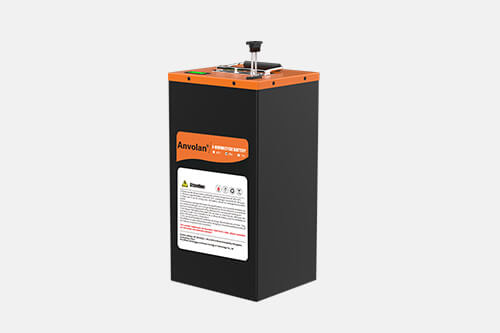
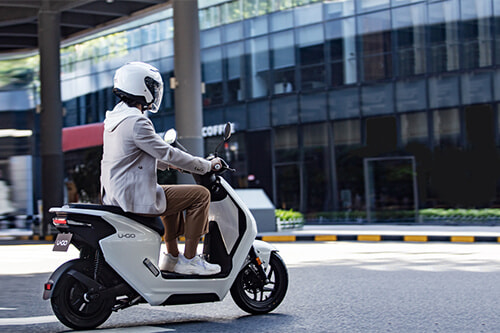
The weight of a Citycoco battery is a crucial factor that impacts the overall performance, maneuverability, and usability of the electric scooter, making it an important consideration for riders when choosing a battery. Citycoco batteries come in a range of weights, depending on factors such as battery type (lithium-ion vs. lead-acid), capacity, voltage, and design, with most models weighing between 5 kg and 12 kg. Understanding the weight of your Citycoco battery can help you make an informed decision about which battery is best for your needs, whether you prioritize portability, range, or power.
Lithium-ion and LiFePO4 batteries, which are the most common types used in Citycoco scooters, are significantly lighter than traditional lead-acid batteries, making them the preferred choice for most riders. A typical 48V 30Ah lithium-ion Citycoco battery weighs between 6 kg and 8 kg, while a 60V 30Ah lithium-ion battery weighs around 8 kg to 10 kg. In contrast, lead-acid batteries of the same capacity can weigh 15 kg or more, adding significant bulk to the scooter and making it difficult to maneuver, especially when lifting or transporting the battery. The lighter weight of lithium-based batteries also improves the scooter’s overall weight distribution, enhancing stability and handling—particularly important for Citycoco scooters with 12-inch tires, which rely on balanced weight to maintain control on various terrains.
The weight of the Citycoco battery also impacts portability, especially for riders who need to remove the battery for charging. A lighter battery (5-7 kg) is easier to carry up stairs, into offices, or onto public transportation, making it more convenient for daily commuters who don’t have access to a charging outlet near their parking spot. Heavier batteries (8-12 kg) may be more challenging to carry, but they often come with larger capacities, providing longer range—making them ideal for riders who take longer trips and don’t mind the extra weight. It’s important to strike a balance between portability and range: if you need to charge your battery frequently and carry it around, a lighter battery is better; if you prioritize longer range and don’t mind the extra weight, a heavier, higher-capacity battery may be the right choice.
Additionally, the weight of the Citycoco battery affects the scooter’s energy efficiency and range. A heavier battery adds to the overall weight of the scooter, which means the motor has to work harder to move the vehicle, increasing energy consumption and potentially reducing the range. However, this trade-off is often worth it for riders who need the extra capacity, as the higher Ah rating of heavier batteries typically offsets the increased energy consumption. For example, a 60V 30Ah battery (weighing 9-10 kg) may have a longer range than a 48V 20Ah battery (weighing 5-6 kg), even though it’s heavier. When choosing a Citycoco battery, it’s important to consider your typical riding habits: if you mostly ride short distances in the city, a lighter battery is sufficient; if you frequently ride longer distances or carry heavy loads, a heavier, higher-capacity battery is a better investment. Ultimately, the weight of the Citycoco battery is a key factor that should be aligned with your personal needs and riding style to ensure the best possible experience.
Be the first to receive our latest news, how-to user guides,
and exclusive deals! Subscribe now.

 Headquarter Address:10F, Building 25, N0. 179 Fengguan, Dongshen Road, Dongguan, Guangdong
 Factory Address:Building 3, Area D, Shengyang Science and Technology Industrial Park, East District of Suichuan County Industrial Park, Ji'an, Jiangxi
 Headquarter Telephone No.:+86 769 2366 8529
Factory Telephone No.:+86 796 6111618
 Contact Person:Kevin Chen
 Email Address:chen@xpower-world.com