Global layout
 +86 769 2366 8529




Time:2026-08-15 Views:32
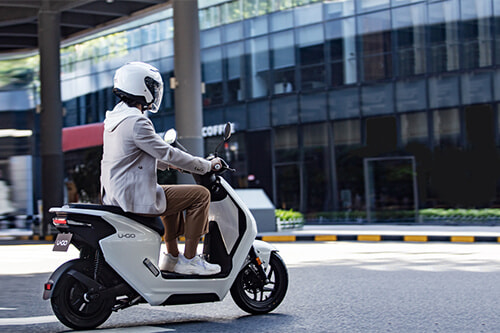
Regenerative braking is an efficient energy recovery technology widely equipped on modern Citycoco electric scooters, which can effectively optimize battery energy utilization efficiency and extend cruising range. The core working principle of Citycoco battery regenerative braking is to convert the kinetic energy generated during scooter deceleration, downhill sliding and braking into electrical energy, and feed it back to the battery for storage, realizing cyclic utilization of energy. Traditional electric scooters will completely lose kinetic energy in the form of friction heat during braking, while Citycoco models with regenerative braking function can recover 10% to 20% of energy in daily riding scenarios, greatly reducing battery power waste and improving overall endurance performance.
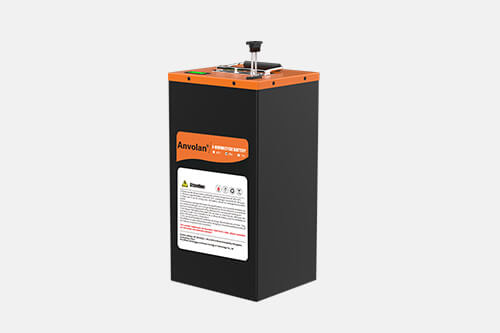
The Citycoco battery and vehicle controller form a matched regenerative braking control system to ensure stable and safe energy recovery. When the user releases the throttle or steps on the brake, the vehicle controller immediately sends a recovery signal, switches the motor from driving mode to power generation mode, and transmits the generated electric energy to the battery. At this time, the battery’s built-in BMS will monitor the incoming current and voltage in real time, filter unstable current pulses generated by instantaneous power generation, and adjust the charging rate to match the battery’s acceptable range. This linkage control avoids battery impact caused by instantaneous high current, protects the battery cell structure, and will not cause damage to battery life while realizing energy recovery.
Regenerative braking has obvious practical effects in daily riding scenarios of Citycoco scooters, especially suitable for urban road conditions with frequent start-stop and suburban downhill sections. In urban commuting with continuous traffic light switching, frequent deceleration and braking will continuously generate recoverable electric energy, which can effectively supplement the battery power consumed by frequent starts. For long downhill sections, the continuous sliding kinetic energy can be efficiently converted into electric energy to charge the battery, significantly reducing the frequency of manual charging. For users who commute short distances every day, the energy recovered by regenerative braking can increase the actual cruising range by 5 to 10 kilometers every day, greatly reducing daily power consumption.
Moreover, the regenerative braking function also indirectly extends the service life of Citycoco batteries. Traditional full-load discharge and frequent high-current discharge will accelerate battery aging, while regenerative braking realizes shallow charging and shallow discharging of the battery, which is the most friendly working state for lithium batteries. This working mode reduces the loss of battery active materials, maintains battery activity for a long time, and delays capacity attenuation. At the same time, the auxiliary braking effect brought by regenerative braking can reduce the wear of mechanical brake pads, reduce vehicle maintenance costs, and realize the dual value of energy saving and consumption reduction for both batteries and vehicles.
Be the first to receive our latest news, how-to user guides,
and exclusive deals! Subscribe now.

 Headquarter Address:10F, Building 25, N0. 179 Fengguan, Dongshen Road, Dongguan, Guangdong
 Factory Address:Building 3, Area D, Shengyang Science and Technology Industrial Park, East District of Suichuan County Industrial Park, Ji'an, Jiangxi
 Headquarter Telephone No.:+86 769 2366 8529
Factory Telephone No.:+86 796 6111618
 Contact Person:Kevin Chen
 Email Address:chen@xpower-world.com