Global layout
 +86 769 2366 8529




Time:2026-06-22 Views:163
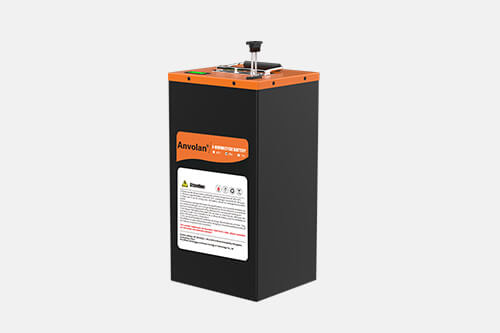
Citycoco lithium-ion batteries exhibit moderate performance degradation in low temperatures, with capacity and range dropping significantly below 10°C (50°F). At 0–10°C, typical lithium-ion (NMC) batteries lose 10–20% of rated capacity, while below 0°C, capacity can plummet by 30–50% due to slowed chemical reactions inside cells. In real-world testing, a 60V 20Ah Citycoco battery delivering 45km at 20°C may only achieve 36–40km at 5°C and 22–30km at -5°C. Cold temperatures also increase internal resistance, reducing peak power and acceleration.
LiFePO4 Citycoco batteries outperform standard NMC lithium-ion packs in cold conditions. LiFePO4 chemistry maintains 80–85% capacity at -10°C, compared to 50–60% for NMC cells. This superior cold tolerance makes LiFePO4 batteries ideal for winter use in temperate or subarctic regions. However, even LiFePO4 packs should not be charged below 0°C, as low-temperature charging can cause irreversible damage and shorten cycle life. Most modern Citycoco batteries include BMS with temperature sensors that prevent charging below 0–5°C to protect cells.
Practical tips to optimize low-temperature performance include preheating, gentle riding, and proper storage. Before riding in cold weather, warm the battery indoors to 15–20°C if possible, as this restores full capacity temporarily. During winter rides, avoid rapid acceleration and high speeds, which increase current draw and exacerbate voltage drop. Store the battery in a cool, dry place above 0°C when not in use, and keep it at 40–60% charge to minimize self-discharge and capacity loss. Following these practices ensures reliable Citycoco battery operation even in cold winter conditions.
Be the first to receive our latest news, how-to user guides,
and exclusive deals! Subscribe now.

 Headquarter Address:10F, Building 25, N0. 179 Fengguan, Dongshen Road, Dongguan, Guangdong
 Factory Address:Building 3, Area D, Shengyang Science and Technology Industrial Park, East District of Suichuan County Industrial Park, Ji'an, Jiangxi
 Headquarter Telephone No.:+86 769 2366 8529
Factory Telephone No.:+86 796 6111618
 Contact Person:Kevin Chen
 Email Address:chen@xpower-world.com