Global layout
 +86 769 2366 8529




Time:2026-05-20 Views:73
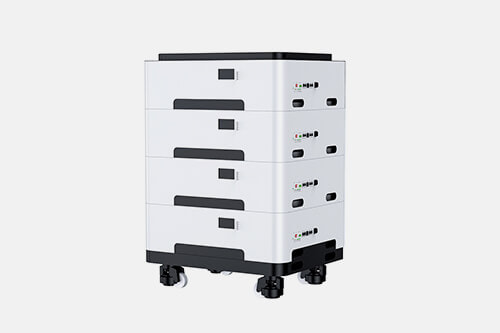
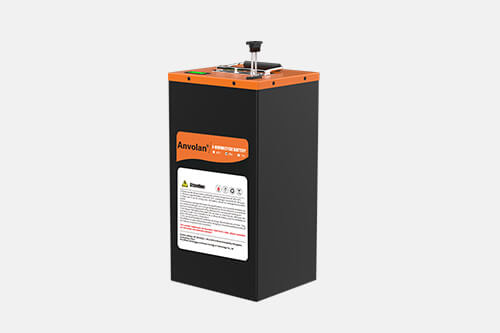
Lead acid replacement batteries, mainly lithium-ion batteries (such as LiFePO4) and advanced AGM batteries, are designed to replace traditional sealed lead-acid (SLA) batteries while maintaining full compatibility with existing equipment, which is the core requirement for their market application. The adaptability of lead acid replacement batteries mainly includes physical dimension adaptation, electrical parameter adaptation, and installation interface adaptation, ensuring that users can achieve "plug-and-play" replacement without modifying the original equipment, thus reducing renovation costs and improving user experience. Physical dimension adaptation is the most basic requirement: the length, width, height, and terminal position of the replacement battery must be completely consistent with the original lead-acid battery, so that it can fit perfectly into the battery compartment of the equipment, whether it is a golf cart, tricycle, UPS, or other devices that use lead-acid batteries.
Electrical parameter adaptation is crucial to ensure the normal operation of the equipment and the safety of the battery. The nominal voltage of the replacement battery must be consistent with the original lead-acid battery (such as 12V, 24V, 36V, 48V), and the charging and discharging current must match the equipment's requirements. For example, a 12V LiFePO4 battery used to replace a 12V AGM lead-acid battery must have the same voltage range during charging and discharging to avoid damage to the equipment's circuit or the battery itself. In addition, the replacement battery must be compatible with the original charger, or the manufacturer must provide a matching charger to ensure safe and efficient charging. It should be noted that if the original charger has a desulfation mode, it may damage the BMS (Battery Management System) of the lithium-ion replacement battery, so users need to confirm the charger's compatibility before replacement. The BMS of the replacement battery also needs to be adapted to the equipment's working conditions, with functions such as overcharge, over-discharge, short circuit, and over-temperature protection, ensuring the safety and stability of the battery during use, which is consistent with the safety requirements of tricycle and golf cart batteries.
Installation interface adaptation and functional compatibility further enhance the adaptability of lead acid replacement batteries. The terminal type and polarity of the replacement battery must be the same as the original lead-acid battery, ensuring that the connection with the equipment's wires is firm and correct, without loose contact or short circuit risks. For equipment with special requirements, such as golf carts and tricycles that need to work in harsh environments, the replacement battery must also meet the corresponding mechanical and environmental safety requirements, such as vibration resistance, impact resistance, dustproof, and waterproof, which are consistent with the technical requirements of tricycle battery systems (such as IP67 protection level, vibration and impact resistance tests). In addition, the replacement battery should have a longer cycle life (3-5 times that of lead-acid batteries) and higher energy density, while maintaining the same or better performance as the original lead-acid battery, ensuring that the equipment's working time and efficiency are not affected. The plug-and-play design, no need for regular maintenance, and multi-angle installation capabilities further improve the adaptability of lead acid replacement batteries, making them widely used in civil, industrial, and transportation fields.
Be the first to receive our latest news, how-to user guides,
and exclusive deals! Subscribe now.

 Headquarter Address:10F, Building 25, N0. 179 Fengguan, Dongshen Road, Dongguan, Guangdong
 Factory Address:Building 3, Area D, Shengyang Science and Technology Industrial Park, East District of Suichuan County Industrial Park, Ji'an, Jiangxi
 Headquarter Telephone No.:+86 769 2366 8529
Factory Telephone No.:+86 796 6111618
 Contact Person:Kevin Chen
 Email Address:chen@xpower-world.com