Global layout
 +86 769 2366 8529




Time:2026-05-26 Views:25
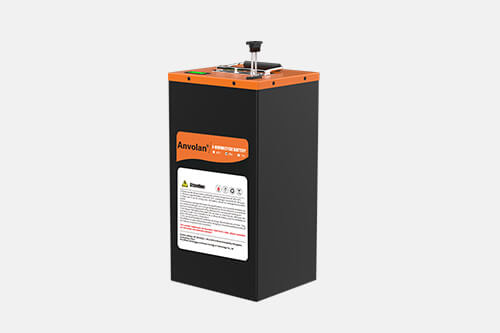
96V High-Voltage Electric Tricycle Lithium Battery: The Long-Lasting Power Choice for Heavy-Duty Travel
In high-frequency and heavy-duty scenarios of electric tricycles such as freight distribution, urban and rural commuting, and construction site operations, insufficient power, reduced battery life and vulnerable batteries are the core pain points of users. The 96V high-voltage electric tricycle lithium battery specifically solves industry problems. Adopting a high-voltage and high-performance architecture, it serves as the preferred power accessory for heavy-duty electric tricycles, fully replacing traditional lead-acid batteries and reshaping the power experience of tricycles.
Strong high-voltage power is its core highlight. The 96V high-voltage architecture effectively reduces operating current, minimizes line loss and body heat generation, and delivers stronger and more stable power output. The vehicle starts and accelerates faster with sufficient climbing torque. It maintains robust power without fatigue or stalling under heavy-load conditions such as steep slopes, muddy and bumpy roads, perfectly adapting to high-intensity usage needs including daily cargo transportation and long-distance commuting.
It boasts outstanding advantages in endurance and lightweight design. With far higher energy density than traditional lead-acid batteries, the lithium battery stores more power at the same volume and weight, effectively extending the cruising range and eliminating the trouble of frequent charging. Meanwhile, its lightweight structure greatly reduces weight compared with lead-acid batteries, lowering the driving load and power consumption of the vehicle while improving riding flexibility and controllability.
It features excellent safety, durability and cost performance. Equipped with an intelligent BMS, the battery monitors voltage, current and temperature in real time, with multiple protection functions against overcharging, overdischarging, short circuits and high temperatures to eliminate potential safety hazards. Featuring high-quality and stable cells, it achieves a cycle life of over 2000 times and a service life of 5 to 8 years under normal use, far outperforming ordinary lead-acid batteries. Despite a slightly higher initial investment, it avoids frequent battery replacement in long-term use, greatly reducing operation and maintenance costs with excellent comprehensive cost performance.
Compatible with all types of 96V electric tricycles, it adapts to multiple scenarios including household, commercial and construction site use, and operates stably in complex high and low temperature environments. Integrating durability, stability and practicality, it is a high-quality choice for long-term power upgrade of electric tricycles.
Be the first to receive our latest news, how-to user guides,
and exclusive deals! Subscribe now.

 Headquarter Address:10F, Building 25, N0. 179 Fengguan, Dongshen Road, Dongguan, Guangdong
 Factory Address:Building 3, Area D, Shengyang Science and Technology Industrial Park, East District of Suichuan County Industrial Park, Ji'an, Jiangxi
 Headquarter Telephone No.:+86 769 2366 8529
Factory Telephone No.:+86 796 6111618
 Contact Person:Kevin Chen
 Email Address:chen@xpower-world.com