Global layout
 +86 769 2366 8529




Time:2026-04-10 Views:25
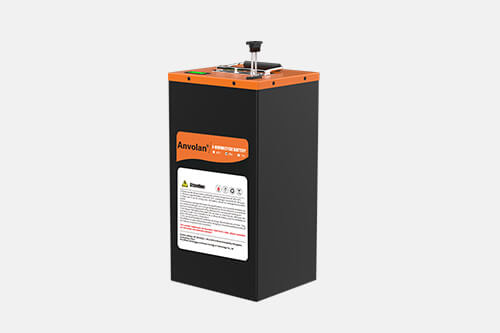
The 72V 30Ah LiFePO4 battery is an energy storage and power supply product specially designed for medium-high voltage and medium-capacity power supply scenarios. Relying on the mature technical system of LiFePO4 cells, it balances stability, safety and practicality, and is widely applicable to professional fields such as electric vehicles, industrial equipment, and small and medium-sized energy storage systems. This copy will conduct a comprehensive and objective technical analysis from the aspects of product technical specifications, cell and battery pack design, core performance parameters, application scenario adaptation, reliability guarantee, and use and maintenance, providing professional reference for users in selection, use and maintenance.
I. Core Product Technical Specifications
The technical specifications of the 72V 30Ah LiFePO4 battery strictly comply with industry standards, and all parameters have been repeatedly tested and verified to ensure product consistency and reliability. The specific technical parameters are as follows:
Nominal Voltage: 72V DC, voltage fluctuation range 67.2V~84V, meeting the power supply needs of medium-high voltage equipment. The voltage output is stable without obvious fluctuation, which can match the rated voltage requirements of most 72V electrical equipment.
Nominal Capacity: 30Ah (under 25℃, 0.2C discharge condition), the actual discharge capacity deviation is ≤±2%, with excellent capacity consistency, ensuring the performance uniformity of batteries from different batches and individual cells, and avoiding the impact of capacity differences on the overall power supply effect.
Cell Type: Prismatic LiFePO4 cells, the cell size adopts a standardized design (common specification: 148mm×110mm×20mm), which is convenient for battery pack integration and assembly, and adapts to the installation space requirements of various equipment.
Energy Density: The energy density of the cell reaches 150~160Wh/kg, and the energy density of the battery pack reaches 120~130Wh/kg. On the premise of ensuring the power supply capacity, it effectively controls the volume and weight of the battery pack, balancing portability and installation flexibility.
Charge and Discharge Parameters: Standard charging current 0.3C (9A), maximum charging current 1C (30A); standard discharge current 0.5C (15A), maximum discharge current 2C (60A), which can meet the fast charge and discharge needs in different scenarios, and avoid damage to the battery caused by large current.
Charging Method: Supports constant current constant voltage (CC-CV) charging, the charging termination voltage is 84V, the charging efficiency is ≥95%, there is no obvious heat generation during charging, which effectively shortens the charging time and reduces energy loss.
Operating Temperature Range: Discharge temperature -20℃~60℃, charging temperature 0℃~45℃; in -20℃ low temperature environment, the discharge capacity retention rate is ≥70%, and in 60℃ high temperature environment, the discharge capacity retention rate is ≥90%, adapting to the use needs of different regions and environments, and the performance attenuation under extreme temperatures is controllable.
Storage Temperature Range: -30℃~60℃. For long-term storage (more than 3 months), it is recommended to keep the remaining battery power at 40%~60%, and place it in a dry, ventilated environment without corrosive gas to avoid battery performance attenuation.
Overall Dimensions: Standard size (length × width × height) is about 480mm×250mm×120mm (can be customized according to actual needs), weight is about 28kg, small in size and moderate in weight, easy to install and carry.
Protection Level: IP65, with dustproof, waterproof and splash-proof functions, which can adapt to complex environments such as outdoors and industrial workshops, and avoid dust and water vapor entering the battery interior, affecting battery performance and service life.
II. Cell and Battery Pack Design Technology
The core competitiveness of the 72V 30Ah LiFePO4 battery lies in cell selection and battery pack integration design. It adopts a standardized and modular design concept, balancing performance and reliability. The specific design details are as follows:
(I) Cell Selection and Screening
As the core unit of the battery pack, the quality of the cell directly determines the overall performance of the battery pack. This product selects high-quality prismatic LiFePO4 cells, which have passed a strict screening process to ensure that all performance indicators meet the standards:
1. Cell Consistency Control: Cells of the same batch and specification are used, and parameters such as voltage, capacity, internal resistance and cycle life of the cells are tested one by one. Cells with parameter deviation ≤±1% are selected for assembly, so as to avoid unbalanced charging and discharging of the battery pack due to poor cell consistency and extend the service life of the battery pack.
2. Cell Safety Guarantee: The selected LiFePO4 cells have stable chemical properties, the thermal decomposition temperature is ≥600℃, the short-circuit heat release is only 1/3 of that of ternary batteries, and there is no risk of explosion or fire; the interior of the cell adopts diaphragm material, which has over-temperature and over-current protection functions, effectively preventing internal short-circuit of the cell.
3. Cell Life Optimization: The cycle life of the cell (80% deep discharge) is ≥3500 times, the capacity retention rate is ≥80% after long-term use, and the capacity attenuation is ≤10% after 500 cycles, which is far better than traditional lead-acid batteries (cycle life about 300~500 times), reducing the user's replacement cost.
(II) Battery Pack Integration Design
The battery pack adopts a 20-series 1-parallel integration method (the nominal voltage of a single cell is 3.6V, and the nominal voltage after 20-series connection is 72V). The integration process strictly follows industry standards to ensure the stability and safety of the battery pack:
1. Connection Method: Copper bar welding process is adopted, and the welding joint is treated with anti-oxidation. The contact resistance is ≤1mΩ, which reduces energy loss during current transmission, avoids heat generation and false welding at the welding joint, and ensures stable current transmission during charging and discharging of the battery pack.
2. Heat Dissipation Design: A heat dissipation channel is set inside the battery pack, and an aluminum alloy shell is used for auxiliary heat dissipation. The surface of the shell is treated with anodization, which increases the heat dissipation efficiency by 30%; during high-current charging and discharging, it can quickly dissipate the heat generated by the cells, control the temperature of the battery pack below 45℃, and avoid cell performance attenuation or damage caused by high temperature.
3. Insulation Design: High-temperature resistant and corrosion-resistant insulation materials are used inside the battery pack to effectively isolate the cells, copper bars and shell. The insulation resistance is ≥100MΩ, preventing internal short-circuit and leakage of the battery pack, and ensuring safe use.
4. Modular Design: The battery pack adopts a modular structure, which can be connected in series and parallel according to user needs to flexibly adjust the voltage and capacity, adapting to equipment with different power and capacity requirements, and has strong versatility.
III. Analysis of Core Performance Technology
Relying on high-quality cells and scientific integration design, the 72V 30Ah LiFePO4 battery performs excellently in terms of safety, cycle life, charge and discharge performance, stability, etc. All performances have been strictly tested and verified. The specific analysis is as follows:
(I) Safety Performance
Safety is the core advantage of LiFePO4 batteries. This product provides multiple guarantees for safe use in cell selection, battery pack design and protection system configuration:
1. Cell本身 Safety: LiFePO4 cells do not contain toxic heavy metals such as cobalt and nickel, and have stable chemical properties. Even in extreme cases such as puncture, extrusion and overcharge, they will not explode or catch fire, only slight heat generation and smoke will occur, and the safety is far higher than that of ternary batteries.
2. Built-in BMS Battery Management System: The battery pack is equipped with a high-performance BMS battery management system, which real-time monitors the voltage, current and temperature of each cell, and has multiple protection functions such as overcharge, over-discharge, short circuit, over-temperature and over-current:
(1) Overcharge Protection: When the battery pack voltage reaches 84.5V (exceeding the charging termination voltage), the BMS automatically cuts off the charging circuit to prevent cell performance attenuation or damage caused by overcharge;
(2) Over-discharge Protection: When the battery pack voltage is lower than 67.2V (discharge termination voltage), the BMS automatically cuts off the discharge circuit to avoid permanent capacity loss caused by cell over-discharge;
(3) Over-temperature Protection: When the battery pack temperature exceeds 65℃ (discharge) or 50℃ (charge), the BMS automatically cuts off the charge and discharge circuit, and automatically resumes work after the temperature drops to a safe range;
(4) Short Circuit Protection: When a short circuit occurs in the battery pack, the BMS cuts off the circuit within 10ms to prevent the short-circuit current from damaging the cells or causing safety accidents;
(5) Balance Protection: The BMS real-time monitors the voltage difference of each cell. When the cell voltage difference exceeds 0.05V, it automatically starts the balance function to adjust the cell voltage, ensuring balanced charging and discharging of the battery pack and extending the service life of the battery pack.
(II) Cycle Life Performance
Cycle life is an important indicator to measure battery performance. Under standard test conditions (25℃, 80% deep discharge, 0.3C charging, 0.5C discharging), the cycle life of this product can reach more than 3500 times; in actual use scenarios, due to factors such as charge and discharge current and ambient temperature, the cycle life can reach more than 3000 times. Calculated by charging and discharging once a day, the service life can reach 8~10 years, which greatly reduces the user's replacement cost and maintenance cost.
In addition, the battery pack adopts capacity attenuation compensation technology, which real-time monitors the cell capacity change through BMS, and performs balance adjustment on cells with faster attenuation, ensuring the overall capacity stability of the battery pack, and still meeting the power supply needs of equipment after long-term use.
(III) Charge and Discharge Performance
This product has stable charge and discharge performance, adapting to charge and discharge needs in different scenarios. The specific performance is as follows:
1. Charging Performance: Supports 0.3C~1C wide-range charging. The standard charging (0.3C, 9A) time is about 8~10 hours, and the fast charging (1C, 30A) time is about 3~4 hours. The charging efficiency is ≥95%, with less energy loss; the voltage and current are stable during charging, without obvious heat generation, and the charging curve is gentle, avoiding cell damage caused by too fast charging speed.
2. Discharge Performance: Supports 0.5C~2C wide-range discharge. Under standard discharge (0.5C, 15A), the discharge platform is stable at 70~72V, and the discharge time is about 2 hours; under maximum discharge (2C, 60A), the discharge platform is stable at 68~70V, which can meet the short-term high-power power supply needs of equipment. There is no obvious voltage drop during discharge, ensuring stable operation of equipment.
3. High and Low Temperature Discharge Performance: In -20℃ low temperature environment, the discharge capacity retention rate is ≥70%, which can meet the use needs of northern low temperature areas; in 60℃ high temperature environment, the discharge capacity retention rate is ≥90%, which can adapt to high temperature environments such as outdoors and industrial workshops, and the performance attenuation under extreme temperatures is controllable without obvious failures.
(IV) Stability and Reliability
This product has passed strict environmental testing, vibration testing, impact testing and life testing to ensure stable work in complex environments:
1. Environmental Stability: After high and low temperature cycle testing (-30℃~60℃, 50 cycles) and damp heat testing (40℃, relative humidity 90%, continuous 72 hours), the battery pack capacity attenuation is ≤3%, and all performance indicators have no obvious changes, which can adapt to the use needs of different regions and environments.
2. Mechanical Stability: After vibration testing (10~500Hz, amplitude 0.35mm, continuous 2 hours) and impact testing (1500m/s², 10 impacts), the battery pack has no shell damage, cell detachment, short circuit and other problems, which can adapt to the use needs of mobile scenarios such as electric vehicles and industrial equipment.
3. Long-term Reliability: After 1000 cycles of testing, the battery pack capacity attenuation is ≤15%, the BMS system works normally, and there are no problems such as protection failure and signal abnormality; after long-term storage (12 months), the capacity attenuation is ≤5%, the cell activity remains good, and it can be used normally by direct charging without activation treatment when used again.
IV. Application Scenario Technical Adaptation
With its 72V medium-high voltage, 30Ah medium-capacity characteristics and stable performance, the 72V 30Ah LiFePO4 battery is widely applicable to scenarios such as electric vehicles, industrial equipment, and small and medium-sized energy storage systems. It is targeted adapted to the technical needs of different scenarios, as follows:
(I) Electric Vehicle Scenario
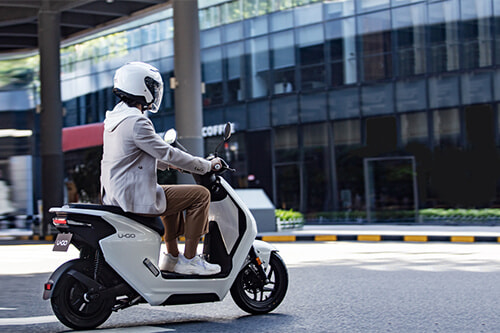
It is suitable for medium-sized electric vehicles such as 72V electric tricycles, small electric trucks, electric sightseeing vehicles and special-purpose electric vehicles, providing stable power support for vehicle operation. The key technical adaptation points are as follows:
1. Power Adaptation: The maximum discharge current is 2C (60A), which can meet the short-term high-power needs of vehicle start-up and climbing, avoiding problems such as weak start-up and difficult climbing; the discharge platform is stable, ensuring stable vehicle speed without obvious jitter.
2. Endurance Adaptation: The 30Ah capacity is matched with 72V voltage, and the total energy of the battery pack is 2160Wh. Combined with the vehicle motor power (usually 1500W~3000W), the cruising range can reach 50~80km (the specific cruising range is affected by factors such as vehicle weight, driving speed and road conditions), meeting the needs of daily short-distance transportation and sightseeing.
3. Installation Adaptation: Small in size and moderate in weight, it can be flexibly installed according to the installation space of the vehicle, adapting to the structural design of different vehicle models; IP65 protection level can adapt to dust, rain and other environments during outdoor driving, avoiding battery damage.
(II) Industrial Equipment Scenario
It is suitable for small industrial equipment that requires 72V power supply, such as small forklifts, electric tools, test equipment, and communication base station backup power supplies. The key technical adaptation points are as follows:
1. Power Supply Stability: The voltage output is stable with small fluctuation range, which can meet the power supply accuracy requirements of industrial equipment, avoiding equipment failures and test data deviations caused by voltage fluctuations; high charge and discharge efficiency, less energy loss, reducing the power consumption cost of industrial production.
2. Load Adaptation: Supports 0.5C~2C wide-range discharge, which can adapt to industrial equipment with different powers, whether it is low-power continuous power supply for small electric tools or high-power short-term power supply for small forklifts, it can be stably adapted.
3. Environmental Adaptation: IP65 protection level can adapt to complex environments such as dust, oil pollution and water vapor in industrial workshops; strong adaptability to high and low temperatures, can work normally in -20℃~60℃ environment, no need to equip additional temperature control equipment, reducing equipment investment cost.
(III) Small and Medium-sized Energy Storage Scenario
It is suitable for small and medium-sized energy storage scenarios such as off-grid photovoltaic energy storage, small wind power energy storage, household emergency backup power supply, and small store backup power supply. The key technical adaptation points are as follows:
1. Energy Storage Efficiency: The charge and discharge efficiency is ≥95%, with less energy loss, which can effectively store electricity generated by renewable energy such as photovoltaic and wind power, improving energy utilization rate; stable capacity, can store electricity for a long time, meeting emergency power supply needs.
2. Charge and Discharge Flexibility: Supports constant current and constant voltage charging, can adapt to equipment such as photovoltaic controllers and wind power controllers to realize automatic electricity storage; supports on-demand discharge, can flexibly adjust the discharge current according to load needs, meeting the emergency power supply needs of different equipment.
3. Safety Adaptation: LiFePO4 batteries have no risk of explosion or fire, suitable for use in densely populated places such as homes and stores; the BMS system real-time monitors the battery status, and automatically cuts off the circuit when an abnormality occurs, ensuring the safe use of the energy storage system.
V. Reliability Testing and Quality Assurance
To ensure the quality and reliability of the 72V 30Ah LiFePO4 battery, the product has undergone strict testing and inspection from R&D, production to delivery, and a complete quality assurance system has been established:
(I) Full-process Testing
1. Cell Testing: Each cell has undergone voltage testing, capacity testing, internal resistance testing, cycle life testing, high and low temperature testing, etc. Unqualified cells are all eliminated to ensure that the cell quality meets the standards.
2. Battery Pack Testing: After the battery pack is assembled, overall voltage testing, capacity testing, internal resistance testing, charge and discharge cycle testing, short circuit testing, overcharge and over-discharge testing, high and low temperature testing, vibration testing, impact testing, etc. are carried out to ensure that all performance indicators of the battery pack meet industry standards.
3. Factory Testing: Each finished battery has undergone factory inspection, including appearance inspection, voltage testing, capacity testing, insulation testing, etc. It can leave the factory only after passing the inspection to ensure consistent product quality.
(II) Quality Control System
1. Raw Material Control: Strictly screen raw materials such as cells, BMS systems, shells and copper bars, select qualified suppliers, and conduct strict inspection before raw materials enter the factory to prevent unqualified raw materials from entering the production link.
2. Production Process Control: The production process strictly follows the ISO9001 quality management system, and the welding, assembly, testing and other links are monitored throughout the process to ensure standardized production processes and avoid quality hazards during production.
3. After-sales Guarantee: The product provides a 5-year warranty service. During the warranty period, if the battery is damaged due to product quality problems, it can be repaired or replaced free of charge; a professional after-sales technical team is established to provide users with technical consultation, fault diagnosis, maintenance guidance and other services, and timely solve the problems encountered by users during use.
VI. Use and Maintenance Technical Guide
To extend the service life of the 72V 30Ah LiFePO4 battery and ensure safe use, users need to follow the following use and maintenance specifications during use:
Charging Specifications: Use a dedicated 72V LiFePO4 battery charger. The charger must comply with the GB/T 18487.1-2015 standard. Avoid using non-compliant chargers to prevent overcharging, heat generation and damage to the battery; when charging, place the battery in a ventilated and dry environment, avoid approaching fire sources and heat sources, and do not cover the battery during charging to prevent heat accumulation.
Discharge Specifications: Avoid over-discharging the battery. When the equipment prompts low power or the battery voltage drops below 67.2V, stop discharging in time and charge; avoid long-term high-current discharge (exceeding 2C discharge) to prevent battery heat generation, capacity attenuation and affect service life.
Storage Specifications: When the battery is not in use for a long time, keep the remaining power at 40%~60%, place it in a dry, ventilated and cool environment, and avoid long-term storage in high temperature, high humidity, low temperature or corrosive gas environments; charge it once every 3 months to maintain cell activity and avoid cell aging.
Maintenance Specifications: Regularly check whether the battery shell is damaged, deformed, leaking, etc. If there is any abnormality, stop using it immediately and contact after-sales personnel for processing; regularly check whether the battery connection lines and connectors are loose or oxidized. If loose, fasten them in time. If oxidized, wipe them clean with a dry cloth to avoid heat generation caused by poor contact; no regular water addition, liquid addition and other maintenance operations are required. Do not disassemble, puncture or short-circuit the battery to prevent safety accidents.
Environmental Specifications: Avoid exposing the battery to direct sunlight, avoid rain and immersion; when using in low temperature environment, the discharge current can be appropriately reduced to reduce battery performance attenuation; when using in high temperature environment, ensure good ventilation to avoid excessive battery temperature.
VII. Product Summary
Taking the mature LiFePO4 cell technology as the core, the 72V 30Ah LiFePO4 battery has the advantages of stable voltage, reliable capacity, high safety, long cycle life and wide adaptability through scientific battery pack integration design and strict quality control, and can meet the power supply needs of multiple scenarios such as electric vehicles, industrial equipment and small and medium-sized energy storage systems.
The overall design of the product is in line with the technical needs of professional scenarios, neutral and practical, without exaggerated publicity, balancing performance and practicality. It can not only provide stable and efficient power supply support for equipment, but also reduce the user's replacement cost and maintenance cost, making it a cost-effective choice for 72V medium-high voltage and medium-capacity power supply scenarios.
Whether it is industrial production, short-distance transportation or energy storage backup, the 72V 30Ah LiFePO4 battery can provide users with reliable power supply guarantee with its stable technical performance, adapt to the use needs of different scenarios, and help users improve production efficiency and reduce use costs.
Be the first to receive our latest news, how-to user guides,
and exclusive deals! Subscribe now.

 Headquarter Address:10F, Building 25, N0. 179 Fengguan, Dongshen Road, Dongguan, Guangdong
 Factory Address:Building 3, Area D, Shengyang Science and Technology Industrial Park, East District of Suichuan County Industrial Park, Ji'an, Jiangxi
 Headquarter Telephone No.:+86 769 2366 8529
Factory Telephone No.:+86 796 6111618
 Contact Person:Kevin Chen
 Email Address:chen@xpower-world.com