Global layout
 +86 769 2366 8529




Time:2026-10-15 Views:114
Electric tricycles are widely used in delivery, transport, agricultural production and community services thanks to their flexibility and strong adaptability, becoming an important reliance for many users in daily business and life. The overall performance of a tricycle is highly dependent on the performance of its on-board power battery. With the continuous advancement of electric vehicle technology, power batteries are also being upgraded. Power batteries using lithium iron phosphate cells, with their outstanding advantages of long cycle life, high safety and stable discharge, are gradually replacing traditional lead-acid batteries and becoming a reliable choice for electric tricycle power upgrades.
Stability is the core dimension in evaluating the performance of power batteries, and directly relates to the safety, endurance and service life of vehicle operation. Stability covers multiple levels, including stable voltage and power output during charging and discharging, stable performance under conditions such as temperature changes and load fluctuations, and the safety and stability of the battery itself. A truly stable power battery can maintain reliable performance in complex usage environments, reduce sudden failures and extend the service cycle of the whole system. For commercial electric tricycles that need long-duration operation, battery stability is especially important.
In terms of voltage output, battery stability is reflected in the smoothness of the discharge platform. In high-quality batteries, the voltage changes gently with the remaining capacity during discharge and can continuously provide stable power to the motor. Batteries using lithium iron phosphate cells have a stable discharge platform, with slow voltage drop across a wide range of remaining capacity. The vehicle can maintain stable power output under conditions such as starting, climbing and full load, avoiding power attenuation caused by voltage fluctuation. A power battery designed with a 72V voltage platform matches well with common tricycle motor systems and can ensure stable operation of the whole vehicle under different load states.
In terms of safety, battery stability is shown in the reliability of materials and structure. Lithium iron phosphate material has excellent thermal and chemical stability, with a relatively high decomposition temperature. It does not easily undergo violent reactions under abnormal conditions, reducing the risk of thermal runaway. Compared with other types of lithium-ion cells, lithium iron phosphate cells have stronger tolerance to overcharging, over-discharging and abuse, providing a higher safety margin for vehicle operation. A complete battery management system can monitor parameters such as voltage, current and temperature in real time, issue timely warnings and protect the battery, preventing abnormal conditions such as overcharging, over-discharging, overcurrent and overheating, further ensuring long-term stable battery operation.
In terms of temperature adaptability, power batteries need to maintain stable performance under different climatic conditions. In cold regions, low winter temperatures reduce battery activity and affect discharge capability; in hot regions, high summer temperatures increase heat dissipation pressure. Lithium iron phosphate batteries have good wide-temperature adaptability and can maintain relatively stable discharge characteristics across a wide temperature range. Combined with reasonable heat dissipation and thermal insulation design, they can keep vehicles running stably in different regions and seasons. For tricycles operating outdoors for a long time, this characteristic can significantly improve seasonal adaptability and operational reliability.
In terms of load fluctuation, the value of stability is equally prominent. During actual operation, the load and road conditions of electric tricycles often change, and the motor current demand fluctuates accordingly. A stable battery can respond quickly to current changes, provide sufficient instantaneous current under heavy load and work efficiently under light load, avoiding unstable vehicle power caused by battery output fluctuation. At the same time, a stable discharge platform helps extend the endurance mileage per charge, allowing the vehicle to maintain reliable power even when the battery level drops, improving the driving experience and operational confidence of users.
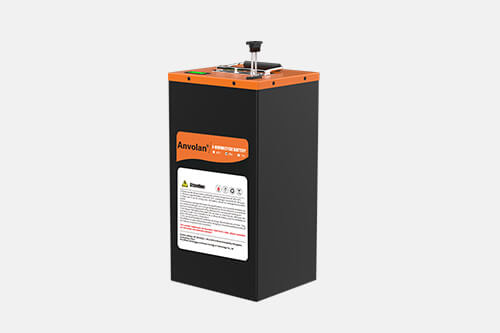
For cargo delivery and long-distance transport needs, a power battery with 120Ah capacity can balance the volume and weight of the battery pack while ensuring vehicle endurance. The 120Ah capacity specification is suitable for daily delivery routes and small and medium-sized cargo tricycles, controlling the overall battery size while meeting endurance requirements and facilitating vehicle layout and installation. The combination of the 72V voltage platform and 120Ah capacity not only ensures power output and endurance but also balances economy and practicality of the battery pack, making it an ideal power configuration for many commercial tricycles.
In agricultural working scenarios, tricycles often work in complex environments such as fields and slopes, and the battery needs to withstand frequent high-current discharge, vibration and bumping. Lithium iron phosphate batteries have a sturdy structure and good vibration resistance, adapting to the harsh conditions of field roads. Their high cycle life enables them to withstand frequent deep charge and discharge, reduce battery replacement frequency and lower long-term cost. The stable discharge characteristic ensures the vehicle can continue to provide sufficient power when climbing at full load, improving agricultural working efficiency and reliability.
In community services and sanitation fields, tricycles need long-duration low-speed stable operation, with fixed working routes and frequent start-stop. Such scenarios place high requirements on the cycle stability and maintenance convenience of batteries. Lithium iron phosphate power batteries have long charging intervals and fast charging speeds, shortening parking and recharging time and improving effective working hours. Stable performance reduces failures and lowers maintenance burden, ensuring vehicles remain in long-term stable operation. The real-time monitoring and protection provided by the battery management system also improve the safety and reliability of vehicles operating in urban environments.
During selection, users should comprehensively evaluate battery capacity, voltage, cycle life, safety characteristics and temperature adaptability based on their own usage scenarios. Users with high endurance requirements can choose larger capacity specifications. For scenarios with prominent power requirements, the high-rate discharge capability of the battery needs to be confirmed. For users in extreme climate regions, special attention should be paid to the wide-temperature performance of the battery. At the same time, products from reputable brands are more guaranteed in cell quality, process level and system protection. Choosing certified products can reduce usage risk and ensure long-term stable battery operation.
Standardized use and scientific maintenance of batteries also affect their stability. Avoiding excessive discharge, preventing long-term full-charge storage and using matching charging equipment are all important measures to extend battery life and maintain stable performance. Regularly checking battery connections and heat dissipation, and keeping the equipment clean and ventilated, help the battery maintain good working condition. When the battery reaches the end of its service life, it should be recycled through formal channels to achieve resource recycling.
Overall, stability is an important benchmark for measuring the quality of electric tricycle power batteries. A lithium iron phosphate power battery with a 72V voltage platform and 120Ah capacity shows reliable stable performance in voltage output, safety protection, temperature adaptability and load response, providing solid power support for delivery transport, agricultural production, community services and other scenarios. Proper selection, standardized use and scientific maintenance can fully realize battery performance and ensure long-term stable and efficient vehicle operation, making it a high-quality choice for electric tricycle power upgrades.
Be the first to receive our latest news, how-to user guides,
and exclusive deals! Subscribe now.

 Headquarter Address:10F, Building 25, N0. 179 Fengguan, Dongshen Road, Dongguan, Guangdong
 Factory Address:Building 3, Area D, Shengyang Science and Technology Industrial Park, East District of Suichuan County Industrial Park, Ji'an, Jiangxi
 Headquarter Telephone No.:+86 769 2366 8529
Factory Telephone No.:+86 796 6111618
 Contact Person:Kevin Chen
 Email Address:chen@xpower-world.com