Global layout
 +86 769 2366 8529




Time:2026-10-12 Views:36
In scenarios such as urban and rural logistics, short-distance freight, passenger shuttle, and orchard transport, electric tricycles have become important tools in the production and daily life of many users thanks to their economy, ease of operation, and strong adaptability. Unlike two-wheelers, tricycles often carry heavier loads and run for longer continuous periods, placing higher demands on battery capacity, range, and reliability. Traditional lead-acid batteries, although low in price, suffer from shortcomings such as large weight, short cycle life, slow charging, and obvious performance degradation in winter, making it harder to meet the needs of heavy-load, long-range operation. The emergence of LiFePO4 tricycle power batteries offers a better solution for this application.
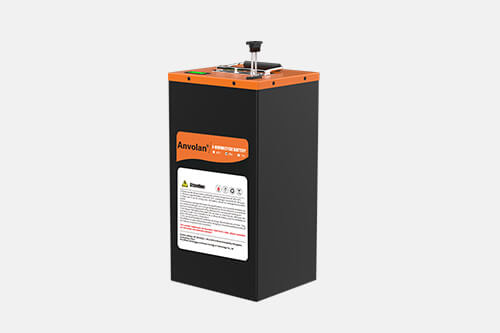
The battery pack adopted in this solution is composed of multiple series-connected LiFePO4 cells, with a nominal voltage of 60V and a capacity of 280Ah. With large overall energy storage, it provides electric tricycles with ample range and can keep running steadily even when fully loaded with cargo. Compared with lead-acid batteries, LiFePO4 batteries have higher energy density. Under the same capacity, they are smaller in size and lighter in weight, significantly reducing vehicle weight and thus lowering driving energy consumption, so the same amount of electricity delivers a longer range. For users who mainly haul cargo or run commercial operations, longer range directly means higher daily income and less range anxiety.
Safety and service life are the two aspects users of such heavy-load batteries care about most. LiFePO4 material has extremely high thermal stability, is resistant to high temperature, and is less prone to thermal runaway, offering significantly better safety than other lithium battery chemistries. It can work stably under harsh conditions such as bumping, intense sunlight, and long periods of high-current discharge. At the same time, its cycle life usually reaches more than 2000 cycles, several times that of ordinary lead-acid batteries, making the comprehensive cost lower over long-term use and reducing the trouble and expense of frequent battery replacement.
In terms of performance, this lithium battery also has obvious advantages. It supports a relatively high charging rate, so power can be replenished in a short time, shortening charging waiting time and improving vehicle utilization. Its discharge platform is stable, maintaining nearly constant voltage output across a wide range of state of charge, giving the motor steady power output and better climbing and acceleration performance. Its self-discharge rate is low, so power loss is small during long-term parking and it can be put into use anytime. In addition, LiFePO4 batteries have almost no memory effect, and shallow charge and discharge do not damage the cells, making maintenance very simple.
Safety protection design is a highlight of this battery. A built-in intelligent battery management system monitors the voltage and temperature of every cell in real time, providing multiple protections against over-charge, over-discharge, over-current, short circuit, and temperature. Under abnormal conditions, it automatically cuts off the circuit to maximize safety during charging and driving. The battery casing uses high-strength flame-retardant materials, is structurally sturdy, and has good water resistance, dust resistance, and vibration resistance, able to adapt to complex road conditions such as mud and gravel. All cells undergo strict consistency screening and aging testing before delivery, ensuring that the cells in the battery pack are balanced and perform stably and reliably under long-term high-current charge and discharge.
For users who often operate in winter or low-temperature environments, the low-temperature characteristics of LiFePO4 are also worth attention. At low temperature, cell internal resistance increases and available capacity drops somewhat, which is a common phenomenon for lithium batteries. To alleviate this problem, high-quality battery packs are equipped with low-temperature charging protection and temperature compensation functions, limiting charging current or pausing charging when the temperature is too low to avoid damaging cells. Users can also keep the battery properly warm before use in low temperature to obtain more stable range performance. Reasonable usage habits allow the battery to maintain reliable performance in cold seasons.
From the perspective of application scenarios, this kind of LiFePO4 tricycle battery is widely used in various vehicle types such as cargo tricycles, passenger tricycles, express delivery vehicles, and sanitation sweeping vehicles, and is also common in high-frequency, heavy-load scenarios such as orchard transport, building material handling, and food delivery. Whether for vehicle matching or upgrading existing lead-acid batteries, it significantly improves the vehicle's range and operating efficiency and helps users lower long-term operating costs. For users who haul cargo every day, this is a long-term investment that pays back quickly.
When selecting, users should choose the appropriate battery capacity and discharge capability according to the motor power, controller current limit, load, and daily mileage of the vehicle. Before replacement, it is recommended to confirm whether the controller and charger are compatible with the voltage platform of LiFePO4 batteries, and adjust parameters or replace with a dedicated charger when necessary to ensure the best performance and safety. When purchasing, choose regular products with complete certification and sound warranty, ensuring reliable cell quality and production process, so as to obtain a stable long-term usage experience.
It is foreseeable that, as LiFePO4 technology matures and costs decline, the lithium-ization of electric tricycles will become an irreversible trend. Longer life, lighter weight, higher safety, and longer range make this kind of heavy-load lithium battery an upgrade choice for heavy-load transport scenarios. Rational selection, standardized installation, and correct charging will help users fully release the power potential of their vehicles, lower operating costs, improve usage efficiency, and provide reliable support for daily production and business operation.
Be the first to receive our latest news, how-to user guides,
and exclusive deals! Subscribe now.

 Headquarter Address:10F, Building 25, N0. 179 Fengguan, Dongshen Road, Dongguan, Guangdong
 Factory Address:Building 3, Area D, Shengyang Science and Technology Industrial Park, East District of Suichuan County Industrial Park, Ji'an, Jiangxi
 Headquarter Telephone No.:+86 769 2366 8529
Factory Telephone No.:+86 796 6111618
 Contact Person:Kevin Chen
 Email Address:chen@xpower-world.com