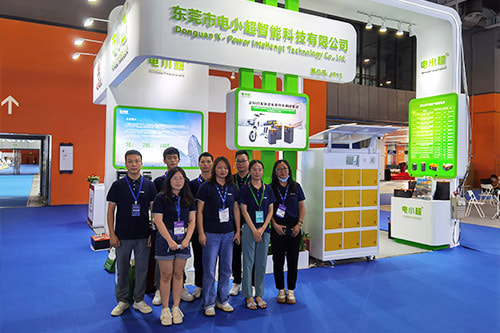
Global layout
 +86 769 2366 8529




Time:2026-09-24 Views:198
In scenarios such as urban and rural short-distance freight, township transportation, park operation, and environmental sanitation transportation, electric tricycles have become core tools for grassroots people's livelihood transportation and small and micro commercial operations due to their convenient operation, low energy consumption and flexible passage. With the standardized upgrading of the industry and the refined iteration of user demands, the shortcomings of traditional energy storage accessories have become increasingly prominent. The market demand for high-performance, high-safety and long-endurance supporting battery products continues to rise, promoting the structural upgrading of the energy storage supporting system for electric tricycles. Current market demands are no longer limited to basic power supply functions, but focus on multiple dimensions such as safety, endurance, service life, environmental adaptability and cost performance, forcing the industry to iteratively optimize product solutions to meet the real usage scenarios of end users and bulk purchasing customers.
From the perspective of end-user scenarios, electric tricycles feature high-intensity, high-frequency and all-weather operation. In scenarios such as township freight, market distribution and community environmental sanitation, vehicles travel long distances with frequent start-stop cycles every day, and operate under full-load and variable-load conditions for a long time. This puts forward extremely high requirements on the capacity stability, continuous discharge capability and attenuation resistance of batteries. Traditional lead-acid energy storage devices are low in price, but have disadvantages such as heavy weight, virtual capacity, fast attenuation and poor low-temperature performance. Their endurance drops significantly after six months to one year of use. Frequent replacement not only increases users’ long-term use costs, but also affects the efficiency of daily transportation operations, making them unable to adapt to the current rigid demand for high-frequency transportation, which is the core reason for the rapid growth of demand for high-performance lithium battery products.
Safety is the primary core demand for users when purchasing tricycle energy storage accessories, as well as a mandatory standard for the standardized development of the industry. Electric tricycles mostly travel on crowded urban and rural roads and are often parked outdoors under exposure to sun and rain. Complex outdoor environments impose strict requirements on the explosion-proof, waterproof and high-temperature resistance of batteries. Traditional energy storage devices have poor thermal stability and are prone to bulging, liquid leakage and even fire hazards under overcharge, overload and high-temperature conditions, bringing great potential safety risks. End users and bulk purchasers in the market pay increasing attention to product safety qualifications and protective designs, and prefer products equipped with intelligent protection systems, high-temperature resistant shells and balanced cell structures to eliminate safety hazards such as overheating, short circuit and over-discharge during charging and fully guarantee the safety of driving and parking.
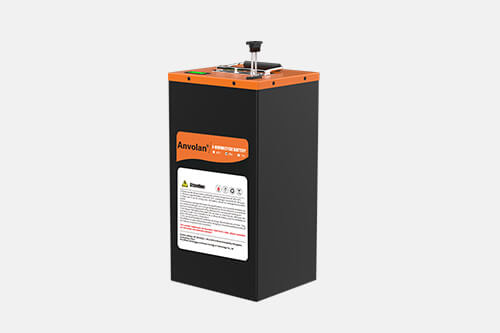
Endurance stability and long service life requirements are key market demands driving product iteration. Most tricycle users rely on vehicles for operational income, and the driving range directly determines daily revenue and operational efficiency, making battery capacity stability extremely important. New lithium iron phosphate energy storage products feature stable discharge curves and balanced output throughout the operation process, avoiding the problem of sufficient initial endurance and rapid power loss in the later stage, which is perfectly suitable for long-distance and high-frequency transportation operations. Meanwhile, such products have a far longer cycle service life than traditional equipment, supporting thousands of charge-discharge cycles with slow capacity attenuation during long-term use. They eliminate the need for frequent replacement, greatly reduce users’ long-term use costs, and meet the long-term application needs of individual users and engineering procurement.
The upgrading of environmental adaptability requirements has further expanded the market application space of high-performance batteries. There are significant regional climate differences across China, including low temperatures in northern winters, high temperature and rainy weather in southern summers, and dusty and humid conditions in remote areas. Different climatic environments greatly affect the working performance of batteries. Traditional energy storage devices suffer from sharp capacity decline and reduced endurance in low-temperature environments and accelerated aging in high-temperature environments, failing to meet the cross-regional and all-weather operation needs. The new generation of special energy storage batteries optimizes the temperature control system and cell structure, widens the operating temperature range, and can stably output capacity in complex high and low temperature environments. They are resistant to outdoor sun exposure, rain and low-temperature frost, adapt to tricycle operation scenarios in various regions nationwide, and solve the industry pain point of poor environmental adaptability of traditional products.
In addition to individual end users, the professional demand in the bulk procurement market continues to expand. Bulk purchasers such as environmental sanitation projects, rural transportation fleets, property operation and maintenance, and engineering distribution pay more attention to product standardization, versatility, after-sales guarantee and compliance qualifications. Such customers have large equipment holdings and extremely high usage frequency, and have strict requirements on the unified adaptability, batch stability and long-term operation and maintenance capabilities of batteries. They tend to choose scaled products with mature processes, unified parameter standards and a complete after-sales system. At the same time, overseas import market demand continues to grow. Foreign purchasers have strong demand for high-stability, long-life and fully certified energy storage products, promoting the continuous export of domestic special batteries for tricycles and expanding the international market space.
Recessive demands for lightweight and intelligence are becoming a new highlight of market growth. Traditional energy storage devices are heavy, which increases vehicle load, indirectly reduces cargo capacity and driving endurance, and affects operational benefits. Lightweight new energy storage accessories can effectively reduce vehicle weight, improve driving efficiency and cargo capacity, and meet the economic needs of commercial operation. Meanwhile, products equipped with intelligent management systems can real-time monitor remaining capacity, voltage, temperature and fault information, and provide multiple protections against overcharge, over-discharge, over-current and short circuit. They allow users to grasp battery status in real time, avoid fault risks, greatly improve use convenience and safety, and conform to the current consumption trend of intelligent equipment.
In conclusion, the current electric tricycle battery market has shifted from the basic demand of "usable" to a refined demand stage focusing on "safety, long-term performance, stability, adaptability and intelligence". Users’ core demands for endurance stability, safety protection, environmental adaptability and low operation and maintenance costs drive the industry to continuously optimize product technology and performance parameters. In the future, with the standardized development of urban and rural transportation industries and the popularization and upgrading of commercial tricycles, the market demand for high-performance special energy storage batteries will continue to rise, becoming the mainstream alternative to traditional energy storage products and providing solid supporting guarantees for the high-quality development of the electric transportation industry.
Be the first to receive our latest news, how-to user guides,
and exclusive deals! Subscribe now.

 Headquarter Address:10F, Building 25, N0. 179 Fengguan, Dongshen Road, Dongguan, Guangdong
 Factory Address:Building 3, Area D, Shengyang Science and Technology Industrial Park, East District of Suichuan County Industrial Park, Ji'an, Jiangxi
 Headquarter Telephone No.:+86 769 2366 8529
Factory Telephone No.:+86 796 6111618
 Contact Person:Kevin Chen
 Email Address:chen@xpower-world.com