Global layout
 +86 769 2366 8529




Time:2026-09-10 Views:127
Low-Loss Circuit Technology Analysis: High-Efficiency Performance of 60V 100Ah Electric Tricycle Lithium Battery
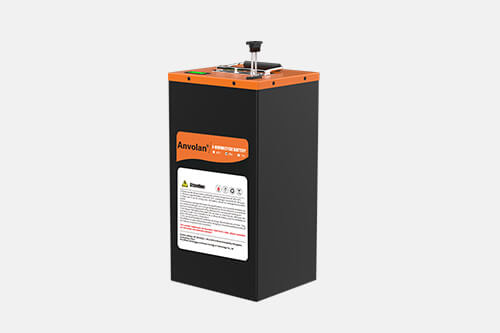
Electric tricycles always operate under high-intensity working conditions such as heavy-load climbing, frequent start-stop and all-weather continuous operation. Traditional batteries generally suffer from large circuit conduction loss, high standby power consumption and low current conversion efficiency. A large amount of electric energy is wasted during transmission, conversion and standby, directly causing cruising range shrinkage, power attenuation and severe equipment heating. As a dedicated power battery for electric tricycles, the 60V 100Ah lithium battery takes low-loss circuit design as the core upgrade direction. It abandons the extensive circuit structure and high-loss component configuration of traditional batteries, and adopts four core technologies including low-conduction power loop, synchronous rectification voltage stabilization circuit, intelligent low-power control system and full-area current equalization circuit. It minimizes invalid electric energy loss, improves charge and discharge conversion efficiency, solves industry pain points such as power waste, virtual cruising range and high-temperature aging from the circuit level, and perfectly adapts to high-frequency and high-intensity scenarios such as urban and rural freight, short-distance distribution and agricultural operation, serving as an efficient, energy-saving and durable core power solution for low-speed electric tricycles.
The low-conduction power loop is the fundamental guarantee for low-loss operation of the battery. Traditional tricycle batteries adopt ordinary power components and high-resistance circuit layout, with large internal conduction resistance. High current operation easily causes voltage drop loss and Joule heat generation, leading to more than 15% of electric energy wasted in circuit transmission. This 60V 100Ah lithium battery reconstructs the power main loop, equipped with ultra-low on-resistance MOS power devices to control the circuit conduction internal resistance at the milliohm level and greatly reduce impedance loss during current transmission. Meanwhile, it adopts widened and thickened high-purity copper foil wiring to shorten the current conduction path, optimize the current direction of the main loop, and eliminate dead-angle heat accumulation and current retention. Compared with conventional circuits, the optimized loop reduces conduction loss by more than 30% and improves power transmission efficiency to over 95%. It maintains stable voltage output without obvious voltage drop during heavy-load driving and climbing, delivering linear power output and completely solving the problems of insufficient power, high power consumption and short cruising range of traditional batteries.
The synchronous rectification and voltage stabilization circuit realizes high-efficiency energy conversion under all working conditions. Traditional batteries adopt asynchronous rectification architecture relying on Schottky diode freewheeling, which features large conduction voltage drop and extremely high light-load loss, resulting in serious power waste during idling and low-speed driving. This battery is equipped with an upgraded synchronous rectification topology, replacing traditional diodes with complementary conducting high and low voltage power tubes. The built-in chip accurately controls the switching sequence to avoid conduction crosstalk and invalid power consumption, maintaining high conversion efficiency under both heavy-load high-current discharge and light-load low-speed operation. The circuit adaptively adjusts to dynamic voltage fluctuations of the 60V platform, stabilizes voltage and current in real time, and avoids electric energy loss and cell damage caused by sudden voltage changes. It optimizes bidirectional loss control for charging and discharging, improving charging efficiency and maximizing the release of 100Ah large capacity to effectively extend the actual cruising range.
The micro-power intelligent control circuit greatly reduces static standby loss. When electric tricycles are parked for a long time, ordinary batteries have high static circuit power consumption and fast self-discharge speed, resulting in obvious power loss in a dozen days, which not only affects use but also accelerates cell aging. The 60V 100Ah low-loss lithium battery adopts a customized low-power BMS control system and high-integration low-power main control chip, eliminating redundant circuit design and reducing overall static standby power consumption. Equipped with an intelligent sleep and wake-up mechanism, the circuit automatically enters low-power sleep mode during shutdown and standing by, turns off invalid detection loops and retains only basic monitoring functions, controlling the monthly self-discharge rate within 3%. It also features adaptive power adjustment logic to dynamically optimize the circuit operating state according to working conditions, reducing invalid energy loss in all scenarios.
The full-area equalization low-loss circuit ensures long-term consistency and low attenuation of the battery. Series lithium battery packs are prone to inconsistent cell voltage difference and local overload loss, which leads to rapid capacity attenuation and shortened service life. This battery adopts a high-precision symmetrical current and voltage equalization circuit, with independent equalization loops for each cell. It corrects cell voltage difference in real time, dynamically balances branch current load, and avoids overheating and excessive local loss caused by single-loop overload. All key circuit components are made of high-temperature resistant, low-loss and anti-aging materials, adapting to complex working conditions of vibration and alternating temperature changes without circuit aging and resistance drift. The low-loss circuit cooperates with the temperature protection system to reduce heat accumulation loss and avoid thermal runaway risks, keeping the battery operating efficiently for a long time and significantly improving cycle life.
In summary, the core competitiveness of the 60V 100Ah electric tricycle lithium battery lies in the comprehensive empowerment of the low-loss circuit system, rather than merely large-capacity cell configuration. The multi-dimensional optimization of low-conduction impedance loop, high-efficiency synchronous rectification, micro-power intelligent control and full-area equalization voltage stabilization cuts down invalid electric energy loss in an all-round way and maximizes battery capacity and power performance. Adapted to the high-frequency and heavy-load operating characteristics of electric tricycles, the low-loss circuit design realizes energy saving, long cruising range and stable power output, reduces circuit heating and aging risks, extends the overall service life, and becomes a preferred core configuration for power upgrading and cost reduction of electric tricycles.
Be the first to receive our latest news, how-to user guides,
and exclusive deals! Subscribe now.

 Headquarter Address:10F, Building 25, N0. 179 Fengguan, Dongshen Road, Dongguan, Guangdong
 Factory Address:Building 3, Area D, Shengyang Science and Technology Industrial Park, East District of Suichuan County Industrial Park, Ji'an, Jiangxi
 Headquarter Telephone No.:+86 769 2366 8529
Factory Telephone No.:+86 796 6111618
 Contact Person:Kevin Chen
 Email Address:chen@xpower-world.com