Global layout
 +86 769 2366 8529




Time:2026-08-19 Views:147
With core advantages including excellent safety & stability, long‑cycle life and low self‑discharge rate, the 48V LiFePO4 battery has become a mainstream power supply solution for energy storage and low‑speed power equipment. It is widely used in household energy storage, solar photovoltaic energy storage systems, golf carts, electric sightseeing vehicles, AGV handling robots, communication base station backup power, RV power supply, small‑scale industrial backup power and other scenarios. Compared with traditional lead‑acid batteries, it achieves great improvements in comprehensive use cost, safety performance and discharge efficiency.
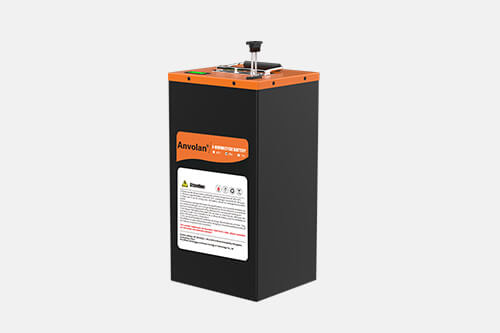
This 48V LiFePO4 battery adopts Grade‑A LiFePO4 cells. Cell consistency is verified through multiple sorting procedures to reduce voltage difference risks from the source and guarantee long‑term stable output of the whole battery pack. The LiFePO4 material features outstanding thermal stability and low risk of thermal runaway. Equipped with a full‑set BMS protection board for over‑charge, over‑discharge, over‑current, short‑circuit, high‑temperature and low‑temperature protection, it effectively avoids various hidden safety hazards during operation and fits long‑term non‑stop working conditions.
Long cycle life is a major highlight of this battery. It delivers 4000‑6000 cycles under standard charge‑discharge conditions, far exceeding the 300‑500 cycles of lead‑acid batteries. Lead‑acid batteries usually need replacement within 1‑3 years, while the 48V LiFePO4 battery can serve 8‑12 years under proper maintenance, greatly cutting replacement frequency and later‑stage maintenance costs. It features a low self‑discharge rate below 3% per month. Most power can be retained after long‑term static storage, making it ideal for backup power and seasonally used devices without frequent supplementary charging.
It maintains a stable discharge platform. With 48V nominal voltage, its working voltage range matches most 48V‑rated equipment. Voltage drop remains slight under high‑current discharge for stable power output of devices. It supports deep discharge over 90%, delivering higher usable capacity. Under the same Ah rating, its actual output power is much higher than lead‑acid batteries. Around 60% lighter than equivalent lead‑acid batteries, it realizes lightweight design for easy handling, installation and equipment refitting, and lowers overall vehicle load.
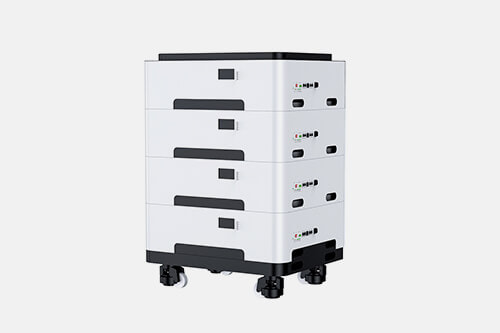
Parallel‑expansion is supported. Multiple battery packs can be connected in parallel to enlarge total capacity and energy‑storage scale, covering single‑unit RV power supply and multi‑parallel household PV energy‑storage systems. The built‑in intelligent BMS monitors cell string voltage, temperature as well as charge‑discharge current in real time, balances voltage among cell strings and restricts voltage difference expansion. It automatically cuts off charge‑discharge loops under abnormal conditions to protect cells. Some versions support Bluetooth communication. Users can check remaining capacity, charge‑discharge status and fault alarms via external devices for fast troubleshooting by maintenance staff.
Compatible with PV controllers, inverters and dedicated Li‑ion chargers. Old‑style lead‑acid chargers are not recommended, as improper charging modes will shorten battery service life. It adapts to wide working environments with normal working temperature from 0℃‑45℃. Low‑temperature versions expand working capability for outdoor cold‑climate applications. Flexible installation modes include vertical and horizontal placement. Wall‑mount, cabinet‑built‑in and vehicle‑mount installation are available to fit base‑station cabinets, RV cabins, energy‑storage cabinets, vehicle chassis and other spaces.
It is eco‑friendly, free of heavy metals such as lead and cadmium, bringing lower pollution during production and scrap disposal and complying with green‑energy‑storage trends. Custom‑capacity service is available. Common specifications cover 48V20Ah, 48V50Ah, 48V100Ah, 48V200Ah. Custom‑solutions for special capacity, housing, terminals and communication interfaces are also provided to meet non‑standard demands from different industries.
When selecting a 48V LiFePO4 battery, do not merely refer to nominal parameters. Cell grade, BMS solution and assembly craft directly determine practical performance. Inferior BMS and Grade‑B cells will cause rapid voltage‑difference increase, severe heat generation and sharp service‑life reduction. We adopt brand‑new Grade‑A cells and standardized PACK processes. Every battery pack undergoes charge‑discharge aging test as well as voltage, internal resistance and protection‑function inspection before delivery to guarantee quality. Whether for upgrading old lead‑acid batteries or supporting new‑project energy‑storage & power systems, this 48V LiFePO4 battery provides reliable and long‑lasting power support.
Be the first to receive our latest news, how-to user guides,
and exclusive deals! Subscribe now.

 Headquarter Address:10F, Building 25, N0. 179 Fengguan, Dongshen Road, Dongguan, Guangdong
 Factory Address:Building 3, Area D, Shengyang Science and Technology Industrial Park, East District of Suichuan County Industrial Park, Ji'an, Jiangxi
 Headquarter Telephone No.:+86 769 2366 8529
Factory Telephone No.:+86 796 6111618
 Contact Person:Kevin Chen
 Email Address:chen@xpower-world.com