Global layout
 +86 769 2366 8529




Time:2026-10-15 Views:44
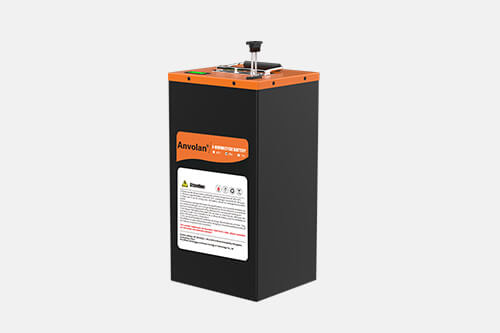
Traditional lead-acid batteries have long occupied a dominant position in various industrial equipment and energy storage applications. As electrical equipment imposes higher requirements on power supply stability, endurance and maintenance costs, more and more users are looking for more reliable alternatives. Battery products using lithium iron phosphate cells are gradually becoming an ideal choice for upgrading lead-acid batteries, thanks to their long cycle life, light weight and stable discharge platform. A 25.8V LiFePO4 lead acid replacement battery designed for a specific voltage platform can directly adapt to the original lead-acid battery usage scenarios and simplify the retrofit process.
Traditional lead-acid batteries are widely used, but they have obvious shortcomings. Lead-acid batteries have low energy density, and under the same capacity their volume and weight are relatively large. Their cycle life is limited, and frequent deep discharge accelerates aging. Charging speed is relatively slow, and self-discharge is evident during long-term storage. For equipment that requires long continuous operation, the maintenance burden of lead-acid batteries is heavy and the replacement cycle is relatively short. In outdoor base stations, electric vehicles, energy storage systems and other scenarios, these characteristics of lead-acid batteries often limit further improvement of equipment performance.
Lithium iron phosphate batteries are an important branch of the lithium-ion battery family. Their cathode uses lithium iron phosphate material, which provides good thermal stability and safety. Compared with lead-acid batteries, lithium iron phosphate batteries have higher energy density, and under the same capacity their weight is significantly reduced, making them easy to carry and install. Their cycle life is greatly improved, and they can complete thousands of charge-discharge cycles under reasonable conditions of use, giving them a better advantage in long-term cost. In addition, lithium iron phosphate batteries support faster charging and have a stable discharge platform. When the load changes, the voltage output is more stable, helping equipment run steadily.
In retrofit projects to replace lead-acid batteries, voltage matching is the primary consideration. Most original systems are designed according to the voltage characteristics of lead-acid batteries, and directly replacing them with batteries of a different voltage platform may cause equipment compatibility issues. A 25.8V LiFePO4 lead acid replacement battery matches the working voltage range of common lead-acid battery combinations, allowing replacement without modifying the original electrical structure and reducing retrofit difficulty. Such products are usually optimized according to lead-acid battery usage habits at the factory, supporting the original charging interface and protection strategy to further improve adaptability.
In the communication base station field, backup power systems place high requirements on battery reliability and life. Base station equipment needs to maintain continuous power supply when the external grid is cut off to ensure uninterrupted communication signals. Traditional lead-acid battery banks are bulky and heavy, limited by installation space, and require frequent maintenance. After switching to a 25.8V LiFePO4 lead acid replacement battery, the overall weight of the equipment decreases, space occupation is reduced, and installation becomes more convenient. The longer cycle life reduces replacement frequency and lowers long-term operation and maintenance costs. Meanwhile, the good thermal stability and strong adaptability of lithium iron phosphate material to high temperature environments make it suitable for complex working conditions such as outdoor cabinets at base stations.
Electric tools and small mobile equipment are also typical application scenarios for this type of battery. Garden machinery, cleaning equipment and electric handling tools often use lead-acid batteries for power supply. Limited by battery weight, it is difficult to balance endurance and maneuverability. After adopting lithium iron phosphate replacement batteries, the whole machine becomes lighter and easier to operate, endurance is improved, charge-discharge efficiency is enhanced, and available working time is extended. The stable discharge platform allows tools to maintain good output even when the battery level drops, improving the operating experience.
In energy storage and solar supporting systems, lithium iron phosphate batteries also show obvious advantages. Off-grid photovoltaic systems and home energy storage devices need batteries to work stably under repeated charge and discharge conditions. Lithium iron phosphate replacement batteries have long cycle life and good tolerance to deep charge and discharge. Combined with solar charging systems, they can form a stable and reliable power supply solution. Their low self-discharge rate means less energy loss during insufficient sunlight or long idle periods, improving overall energy utilization. The 25.8V voltage platform can match common storage inverters and controller interfaces, reducing the complexity of system integration.
During selection, users need to focus on several aspects. First is capacity and endurance requirements, and the appropriate specification should be determined according to equipment power consumption and usage time. Second, check whether the voltage and interface match the original system to ensure plug-and-play operation. At the same time, pay attention to the completeness of the battery management system. Good protection functions can prevent overcharging, over-discharging, overcurrent and other problems and ensure safe use. For outdoor or low-temperature environments, the discharge performance of the battery under low temperature conditions needs to be evaluated. For high-load scenarios, it is necessary to confirm whether the continuous discharge capacity of the battery meets the requirements.
From the cost perspective, the initial purchase price of lithium iron phosphate replacement batteries is usually higher than that of lead-acid batteries. However, considering the longer cycle life, lower maintenance requirements and higher energy efficiency, their total life-cycle cost is often more competitive. For places that require frequent battery replacement, switching to lithium iron phosphate products can significantly reduce later investment and improve overall economic benefits.
With the continuous development of new energy technology and energy storage applications, lithium iron phosphate batteries show broad prospects in replacing lead-acid batteries. The 25.8V LiFePO4 lead acid replacement battery provides a practical upgrade solution for communications, electric equipment, energy storage and other scenarios with its voltage matching, lightweight reliability and long life. Proper selection and standardized use can fully realize battery performance and extend equipment service life, making it a powerful choice for upgrading traditional power supply systems.
Be the first to receive our latest news, how-to user guides,
and exclusive deals! Subscribe now.

 Headquarter Address:10F, Building 25, N0. 179 Fengguan, Dongshen Road, Dongguan, Guangdong
 Factory Address:Building 3, Area D, Shengyang Science and Technology Industrial Park, East District of Suichuan County Industrial Park, Ji'an, Jiangxi
 Headquarter Telephone No.:+86 769 2366 8529
Factory Telephone No.:+86 796 6111618
 Contact Person:Kevin Chen
 Email Address:chen@xpower-world.com