Global layout
 +86 769 2366 8529




Time:2026-04-22 Views:43

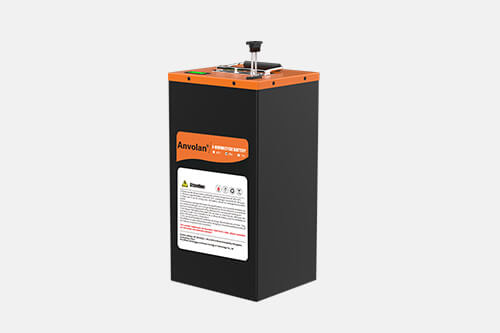
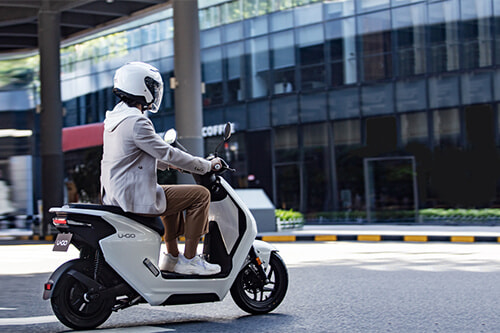
The weight of a Citycoco battery is a critical factor that profoundly influences the scooter’s overall performance, handling, and user experience. Citycoco scooters typically use lithium-ion or lead-acid batteries, with lithium variants weighing around 5–7 kg for a 60V 20Ah pack and lead-acid models weighing 15–20 kg for the same capacity. This weight variance directly alters the scooter’s center of gravity, which is a core determinant of stability and maneuverability. A heavier battery lowers the center of gravity, enhancing stability at high speeds and during turns, making the scooter feel more planted on the road. However, this added weight increases the scooter’s total mass, which strains the motor and reduces acceleration; a 20 kg lead-acid battery can slow 0–30 km/h acceleration by 1–2 seconds compared to a 6 kg lithium equivalent.
Battery weight also significantly impacts the scooter’s range and energy efficiency. Heavier batteries require more power to move, so even a high-capacity lead-acid battery may deliver a shorter real-world range than a lighter lithium battery of the same capacity. For example, a 60V 20Ah lead-acid battery might offer 30–40 km of range, while a lithium battery of the same specs can reach 50–60 km due to lower energy consumption from reduced weight. Additionally, excess weight increases wear on components like tires, brakes, and suspension, as they must work harder to support the heavier load. This can shorten the lifespan of these parts and raise long-term maintenance costs.
Portability is another area heavily affected by battery weight. Many Citycoco models feature removable batteries for convenient charging, but a heavy lead-acid battery (15+ kg) is cumbersome to carry, especially for users with limited strength. In contrast, a lithium battery (5–7 kg) is easily transportable, allowing users to charge it indoors without moving the entire scooter. Weight also impacts the scooter’s load-carrying capacity: a heavier battery leaves less room for the rider and cargo, reducing the scooter’s practicality for daily use. For instance, a scooter with a 20 kg battery may only support a 100 kg rider, while one with a 6 kg battery can accommodate a 120 kg rider comfortably.
Finally, battery weight influences the scooter’s handling in urban environments. Lighter batteries make the scooter more agile, ideal for navigating tight spaces, quick stops, and frequent direction changes—key for city commuting. Heavier batteries, while stable, feel sluggish and less responsive, making it harder to maneuver in traffic or crowded areas. This trade-off means users must prioritize their needs: those seeking stability and long-distance rides may prefer a slightly heavier battery, while urban commuters will benefit from a lightweight lithium battery for better agility and efficiency.
Be the first to receive our latest news, how-to user guides,
and exclusive deals! Subscribe now.

 Headquarter Address:10F, Building 25, N0. 179 Fengguan, Dongshen Road, Dongguan, Guangdong
 Factory Address: Building 3, Area D, Shengyang Science and Technology Industrial Park, East District of Suichuan County Industrial Park, Ji'an City, Jiangxi Province
 Headquarter Telephone No.: +86 769 2366 8529
Factory Telephone No.: +86 796 6111618
 Contact Person:Kevin Chen
 Email Address:chen@xpower-world.com