Global layout
 +86 769 2366 8529




Time:2026-04-15 Views:98

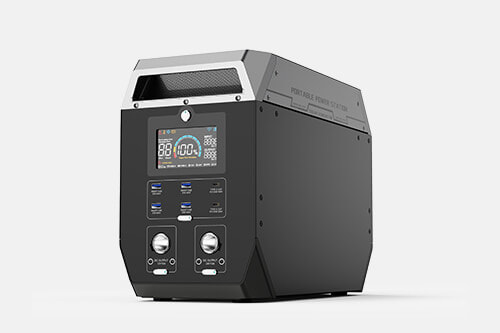
Portable power stations are designed to accommodate a wide range of electronic devices and appliances, which is made possible by their diverse array of output interfaces. Each interface serves a specific purpose, tailored to different power requirements and device compatibility, ensuring versatility across various usage scenarios such as outdoor camping, emergency backup, and off-grid living. The most common output interfaces include AC outlets, USB ports (including USB-A and USB-C), DC ports, and car charger ports, each with distinct specifications and applications that cater to different user needs.
AC outlets are among the most essential interfaces, as they allow portable power stations to power high-wattage devices that require alternating current, such as refrigerators, induction cookers, electric tools, CPAP machines, and small household appliances. These outlets typically provide pure sine wave output, which ensures stable and safe power supply, minimizing the risk of damage to sensitive electronics with motors or transformers. The pure sine wave output maintains a low total harmonic distortion (THD), keeping motors cool and ensuring the normal operation of power supplies for devices like laptops and audio equipment. Some models may offer multiple AC outlets to support simultaneous use of multiple high-power devices, with continuous power ratings ranging from 100W to several kilowatts and surge power ratings that are typically twice the continuous rating to handle the initial power spike of devices like refrigerators or electric tools.
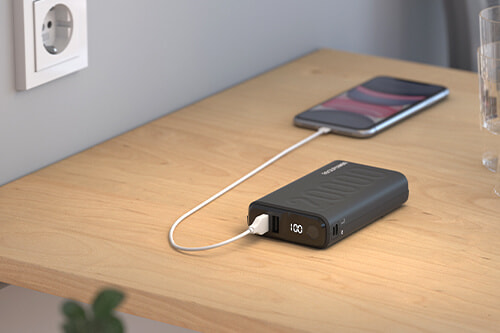
USB ports are another fundamental component, divided into USB-A and USB-C types to meet the needs of modern electronics. USB-A ports are the traditional standard, providing 5V output with typical power ranging from 12W to 18W, suitable for charging smartphones, TWS earbuds, headlamps,sports cameras, and other small low-power devices. Some USB-A ports support fast charging protocols, though the actual charging speed may decrease if the connected device does not support the specific protocol. USB-C ports, particularly those with Power Delivery (PD) technology, offer higher power output, ranging from 60W to 240W depending on the model. PD 3.0 supports up to 100W, while PD 3.1 (EPR) can reach up to 240W with compatible cables and devices, making them ideal for charging laptops, tablets, and even some high-power gadgets like cameras and drones. These ports often feature direct DC-DC conversion, which reduces energy loss compared to AC-powered charging, extending the runtime of the portable power station.
DC ports, including DC barrel jacks (commonly 5521 type) and 12V car outlets, are designed to supply stable direct current to devices that operate on 12V power. DC barrel jacks typically provide regulated 12V output with a current of up to 10A (around 120W), suitable for powering 12V compressor refrigerators, LED light strips, amateur radios, routers, and small pumps. The regulated output ensures that the voltage remains stable even as the battery’s state of charge (SOC) decreases, preventing devices like refrigerators from shutting down due to voltage drops. 12V car outlets, meanwhile, are compatible with car accessories such as car chargers, portable coolers, and inflators, making them convenient for road trips and outdoor activities. It is important to note that DC ports may have different plug sizes and polarities, so users should verify compatibility before use to avoid overheating or damage.
Be the first to receive our latest news, how-to user guides,
and exclusive deals! Subscribe now.

 Headquarter Address:10F, Building 25, N0. 179 Fengguan, Dongshen Road, Dongguan, Guangdong
 Factory Address:Building 3, Area D, Shengyang Science and Technology Industrial Park, East District of Suichuan County Industrial Park, Ji'an, Jiangxi
 Headquarter Telephone No.:+86 769 2366 8529
Factory Telephone No.:+86 796 6111618
 Contact Person:Kevin Chen
 Email Address:chen@xpower-world.com